Specialized physical therapy
What Is Sports Physical Therapy?
Sports physical therapy is a specialized branch of physical therapy focused on injuries related to athletic activity and physical performance. It combines hands-on treatment, targeted exercise, and movement retraining to help you heal properly and return to activity with less risk of re-injury.
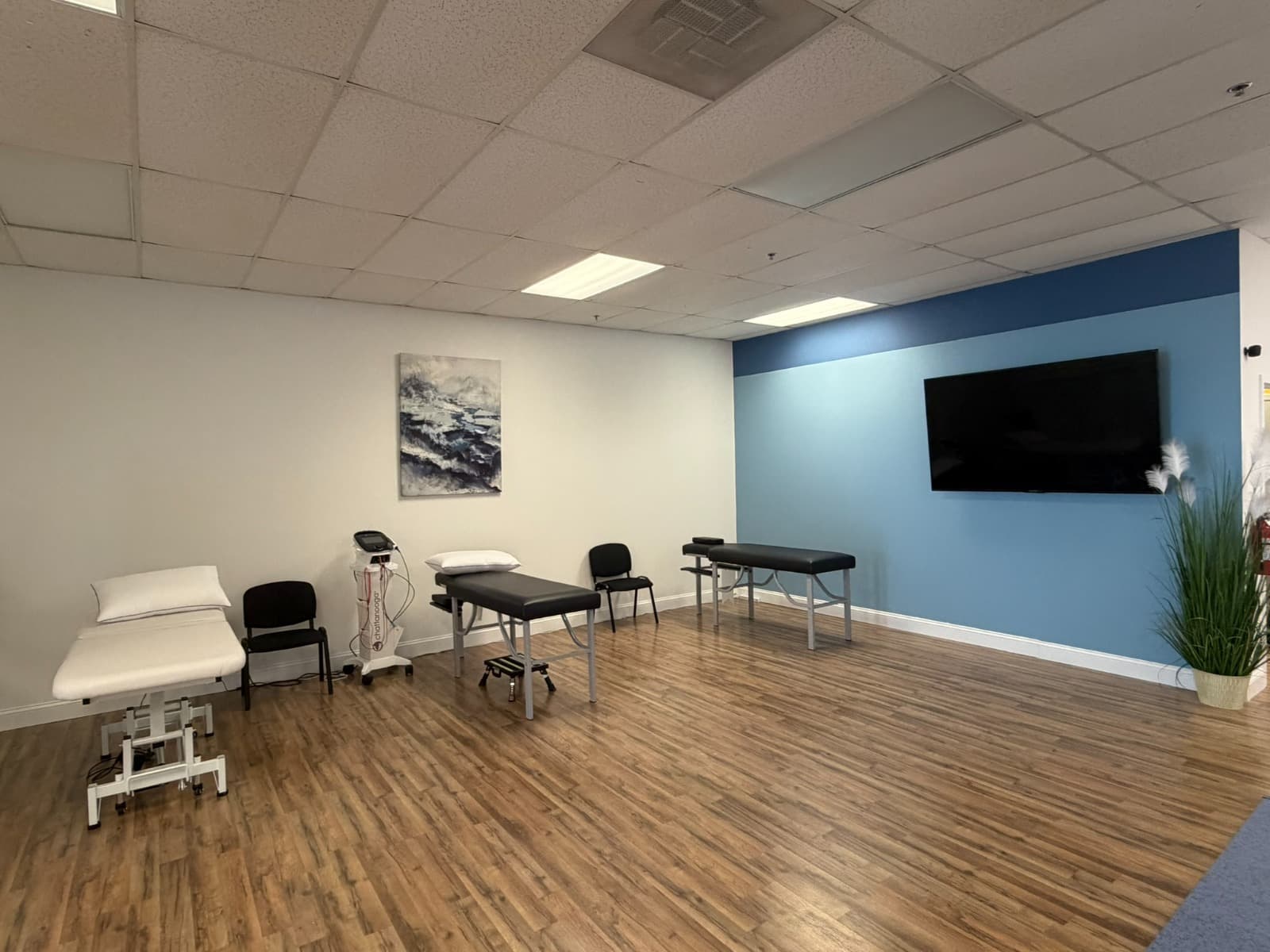
Performance-focused rehabilitation
This type of care benefits a wide range of people. You might be a competitive athlete working toward a specific return-to-play date. You might be someone who runs a few times a week and developed knee pain out of nowhere. Or you might be recovering from a sports-related surgery and need a structured path back to full activity. Sports physical therapy is built for all of these situations.
What sets it apart from general physical therapy is the focus on performance demands. A sports-focused plan doesn't stop once your pain goes away. It also addresses strength, balance, agility, and the specific movements your sport requires, so your body is genuinely ready for the level of activity you're returning to, not just pain-free at rest.
01 / Explore your care
Common Sports Injuries We Treat
Every injury is different, and so is every recovery. Below are some of the sports injuries we regularly help patients work through in Sterling.
ACL injuries: A tear or sprain of the anterior cruciate ligament, often caused by sudden stops, pivots, or awkward landings. ACL rehabilitation is a process, and we guide you through each phase, whether or not surgery is involved.
MCL injuries: Damage to the medial collateral ligament, usually from a direct hit to the outside of the knee. Many MCL injuries respond well to targeted rehabilitation.
Meniscus tears: Tears in the cartilage that cushions the knee joint, common in sports involving twisting or pivoting motions.
Rotator cuff injuries: Strains or tears in the shoulder muscles and tendons, frequently seen in throwing and overhead sports.
Tennis elbow: Pain along the outside of the elbow from repetitive gripping or wrist motion, not limited to tennis players.
Golfer's elbow: Similar to tennis elbow but affecting the inside of the elbow, often linked to repetitive swinging or throwing.
Runner's knee: A general term for pain around the kneecap, often tied to overuse, muscle imbalances, or training changes.
Shin splints: Pain along the shinbone caused by repetitive stress, often from running or a sudden increase in activity.
Achilles tendonitis: Irritation of the Achilles tendon from overuse, common among runners and jumping-sport athletes.
Plantar fasciitis: Heel and arch pain from inflammation of the tissue along the bottom of the foot.
Hamstring strains: Pulls or tears in the back of the thigh, often from sprinting or sudden acceleration.
Groin strains: Strains of the inner thigh muscles, common in sports with quick lateral movement.
Sprained ankle: One of the most common sports injuries, involving stretched or torn ligaments around the ankle.
Shoulder instability: A feeling of looseness or partial dislocation in the shoulder joint, often from repetitive overhead motion.
Concussions: When appropriate and cleared by a physician, we can support the physical therapy portion of concussion recovery, including balance and vestibular-related symptoms.
Hip injuries: including strains, impingement-related pain, and overuse injuries common in running and field sports.
Back pain in athletes: Often related to training load, movement mechanics, or muscle imbalances rather than a single event.
Throwing injuries: Shoulder and elbow issues common in baseball, softball, and other overhead throwing sports.
Overuse injuries: Gradual injuries that build up over time from repetitive stress without adequate recovery.
02 / Explore your care
Signs You May Need Sports Physical Therapy
It's not always obvious when to seek help. Here are some signs worth paying attention to:
- Pain that lingers longer than a few days
- Swelling that doesn't go down
- Noticeable drop in performance or endurance
- A joint that feels unstable or "gives way"
- Weakness that doesn't improve with rest
- An injury that keeps coming back
- Stiffness, especially in the morning or after activity
- Limited range of motion compared to your other side If any of these sound familiar, it's worth having a physical therapist take a closer look before the issue becomes bigger.
03 / Explore your care
Our Sports Physical Therapy Approach
Recovery isn't a straight line, and it isn't one-size-fits-all. Here's generally what the process looks like at Americare Physical Therapy.
- 01
Initial Evaluation
We start by understanding your injury, your history, and your goals, then assess your movement, strength, and mobility.
- 02
Personalized Treatment Plan
Based on the evaluation, we build a plan specific to your injury, sport, and timeline.
- 03
Pain Reduction
Early treatment often focuses on calming pain and inflammation so you can move more comfortably.
- 04
Strength Training
Targeted exercises rebuild the strength lost during injury or inactivity.
- 05
Mobility Restoration
We work to restore full, comfortable range of motion in the affected area.
- 06
Balance Training
Balance and proprioception work helps reduce the risk of re-injury.
- 07
Neuromuscular Re-education
Retraining how your brain and muscles communicate, especially important after ligament injuries.
- 08
Functional Training
Movements that mimic real-life and sport-related demands.
- 09
Sport-Specific Training
Drills tailored to the actual movements of your sport.
- 10
Return-to-Play Testing
Objective measures to help determine whether you're ready to return safely.
- 11
Injury Prevention
Strategies and exercises to reduce the likelihood of the same injury happening again.
04 / Explore your care
Treatments We May Use
Depending on your injury and goals, your treatment plan may include:
- Manual Therapy Hands-on techniques to reduce pain and improve mobility
- Therapeutic Exercise Targeted movement to rebuild strength and function
- Dry Needling If appropriate for your condition, to help with muscle tension and pain
- Joint Mobilization Gentle, hands-on techniques to improve joint movement
- Soft Tissue Mobilization Techniques to address tight or restricted muscle tissue
- Kinesiology Taping Support for muscles and joints during activity and healing
- Balance Training Exercises to improve stability and coordination
- Strength Training Progressive exercises to rebuild muscular support
- Flexibility Exercises To restore comfortable, functional range of motion
- Functional Movement Training Practicing movement patterns relevant to daily life and sport
- Gait Analysis Assessing how you walk or run to identify contributing factors
- Running Assessment A closer look at running mechanics for running-related injuries
- Home Exercise Program A plan you can follow between visits to support progress
05 / Explore your care
Benefits of Sports Physical Therapy
- Reduced pain and inflammation
- Improved strength and stability
- Restored range of motion
- Lower risk of re-injury
- A structured, guided path back to your sport
- Better understanding of your body and how to care for it
- Support in avoiding surgery in some cases
- A plan built around your specific goals, not a generic protocol
06 / Explore your care
Why Choose Americare Physical Therapy?
Choosing a physical therapist is a personal decision, and we understand you want to feel confident in that choice. At Americare Physical Therapy, our approach is built around a few core principles.
We provide evidence-based care, which means our treatment decisions are grounded in current physical therapy research, not guesswork. Every plan is individualized we don't hand out the same exercises to every patient with a similar injury, because no two bodies or sports are exactly alike.
Our experienced therapists take time to explain what's happening in your body and why we're recommending a particular approach. Patient education is a core part of how we work, because understanding your injury helps you take an active role in your own recovery.
We also believe in collaborative care working with your physician, coach, or athletic trainer when needed, and keeping you involved in decisions about your treatment. Sessions are largely one-on-one, giving you focused attention rather than being split across multiple patients at once. We stay current with modern techniques in rehabilitation, and above all, we aim to provide compassionate care that treats you as a person, not just an injury.
07 / Explore your care
What to Expect During Your First Visit
Your first visit is mostly about understanding you and your injury.
We'll start with a conversation about how your injury happened, what symptoms you're experiencing, and what your sport or activity involves. From there, your therapist will perform movement testing checking strength, range of motion, and how your body moves during specific tasks.
We'll talk through your goals, whether that's returning to a specific season, getting through daily activities pain-free, or simply understanding what's wrong. Based on this assessment, we'll begin initial treatment and walk you through a home exercise program to support your progress between visits.
We'll also discuss a general timeline, understanding that recovery can vary depending on the injury, your body, and how consistently you're able to attend sessions and complete home exercises.
08 / Explore your care
Frequently Asked Questions
Do I need a physician referral to start sports physical therapy?
In Virginia, many patients can begin physical therapy without a referral under direct access laws, though some insurance plans may require one. We're happy to help you figure out what applies to your situation.
Will my insurance cover treatment?
Coverage varies by plan. Our team can help verify your benefits before your first visit, so you know what to expect.
How many sessions will I need?
This depends on your injury, its severity, and your goals. Some patients see improvement in a few weeks, while more complex injuries may take longer. We'll give you a clearer picture after your evaluation.
Can I keep playing my sport while in physical therapy?
Sometimes, with modifications. Other times, a short break is needed to protect the injury. Your therapist will guide you based on what's safest for your specific situation.
Can physical therapy help me avoid surgery?
In some cases, yes. Many sports injuries respond well to conservative treatment. However, this depends entirely on the injury and should be discussed with your therapist and physician.
How long does recovery typically take?
Recovery timelines vary widely depending on the type and severity of injury. We'll discuss a realistic timeline with you after your initial evaluation.
When can I return to sports?
We use return-to-play testing and objective progress markers, not just a calendar date, to help determine when you're ready.
What should I wear to my appointment?
Comfortable, athletic clothing that allows easy movement and access to the injured area works best.
Does physical therapy hurt?
Some treatments may cause mild, temporary discomfort, especially early on, but the goal is always to work within a tolerable range not to cause unnecessary pain.
Do you treat young or teenage athletes?
Yes, we work with athletes across a range of ages, adjusting our approach to fit their stage of development and sport.
What if my injury isn't from sports?
That's okay. While we specialize in sports-related injuries, the same evaluation and treatment principles apply to many musculoskeletal conditions.
Do you offer dry needling?
If appropriate for your condition, dry needling may be included as part of your treatment plan. We'll discuss whether it's a good fit for you.
09 / Explore your care
Ready to Get Back to What You Love?
An injury can be frustrating, especially when it keeps you from doing something you care about. You don't have to navigate recovery alone, and you don't have to guess at what your body needs.
Our team at Americare Physical Therapy in Sterling, VA is here to listen, evaluate, and build a plan that fits your injury, your sport, and your life. Reach out today to schedule your evaluation and take the next step toward getting back in the game.