Condition guide
Shoulder Pain Physical Therapy
Shoulder pain can make even simple everyday activities feel difficult. Reaching for something on a shelf, putting on a shirt, sleeping comfortably, lifting an object, or getting back to your favorite exercise can become frustrating when your shoulder is painful or stiff.
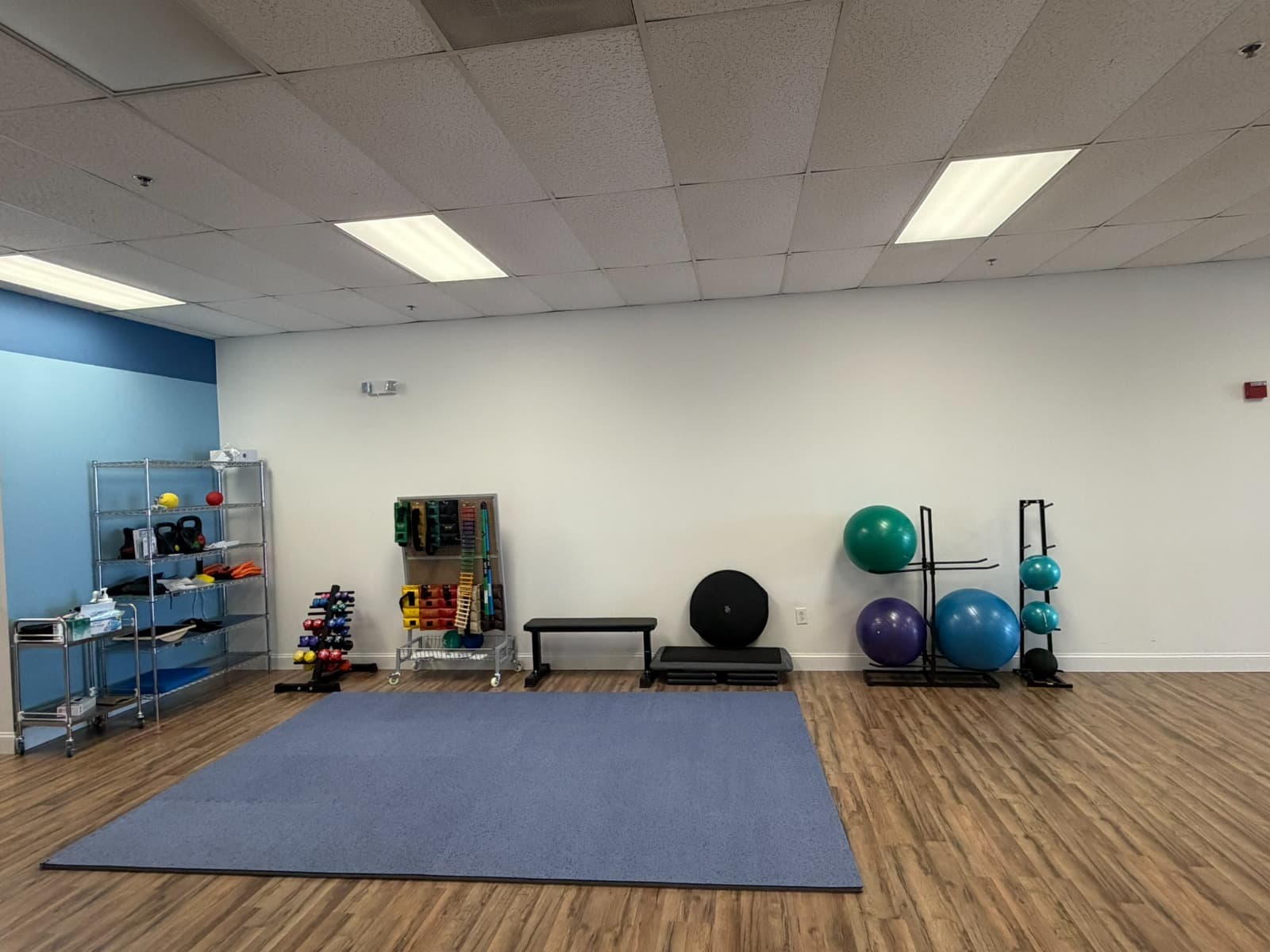
Care centered on your life
Shoulder pain can develop for many different reasons. It may follow an injury, develop from repeated movement, or happen gradually as the shoulder becomes weaker or less mobile. Because every shoulder problem is different, finding the right approach starts with understanding what may be contributing to your symptoms.
Physical therapy can help improve shoulder movement, strength, flexibility, and function while helping you work toward the activities that matter to you. At Americare Physical Therapy in Sterling, VA, treatment is built around your individual needs, symptoms, physical findings, and recovery goals.
01 / Condition care
Understanding Shoulder Pain
Your shoulder is designed to allow a wide range of movement. That flexibility also means the muscles, joints, tendons, and other structures around the shoulder need to work together properly.
When something affects this movement, you may experience pain, stiffness, weakness, or difficulty using your arm normally.
Common causes of shoulder pain include:
- Rotator cuff problems
- Shoulder injuries
- Repetitive or overuse activities
- Muscle weakness
- Reduced shoulder mobility
- Arthritis
- Frozen shoulder
- Sports injuries
- Recovery following surgery
Sometimes shoulder discomfort develops gradually. In other cases, it may begin after a fall, sports injury, lifting something heavy, or another sudden movement.
Understanding the possible cause of your shoulder pain is an important part of choosing an appropriate treatment plan. A physical therapist can assess how your shoulder moves and how strength, flexibility, and movement patterns may be affecting your symptoms.
02 / Condition care
Common Symptoms of Shoulder Pain
Shoulder problems can affect people in different ways. Some people notice pain only during certain movements, while others may experience discomfort throughout the day.
Common symptoms may include:
- Pain when lifting your arm
- Difficulty reaching overhead
- Shoulder stiffness
- Reduced range of motion
- Weakness in the arm or shoulder
- Pain while sleeping
- Difficulty putting on or taking off clothing
- Discomfort while exercising
- Pain that extends into the upper arm
You may also notice that certain activities have become harder than they used to be. For example, reaching behind your back, carrying groceries, washing your hair, or participating in sports may cause discomfort.
If shoulder pain continues to interfere with your daily activities, sleep, work, or exercise, a professional evaluation can help you better understand what may be contributing to the problem.
03 / Condition care
How Physical Therapy Can Help Shoulder Pain
Shoulder pain physical therapy focuses on more than simply trying to make the pain disappear. The goal is to understand how your shoulder is functioning and identify areas that may be contributing to your difficulty with movement.
During an evaluation, a physical therapist may look at:
- Shoulder movement
- Strength
- Flexibility
- Joint mobility
- Posture
- Movement patterns
- Pain levels
- Activities that are difficult for you
Your physical therapist can then develop a treatment plan based on your individual needs and goals.
Physical therapy for shoulder pain may include therapeutic exercises, mobility activities, strengthening, movement training, and education. The specific approach depends on your condition and how your shoulder responds to treatment.
The goal is to help you gradually improve your ability to move and use your shoulder while becoming more confident with everyday activities.
04 / Condition care
What to Expect During Shoulder Pain Physical Therapy
If you have never attended physical therapy before, knowing what to expect can make the experience feel much easier.
Your first visit generally begins with a conversation about your symptoms, your medical history, and the activities that are important to you. Your physical therapist will want to understand when your shoulder pain started, what makes it better or worse, and how it affects your daily life.
A physical assessment may then look at your shoulder movement, strength, flexibility, and overall function.
Based on this evaluation, your therapist can develop a personalized treatment plan. Your sessions may include:
- Therapeutic exercises
- Mobility work
- Strengthening exercises
- Movement retraining
- Education about your condition
- A personalized home exercise program
- Progress monitoring
Your treatment can change as you improve. Exercises and activities may be gradually adjusted to help you safely work toward your personal goals.
05 / Condition care
Shoulder Pain Treatment at Americare Physical Therapy
At Americare Physical Therapy, shoulder pain treatment in Sterling VA is focused on personalized rehabilitation and patient education.
There is no single treatment approach that works for everyone with shoulder pain. Someone recovering from an injury may have different needs from someone dealing with stiffness or weakness that developed over time.
Your treatment plan may include appropriate therapeutic exercises, mobility work, strengthening, movement training, and education based on your evaluation.
The focus is on helping you understand your condition and participate actively in your recovery.
Whether your goal is to return to work, sleep more comfortably, perform everyday activities, return to exercise, or get back to sports, your rehabilitation plan should reflect what you want to accomplish.
06 / Condition care
Shoulder Pain Rehabilitation
Effective shoulder pain rehabilitation is about more than reducing discomfort.
A shoulder may feel better while still lacking the strength, mobility, or control needed for certain activities. That is why rehabilitation can focus on restoring several aspects of shoulder function.
These may include:
- Strength
- Mobility
- Movement quality
- Confidence
- Functional ability
- Ability to perform everyday activities
- Ability to gradually return to exercise or sports
Progress should be appropriate for your individual condition. Trying to return to normal activity too quickly may place unnecessary stress on the shoulder.
A gradual rehabilitation process allows your physical therapist to monitor your progress and adjust your treatment as your abilities change.
07 / Condition care
Shoulder Pain Exercises and Physical Therapy
Exercise can be an important part of shoulder rehabilitation, but the right exercises depend on the individual.
Shoulder pain exercises physical therapy may include different types of movement and strengthening activities depending on your symptoms and evaluation.
Your treatment may involve:
- Range of motion exercises
- Strengthening exercises
- Rotator cuff exercises
- Scapular strengthening
- Postural exercises
- Stretching
- Functional movement exercises
The purpose of these exercises is not simply to make you stronger. They can also help improve movement, flexibility, control, and your ability to perform activities that are important to you. It is important to remember that an exercise that helps one person may not be appropriate for another person with shoulder pain. Your physical therapist can help determine which exercises are appropriate for your condition and how they should be progressed.
08 / Condition care
When Should You See a Physical Therapist for Shoulder Pain?
Not every episode of shoulder discomfort requires physical therapy. However, professional evaluation may be helpful when symptoms continue or begin affecting your normal activities.
Consider speaking with a physical therapist if you are experiencing:
- Shoulder pain that does not improve
- Persistent stiffness
- Difficulty moving your arm
- Shoulder weakness
- Pain that affects your sleep
- Difficulty performing everyday activities
- Pain following an injury
- Difficulty returning to exercise or sports
A physical therapist for shoulder pain can evaluate your movement and help determine an appropriate rehabilitation approach.
If your symptoms followed a significant injury or are accompanied by symptoms that require urgent medical attention, seek appropriate medical care.
09 / Condition care
Why Choose Americare Physical Therapy in Sterling, VA?
Choosing a physical therapy clinic is about more than finding a convenient location. You want to feel understood, supported, and confident in the care you receive.
Americare Physical Therapy focuses on personalized rehabilitation and compassionate patient care. Your treatment should be based on your individual condition rather than a standard routine.
The goal is to help you understand what may be affecting your shoulder, participate in your rehabilitation, and work toward meaningful improvements in your daily function. For people searching for shoulder pain physical therapy Sterling VA, having access to personalized professional guidance can make the rehabilitation process easier to understand and navigate.
Your goals matter throughout the process. Whether you want to move more comfortably, improve your strength, return to exercise, or get back to activities you enjoy, your rehabilitation can be designed around those goals.
10 / Condition care
Frequently Asked Questions About Shoulder Pain
Can physical therapy help shoulder pain?
Physical therapy may help people with many different types of shoulder problems. Treatment can focus on improving movement, strength, flexibility, and function based on your individual evaluation. Your physical therapist can assess your symptoms and determine whether physical therapy is appropriate for your situation.
How long does shoulder pain physical therapy take?
The length of treatment varies from person to person. It can depend on the cause of your shoulder pain, how long you have experienced symptoms, your overall condition, and how you respond to treatment. Your physical therapist can discuss your progress and adjust your rehabilitation plan as needed.
What happens during a shoulder pain physical therapy evaluation?
Your physical therapist will typically discuss your symptoms, medical history, daily activities, and recovery goals. They may assess shoulder movement, strength, flexibility, and function. This information helps your therapist understand your individual needs and develop an appropriate treatment plan.
Can physical therapy help a frozen shoulder?
Physical therapy may be part of treatment for people experiencing a frozen shoulder. Depending on the individual, rehabilitation may focus on gradually improving shoulder mobility, function, and strength. Your physical therapist can evaluate your condition and determine an appropriate approach.
What exercises are used for shoulder pain?
There is no single exercise program for everyone with shoulder pain. Depending on your condition, exercises may focus on mobility, strength, rotator cuff function, scapular control, flexibility, posture, or functional movement. Your physical therapist can recommend exercises based on your individual evaluation.
Should I see a physical therapist after a shoulder injury?
A professional evaluation may be helpful after a shoulder injury, particularly if you have ongoing pain, weakness, stiffness, or difficulty moving your arm. Your physical therapist can assess your movement and help determine whether rehabilitation may be appropriate for your recovery.
Can physical therapy help me return to sports?
Physical therapy can support a gradual return to exercise and sports by working on strength, mobility, movement control, and functional activities. Your rehabilitation should progress according to your condition and goals rather than rushing back to activity before your shoulder is ready.
Does physical therapy hurt?
Some exercises or movements may feel challenging, but treatment should be appropriate for your condition and tolerance. Your physical therapist can modify activities based on how you respond. Communication is important throughout treatment so your therapist understands how you are feeling and can adjust your program when needed.
A personalized next step
Schedule a physical therapy evaluation.
Contact Americare Physical Therapy to discuss your symptoms and whether physical therapy may be appropriate for you.
Schedule an Evaluation