Condition guide

Back Pain Physical Therapy

Living with back pain can affect nearly every part of your day. It can make it harder to sit through a full workday, get comfortable at night, play with your kids, or simply bend down to tie your shoes. Even small movements can start to feel frustrating when your back does not cooperate.

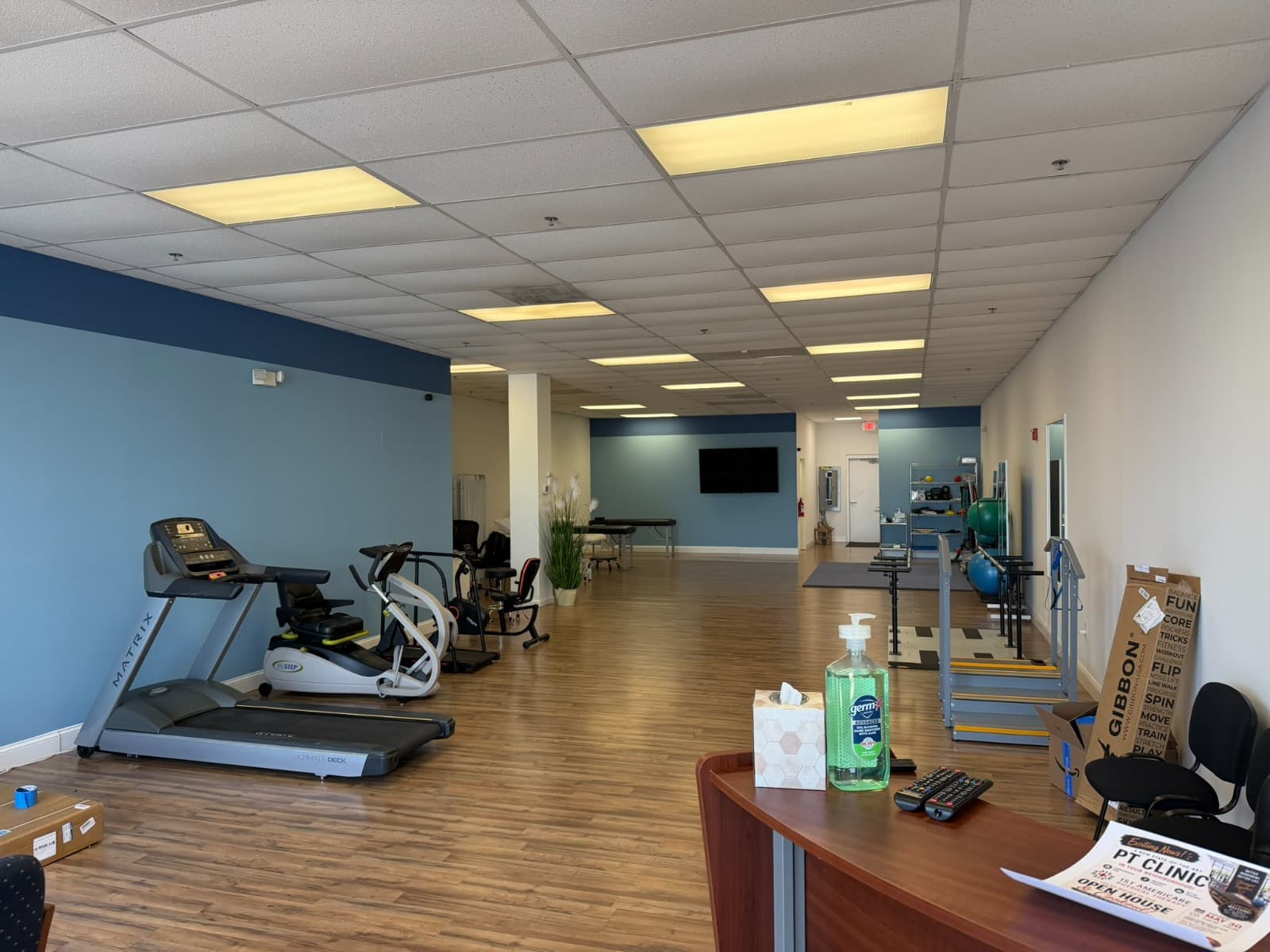
Americare Physical Therapy rehabilitation area

Care centered on your life

At Americare Physical Therapy, we understand how disruptive back pain can be. Our approach to Back Pain Physical Therapy focuses on finding what is contributing to your symptoms, then building a plan to improve your movement, strength, and confidence. Our goal is to help you get back to the activities you care about, whether that is working, exercising, or spending time with family.

If you are dealing with back pain and looking for support in Sterling, Virginia, physical therapy may be able to help you understand your symptoms and move forward with a clear plan.

Understanding your symptoms

Understanding Back Pain

Back pain is a general term that describes discomfort, tightness, or pain anywhere along the spine, from the neck down to the lower back. For many people, the lower back is the area most commonly affected.

No two people experience back pain in the same way. Some people notice a dull ache that builds throughout the day. Others feel a sharp pain with certain movements, like bending or twisting. Some cases come on suddenly after an activity, while others develop slowly over weeks or months.

There are many possible contributors to back pain, including:

  • Muscle strain from overuse or an awkward movement
  • Poor movement patterns during everyday tasks
  • Repetitive activities at work or during exercise
  • A specific injury or accident
  • Joint related irritation in the spine
  • Conditions involving the discs of the spine
  • Postural habits, especially with prolonged sitting
  • General muscle weakness
  • Reduced mobility in the hips or spine

Because the cause of back pain can vary so much from person to person, a thorough evaluation is often the best way to understand what is really going on and what type of treatment approach makes sense for you.

02 / Back pain care

Common Symptoms of Back Pain

Back pain can show up in different ways depending on the person and the underlying cause. Common symptoms include:

  • Lower back pain that comes and goes or stays constant
  • Stiffness, especially in the morning or after sitting for a while
  • Muscle tightness across the back or hips
  • Difficulty bending forward or reaching down
  • Discomfort with standing for long periods
  • Pain that increases with prolonged sitting
  • Pain or strain when lifting objects
  • Reduced ability to move freely or comfortably
  • Pain that travels into the buttocks or down the legs

Symptoms can range from mild discomfort that is easy to ignore to pain that makes it difficult to complete normal daily activities. If any of these symptoms sound familiar, an evaluation can help clarify what is happening and what steps may help.

03 / Back pain care

When Should You Consider Physical Therapy for Back Pain?

There is no single moment when someone should decide to see a physical therapist. Instead, it often comes down to how much your symptoms are affecting your life. You may want to consider physical therapy if you are experiencing:

  • Pain that has lasted more than a few days or weeks
  • Back pain that keeps returning even after it seems to improve
  • Trouble completing normal daily tasks because of pain
  • Pain that began after a fall, lifting injury, or accident
  • Noticeable weakness in your back, hips, or legs
  • Limited mobility when bending, twisting, or reaching
  • Pain that interferes with exercise, sports, or work duties
  • Difficulty getting back to your usual routine after an injury

04 / Back pain care

How Physical Therapy Helps With Back Pain

Physical Therapy for Back Pain is built around one central idea. Movement, strength, and mobility all play a role in how your back feels and functions. Rather than focusing only on the painful area, a physical therapist looks at your whole body, including how you move, how strong your supporting muscles are, and what daily habits might be contributing to your symptoms.

Physical Therapy for Lower Back Pain often includes a combination of guided exercise, hands on techniques, and education about movement. The goal is to help your spine and surrounding muscles work together more efficiently, reduce strain on irritated tissues, and gradually rebuild your tolerance for the activities you want to get back to.

No two treatment plans look exactly alike. Lower Back Pain Physical Therapy is most effective when it reflects your specific symptoms, goals, and lifestyle rather than following a generic template.

Personalized treatment

Our Back Pain Physical Therapy Approach

01

Evaluation and Assessment

Your first visit typically includes a detailed assessment of your movement, strength, flexibility, posture, balance, and overall function. Your physical therapist will look closely at how your back moves and how the rest of your body supports it, including your hips, core, and legs.

02

Personalized Treatment Plan

Based on your evaluation, your therapist will build a treatment plan tailored to your symptoms, daily activities, and personal goals. Whether you want to return to a physically demanding job, get back to running, or simply move through your day without discomfort, your plan will reflect what matters most to you.

03

Therapeutic Exercise

Exercise is often a central part of back pain treatment. This may include strengthening exercises for your core and hips, mobility work for your spine, flexibility exercises for tight muscles, and stability exercises to support better control during movement.

04

Manual Therapy

When appropriate, your therapist may use manual techniques such as soft tissue work or gentle joint mobilization. These techniques can support improved mobility and help reduce discomfort, especially when combined with active exercise.

05

Movement and Body Mechanics

A large part of physical therapy involves learning how to move more efficiently. Your therapist can help you improve the way you lift, sit, stand, and perform daily tasks so you are placing less unnecessary strain on your back.

06

Progress Tracking

As you move through treatment, your therapist will monitor your progress and adjust your plan as needed. This ensures your program continues to match your current abilities and goals as you improve.

06 / Back pain care

Exercises for Lower Back Pain

Exercises for Lower Back Pain are most effective when they are selected based on your individual condition and the findings from your physical therapy evaluation. What helps one person may not be appropriate for another, which is why a personalized approach matters. Depending on your needs, your program may include categories such as:

  • Mobility exercises for the spine and hips
  • Core strengthening to support the lower back
  • Hip strengthening to reduce strain on the spine
  • Flexibility exercises for tight muscles
  • Postural exercises to support better alignment
  • Stability exercises to improve control during movement

Because everyone's back pain is different, it is best to perform exercises under professional guidance, especially if you are dealing with pain or a recent injury.

07 / Back pain care

Conditions That May Contribute to Back Pain

Several common situations are often associated with back pain, including:

  • Muscle strains from lifting or sudden movement
  • Conditions involving the discs of the spine
  • Sciatica, which can cause pain that travels down the leg
  • Poor movement mechanics during work or exercise
  • Sports related injuries
  • Postural issues from prolonged sitting or standing
  • General muscle weakness
  • Repetitive strain from daily activities
  • Changes related to aging

Physical therapy can support recovery and improved function for many of these situations, though it is not intended to serve as a cure for every underlying medical condition. Your therapist can help you understand how your specific situation may respond to treatment.

08 / Back pain care

Benefits of Back Pain Rehabilitation

Back Pain Rehabilitation is designed to support long term improvement rather than a temporary fix. While results vary from person to person, physical therapy may help with:

  • Improved mobility throughout the spine and hips
  • Better overall strength
  • Greater flexibility in tight or restricted areas
  • Improved movement quality during daily tasks
  • Better tolerance for sitting, standing, and lifting
  • Improved confidence with movement
  • Support for returning to exercise or sports
  • Reduced dependence on passive treatments when appropriate
  • A better understanding of how to manage symptoms if they return

09 / Back pain care

Why Choose a Physical Therapist for Back Pain?

Working with a Physical Therapist for Back Pain offers the benefit of an individualized approach built around your specific movement patterns and goals.

Rather than a one size fits all program, physical therapy is based on ongoing assessment, evidence based treatment methods, and consistent progress monitoring.

Physical therapists also focus on education, helping you understand what may be contributing to your pain and how you can support your own recovery. Treatment is guided by your functional goals, whether that means returning to work duties, getting back into a fitness routine, or simply moving through your day more comfortably.

10 / Back pain care

What to Expect During Your First Back Pain Physical Therapy Visit

Your first visit is designed to give your therapist a clear picture of your symptoms and your goals. You can typically expect:

  1. 01A conversation about your symptoms and how they developed
  2. 02A review of your medical history and current activity level
  3. 03A physical assessment of your movement, strength, and flexibility
  4. 04A functional movement evaluation
  5. 05A discussion of your personal goals for treatment
  6. 06Initial treatment recommendations
  7. 07Home exercises, if appropriate for your situation
  8. 08Time to ask questions and share any concerns

This visit is a collaborative starting point. Your therapist wants to understand your experience so the plan you build together actually fits your life.

11 / Back pain care

Why Choose Back Pain Physical Therapy in Sterling, VA?

If you are searching for Back Pain Physical Therapy Sterling VA, Americare Physical Therapy offers convenient, personalized care for residents throughout Sterling and the surrounding Northern Virginia area.

We focus on understanding your individual symptoms, building a treatment plan around your goals, and helping you move through recovery with clear communication along the way.

Our approach centers on patient education and functional progress, so you not only feel better during treatment but also understand how to support your back health going forward. We are here to help you return to the activities that matter most to you, close to home.

12 / Back pain care

Frequently Asked Questions

Can physical therapy help with back pain?

Physical therapy can often help identify contributing factors to back pain and provide a structured plan to improve movement, strength, and function. While results vary by individual, many people find that a personalized program helps them manage symptoms and return to daily activities more comfortably.

How does physical therapy treat lower back pain?

Treatment often combines therapeutic exercise, movement education, and manual therapy when appropriate. Your physical therapist evaluates your specific symptoms and movement patterns, then builds a plan aimed at improving strength, mobility, and overall function in your lower back.

How long does physical therapy for back pain take?

The length of treatment depends on factors like the cause of your pain, how long you have had symptoms, and your individual goals. Your therapist will discuss an estimated timeline after your evaluation and adjust your plan as you progress.

What happens during a physical therapy evaluation for back pain?

Your evaluation typically includes a discussion of your symptoms, a review of your activity and medical history, and a physical assessment of your movement, strength, posture, and flexibility. This information helps your therapist build a plan suited to your needs.

What exercises are used for lower back pain?

Exercises are selected based on your individual evaluation and may include mobility work, core and hip strengthening, flexibility exercises, and stability training. Your therapist will guide you through exercises appropriate for your specific condition.

Do I need a referral for physical therapy in Virginia?

Virginia allows direct access to physical therapy in many cases, meaning a referral is not always required. However, insurance requirements can vary, so it is a good idea to check with your provider or contact our clinic for guidance.

Can physical therapy help chronic back pain?

Physical therapy can be a valuable part of managing chronic back pain by addressing movement patterns, strength, and mobility over time. Your therapist will work with you to build a plan focused on gradual, sustainable improvement.

Should I see a physical therapist for back pain?

If your back pain is affecting your daily activities, work, or exercise routine, a physical therapy evaluation can help you understand what may be contributing to your symptoms and what treatment options are available.

Can physical therapy help me return to exercise after back pain?

Yes, physical therapy often includes a gradual return to activity, helping you rebuild strength and confidence so you can get back to exercise or sports in a way that supports your recovery.

Take the Next Step Toward Relief

You do not have to navigate back pain on your own. Understanding what is contributing to your symptoms is often the first step toward meaningful Back Pain Treatment and lasting improvement. Our team at Americare Physical Therapy is here to help you build a personalized plan focused on reducing your pain and restoring the movement you need for daily life.

If back pain is holding you back, reach out today to schedule an evaluation and take the first step toward feeling like yourself again.

Schedule an Evaluation