Post Surgical Rehabilitation

Getting Back to Your Life After Surgery

Surgery is often just the first step toward feeling like yourself again. What happens in the weeks and months afterward matters just as much as the procedure itself. That's where post-surgical rehabilitation comes in. It's the guided process that helps your body heal properly, regain strength, and relearn the movements you rely on every day.

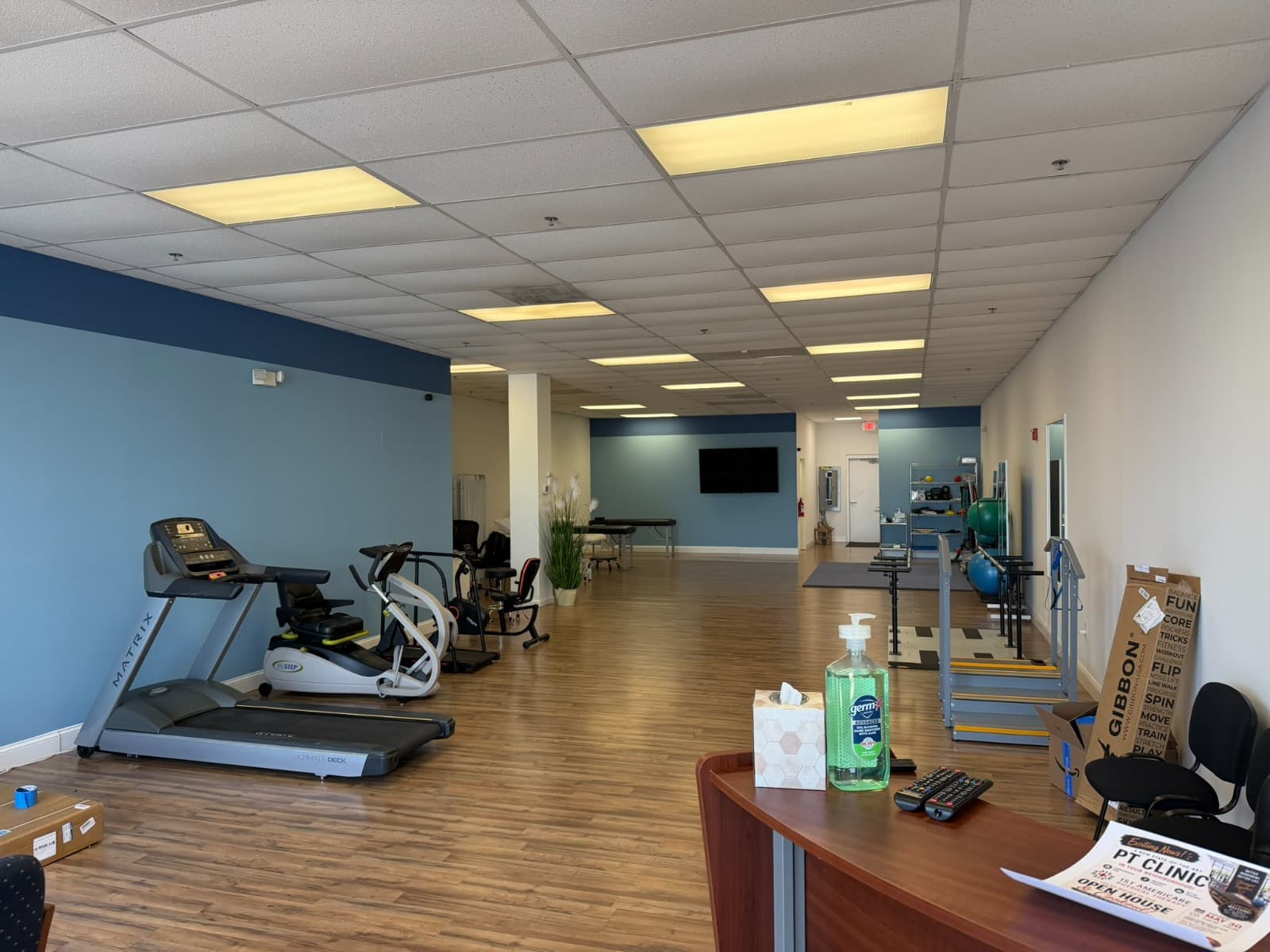
Americare Physical Therapy treatment space

If you're in Sterling or anywhere nearby, you've probably noticed that no two recoveries look the same. Some patients are back on their feet within days. Others need a slower, more careful approach. Age, the type of surgery, your general health, and even your personal goals all play a role in how your body responds. That's exactly why we don't hand out cookie-cutter exercise sheets here.

At Americare Physical Therapy, our team sits down with you, listens to your concerns, and builds a rehabilitation plan around your specific surgery and your specific life. Whether you're hoping to walk without pain, get back to gardening, or return to competitive sports, we start where you are and work toward where you want to be.

01 / Guided recovery

What Is Post-Surgical Rehabilitation?

Post-surgical rehabilitation is a personalized physical therapy program designed to help you recover safely and effectively after surgery. While surgery repairs or reconstructs the affected area, rehabilitation focuses on restoring your body's ability to move, function, and perform everyday activities with confidence.

Rehabilitation typically begins once your surgeon determines it is safe for you to start moving. From there, your recovery progresses through carefully planned stages, each designed to support healing while gradually improving your strength, mobility, and overall function.

These stages often include:

  • Managing post-operative pain and swelling
  • Restoring joint flexibility and range of motion
  • Rebuilding muscle strength and endurance
  • Improving balance, coordination, and stability
  • Correcting movement patterns
  • Helping you safely return to work, sports, and daily activities

It's important to remember that surgery repairs the structure, but rehabilitation restores the function.

For example, a knee replacement may successfully restore the damaged joint, or an ACL reconstruction may repair a torn ligament. However, without guided rehabilitation, the surrounding muscles may remain weak, scar tissue can restrict movement, and everyday activities such as walking, climbing stairs, or returning to sports may continue to feel difficult.

Physical therapy helps bridge the gap between surgical healing and functional recovery. Through a structured, individualized rehabilitation program, your physical therapist guides you through each phase of recovery, ensuring your body heals safely while gradually regaining strength, flexibility, and mobility.

Research has consistently shown that patients who begin appropriate, therapist-guided rehabilitation soon after surgery and actively participate in their recovery often experience better outcomes than those who delay therapy or attempt rehabilitation on their own. Early, carefully supervised movement can help reduce stiffness, minimize muscle loss, improve circulation, support tissue healing, and promote a more predictable recovery.

At Americare Physical Therapy, every rehabilitation program is tailored to your specific surgical procedure, your surgeon's recommendations, your current level of function, and your personal recovery goals. Our experienced physical therapists carefully monitor your progress during every session, advancing your treatment at the right pace to challenge your body safely while avoiding unnecessary strain on healing tissues.

Our goal is not simply to help you recover from surgery, but to help you return to the activities, work, sports, and lifestyle you enjoy with greater confidence, strength, and independence.
02 / Guided recovery

Who Can Benefit from Post Surgical Rehabilitation?

Almost anyone who has undergone an operation involving muscles, joints, bones, or connective tissue can benefit from a structured rehabilitation plan. We regularly work with patients recovering from:

  • Knee replacement surgery
  • Hip replacement surgery
  • ACL reconstruction and other ligament repairs
  • Rotator cuff repair
  • Shoulder surgery, including labral repairs
  • Spinal surgery, including fusions and disc procedures
  • Fracture repair and orthopedic trauma surgery
  • Foot and ankle surgery
  • General orthopedic procedures

We also see athletes who need a careful return to sport plan, older adults working to preserve independence, and people whose jobs require them to get back to physical work as safely and quickly as possible.

03 / Guided recovery

Our Post Surgery Physical Therapy Process

Every rehabilitation plan we build follows a logical progression, though the pace and details are adjusted for each patient.

Initial Assessment

Your first visit includes a thorough evaluation of your surgical history, current pain levels, range of motion, and overall strength. We also talk with you about your goals, whether that's climbing stairs without discomfort or returning to a weekend hobby.

Pain Management

In the early stages, we focus on reducing pain and swelling using techniques like manual therapy, gentle movement, and modalities suited to your specific procedure.

Restoring Mobility

Once acute pain is under control, we work on regaining joint range of motion. Scar tissue and stiffness are common after surgery, and gentle, progressive stretching helps prevent long-term limitations.

Improving Strength

As mobility improves, we introduce targeted strengthening exercises for the muscles surrounding the surgical site, along with supporting muscle groups that may have weakened during recovery.

Balance Training

For lower body surgeries especially, balance and proprioception work helps reduce fall risk and rebuilds confidence in everyday movement.

Functional Movement

We shift focus toward the tasks that matter most in your daily life, such as walking, bending, lifting, or climbing stairs, making sure your body can handle real-world demands.

Return to Work

For patients whose jobs involve physical labor, we design a plan that safely rebuilds the strength and endurance needed for your specific occupation.

Return to Sports

Athletes go through sport-specific drills and progressive loading to make sure the body is ready for the demands of competition, not just everyday life.

Long Term Prevention

Before discharge, we make sure you understand how to maintain your progress and reduce the risk of re-injury going forward.

04 / Guided recovery

Conditions and Procedures We Treat

Our therapists have experience guiding recovery for a wide range of surgical procedures, including:

  • Total and partial knee replacement, focusing on regaining full extension, flexion, and walking mechanics
  • Total hip replacement, with attention to hip precautions and safe progression of weight bearing
  • ACL and other ligament reconstruction, rebuilding stability and confidence for return to sport
  • Rotator cuff repair, protecting the healing tendon while restoring shoulder mobility and strength
  • Shoulder stabilization surgery, addressing both mobility and long-term joint stability
  • Spinal fusion and disc surgery, with careful, guideline-based progression of activity
  • Fracture repair, including plates, screws, and rods, restoring strength and function around the injury site
  • Foot and ankle surgery, addressing gait, balance, and return to standing or walking activities
  • General orthopedic procedures, tailored to whatever your surgeon has repaired

If you don't see your specific procedure listed here, reach out. Our physical therapists have experience across a broad range of surgical recoveries.

05 / Guided recovery

Benefits of Physical Therapy After Surgery

Committing to a structured rehabilitation plan offers real, measurable advantages:

  • Faster and more predictable return of strength and mobility
  • Reduced risk of stiffness and scar tissue limiting movement
  • Lower risk of complications such as blood clots from prolonged inactivity
  • Better pain control without over-relying on medication
  • Improved balance and reduced fall risk, especially for older adults
  • Greater confidence in moving your body again
  • A safer, more structured path back to work or sport
  • Long-term prevention strategies to protect your results

06 / Guided recovery

Why Choose Americare Physical Therapy for Post Surgical Rehabilitation?

Choosing the right clinic for your recovery matters. Here's what sets our approach apart.

Experienced Therapists

Our team has years of hands-on experience guiding patients through orthopedic and surgical recovery, from routine procedures to complex cases.

One-on-One Care

You work directly with your therapist during each session, not passed between aides or left to complete exercises unsupervised.

Personalized Treatment Plans

Your rehabilitation plan is built around your surgery, your body, and your goals, not a standard template.

Evidence-Based Rehabilitation

Our treatment approaches are grounded in accepted clinical guidelines for orthopedic recovery, adjusted to fit your individual response to therapy.

Modern Equipment

Our clinic is equipped with the tools needed to support every phase of recovery, from early mobility work to advanced strength and sport-specific training.

Patient Education

We explain what's happening in your body at each stage of healing, so you understand why each exercise matters.

Compassionate Care

Recovery can be frustrating and uncomfortable at times. Our team is here to support you, answer questions, and adjust your plan as needed.

Convenient Appointments

We offer scheduling options designed to fit around your life, with a location that's convenient for patients throughout Sterling and the surrounding area.

Insurance Assistance

Our staff can help you understand your coverage and answer questions about what your plan includes.

07 / Guided recovery

Post Surgical Rehab Near Me: Serving Northern Virginia

If you've been searching for post surgical rehab near me, our Sterling clinic serves patients throughout Northern Virginia, including Ashburn, Herndon, Reston, and Leesburg. We understand that recovering from surgery is easier when your rehabilitation clinic is close to home, with a team that feels like an extension of your own care. Patients throughout the region choose us because we combine hospital-level clinical standards with the personal attention of a neighborhood practice.

08 / Guided recovery

Frequently Asked Questions

When should I start physical therapy after surgery?

This depends on your procedure and your surgeon's specific instructions. Many patients begin therapy within days to a couple of weeks after surgery. Always follow your surgeon's clearance before starting.

How many therapy sessions will I need?

The total number of sessions varies based on the type of surgery, your starting condition, and how your body responds to treatment. Your therapist will give you a general timeline after your initial evaluation.

Will physical therapy hurt?

Some discomfort is normal, especially early on, but therapy should never cause sharp or severe pain. Our therapists carefully adjust intensity to keep you challenged without setting back your healing.

Can physical therapy reduce scar tissue?

Yes. Manual therapy techniques and targeted movement can help improve the flexibility of scar tissue and reduce its impact on your range of motion.

How long does recovery take?

Recovery timelines vary widely depending on the surgery and the individual. Some patients see significant improvement within a few weeks, while others, particularly after joint replacement or spinal surgery, may need several months of consistent rehabilitation.

Does insurance cover therapy?

Most insurance plans include coverage for physical therapy after surgery, though the details depend on your specific policy. Our staff can help verify your benefits before you begin treatment.

What should I bring to my first appointment?

Bring your surgeon's notes or discharge paperwork if available, a list of current medications, comfortable clothing, and any questions you have about your recovery.

Can I drive after surgery?

This depends on your procedure, your pain levels, and your surgeon's guidance. Many patients need to wait until they're off pain medication and have regained enough strength and range of motion to drive safely.

When can I return to sports?

Return to sport timelines depend heavily on the type of surgery and how your rehabilitation progresses. Athletes typically go through specific strength and movement testing before we clear them for a full return to competition.

What happens if I skip rehabilitation?

Skipping structured rehabilitation can lead to lingering stiffness, weakness, poor movement patterns, and a higher chance of reinjury. Even patients who feel fine early on often benefit from professional guidance to fully restore function.

09 / Guided recovery

Schedule Your Post Surgical Rehabilitation Appointment Today

Your surgery was an important step. Your recovery is the next one, and you don't have to figure it out on your own. Our physical therapists are ready to build a rehabilitation plan around your specific procedure and your personal goals, right here in Sterling, Virginia.

Call our clinic today to schedule your evaluation, or reach out to ask about insurance coverage for your treatment. Whether you're recovering from joint replacement, ligament repair, spinal surgery, or another procedure, our team is here to help you move forward with confidence.