Condition guide
Knee Pain Treatment in Sterling, VA
Personalized Physical Therapy to Reduce Knee Pain, Restore Movement, and Help You Get Back to the Activities You Enjoy
Knee pain can make everyday activities surprisingly difficult. Walking through a grocery store, climbing stairs, getting out of a chair, getting in and out of your car, kneeling to work in the garden, or simply taking a morning walk can become uncomfortable when your knee is not functioning properly.
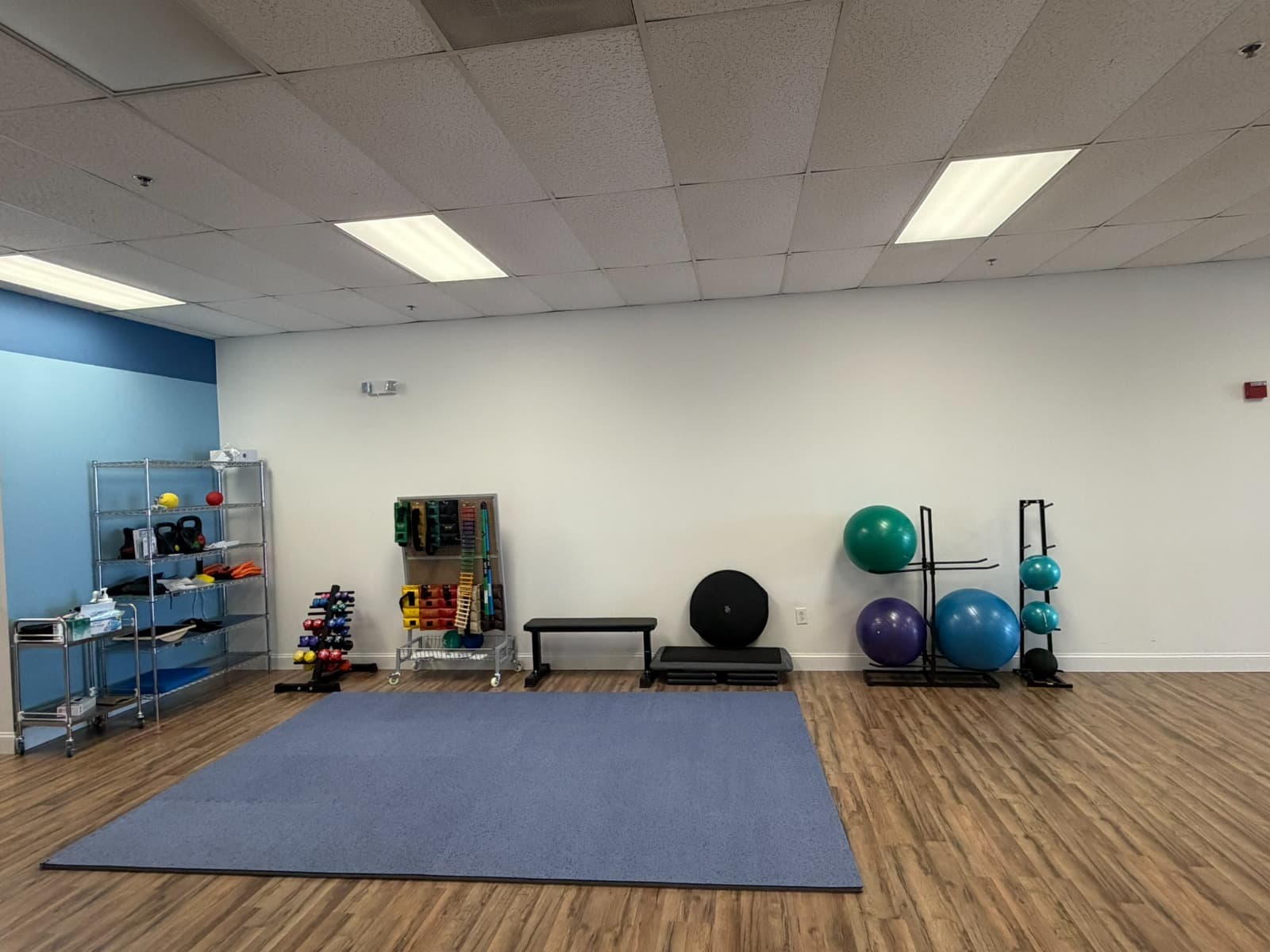
Care centered on your life
Sometimes knee pain begins suddenly after an injury. In other cases, it develops gradually over months or years. You may notice occasional stiffness at first, followed by increasing discomfort during stairs, squatting, walking, or prolonged standing.
Knee pain can affect people of all ages. It may be related to muscle weakness, joint stiffness, arthritis, tendon irritation, bursitis, an injury, changes in movement mechanics, or other conditions affecting the knee and surrounding structures.
Importantly, knee pain does not automatically mean you need surgery. Many knee problems can be managed initially with conservative care, including physical therapy, exercise, activity modification, and patient education. For knee osteoarthritis specifically, AAOS and other clinical guidelines support exercise-based and other non-surgical approaches for appropriate patients.
At Americare Physical Therapy, our goal is to understand what is contributing to your knee pain and develop an individualized rehabilitation program designed around your symptoms, physical abilities, lifestyle, and goals.
Our physical therapy clinic is located in Sterling, Virginia, and we proudly serve patients from Sterling and surrounding Northern Virginia communities, including Ashburn, Herndon, Reston, Leesburg, Potomac Falls, Cascades, Countryside, and Dulles.
Whether your knee pain is associated with arthritis, stiffness, weakness, an overuse problem, a previous injury, or another musculoskeletal condition, a comprehensive physical therapy evaluation can help determine whether rehabilitation is appropriate for you.
01 / Condition care
What Is Knee Pain?
Knee pain refers to discomfort, soreness, stiffness, or other unpleasant sensations occurring in or around the knee joint.
The knee is one of the largest and most complex joints in the body. Three bones viz the femur (thighbone), tibia (shinbone), and patella (kneecap) work together with cartilage, menisci, ligaments, tendons, muscles, and other tissues to allow the knee to move and support your body. Your knees perform an enormous amount of work every day.
They help you:
- Walk
- Stand
- Sit down
- Stand up
- Climb stairs
- Squat
- Bend
- Turn
- Run
- Jump
- Change direction
- Support your body weight
Because the knee is involved in so many movements, problems in the joint or surrounding tissues can have a significant effect on your quality of life. Knee pain can occur:
- In the front of the knee
- Behind the kneecap
- Along the inside of the knee
- Along the outside of the knee
- Behind the knee
- Around the entire joint
The location of the pain, what triggers it, how long it has been present, and whether other symptoms are occurring can all help a healthcare professional understand what may be contributing to it.
02 / Condition care
Common Symptoms of Knee Pain
Knee problems can produce different symptoms depending on their underlying cause. You may experience:
- Aching knee pain
- Sharp pain during movement
- Knee stiffness
- Swelling
- Tenderness
- Difficulty bending the knee
- Difficulty fully straightening the knee
- Pain when climbing stairs
- Pain when squatting
- Pain after prolonged sitting
- Pain while walking
- Difficulty standing for long periods
- A feeling of weakness
- A feeling that the knee may give way
- Clicking or popping
- Reduced range of motion
- Difficulty getting up from a chair
- Difficulty kneeling
- Pain after physical activity
- Morning stiffness
Some people experience symptoms only during specific activities, while others have discomfort even during ordinary daily movement.
03 / Condition care
What Causes Knee Pain?
Knee pain can develop for many different reasons. Sometimes there is a clear injury or event. Other times, symptoms gradually develop because of changes in the joint, reduced strength, repetitive stress, or a combination of several factors.
Understanding the potential source of your symptoms is important because the appropriate treatment for knee pain depends on the underlying problem.
04 / Condition care
Knee Osteoarthritis
Osteoarthritis is one of the most common causes of persistent knee pain, particularly in middle-aged and older adults.
The knee contains smooth articular cartilage that helps the joint surfaces move against one another with minimal friction.
With osteoarthritis, the tissues within the joint undergo structural changes over time. Symptoms may include:
- Pain with activity
- Stiffness
- Swelling
- Reduced mobility
- Difficulty walking
- Difficulty climbing stairs
- Pain after prolonged sitting
- Reduced physical activity
Risk factors associated with knee osteoarthritis include increasing age, previous knee injury or surgery, excess body weight, and genetic factors. AAOS notes that osteoarthritis becomes more common with age and that previous injury, obesity, sex, and genetics are among associated risk factors. Importantly, having arthritis on an X-ray does not necessarily mean you will have severe pain.
Imaging findings need to be considered alongside your symptoms and physical function.
05 / Condition care
Patellofemoral Pain
Patellofemoral pain refers to pain around or behind the kneecap. It is often aggravated by activities that place increased demand on the knee, such as:
- Squatting
- Going up or down stairs
- Running
- Jumping
- Repeated bending
- Sitting for prolonged periods
APTA's clinical summary describes patellofemoral pain as typically involving anterior, retropatellar, or peripatellar knee pain and notes that symptoms may increase with activities such as squatting, stairs, running, jumping, and prolonged sitting.
Physical therapy may address strength, movement coordination, mobility, activity tolerance, and other contributing factors.
06 / Condition care
Tendon-Related Knee Pain
Tendons connect muscles to bones and help transfer force during movement.
Irritation or overuse of a tendon around the knee can cause localized pain, particularly during activities that repeatedly load the tendon. Depending on the tendon involved, pain may occur:
- Below the kneecap
- Around the front of the knee
- Near the inner or outer knee
Treatment depends on the specific tendon problem and may include appropriately progressed strengthening, activity modification, movement training, and gradual return to normal activity.
07 / Condition care
Knee Bursitis
Bursae are small fluid-filled sacs that help reduce friction between tissues.
When a bursa becomes irritated, it can cause localized pain and swelling. Knee bursitis may develop after:
- Repeated kneeling
- Direct pressure
- Repetitive activity
- Trauma
- Inflammation
Treatment depends on the cause and severity of the condition.
08 / Condition care
Meniscus Problems
The menisci are two crescent-shaped pieces of cartilage located between the femur and tibia. They help distribute loads and contribute to the stability and function of the knee.
A meniscus can become damaged during an injury or undergo degenerative changes over time. Symptoms may include:
- Knee pain
- Swelling
- Difficulty bending or straightening the knee
- Clicking
- Catching
- A sensation of locking
- Pain with twisting
Not every meniscus problem requires surgery. The appropriate treatment depends on the type of injury, symptoms, age, activity level, examination findings, and other factors.
09 / Condition care
Muscle Weakness and Knee Pain
The knee does not work in isolation. The muscles around the hip, thigh, lower leg, and trunk all contribute to how forces are distributed through the lower extremity.
Weakness can make everyday activities more challenging and may affect movement patterns. Physical therapy can assess strength and functional movement and develop an individualized strengthening program when appropriate.
10 / Condition care
Joint Stiffness
Sometimes the primary problem is not severe pain but a gradual loss of knee movement. You may notice difficulty:
- Fully straightening your knee
- Bending your knee
- Squatting
- Getting up from a low chair
- Going down stairs
- Kneeling
Reduced mobility can affect how you walk and perform everyday tasks. Physical therapy can incorporate mobility exercises and functional movement training to help restore or maintain appropriate movement.
11 / Condition care
Previous Knee Injuries
A previous knee injury can sometimes contribute to later pain or reduced function. This may include a history of:
- Ligament injury
- Meniscus injury
- Fracture
- Dislocation
- Surgery
- Significant sprain
- Previous episodes of swelling
A previous injury does not necessarily mean that your knee will always be painful.
Appropriate strengthening, mobility, movement retraining, and gradual return to activity may help restore function.
12 / Condition care
Risk Factors for Knee Pain
Several factors may increase the likelihood of developing knee pain.
Age
Some knee conditions, particularly osteoarthritis, become more common with increasing age.
Previous Knee Injury
A previous injury can increase the risk of future symptoms and degenerative changes.
Previous Knee Surgery
Surgical history may influence the way your knee functions and should be considered when developing a rehabilitation program.
Excess Body Weight
The knee carries and transfers substantial loads during everyday movement. Excess body weight is associated with increased risk of knee osteoarthritis.
Reduced Physical Activity
A sedentary lifestyle can contribute to reduced strength and physical conditioning.
Repetitive Activities
Repeated kneeling, squatting, lifting, climbing, or other movements may contribute to irritation in some people.
Sudden Changes in Activity
Increasing walking, running, exercise, or other physical activity too quickly can sometimes overwhelm tissues that have not had time to adapt.
Muscle Weakness
Reduced strength around the hips, thighs, or lower legs can affect functional movement. Risk factors do not mean that knee pain is inevitable. They simply help identify circumstances that may contribute to symptoms.
13 / Condition care
How Can Physical Therapy Help Knee Pain?
Physical therapy can be an important component of non-surgical treatment for many knee conditions.
For knee osteoarthritis, clinical guidelines support exercise and other conservative management strategies for appropriate patients.
At Americare Physical Therapy, treatment begins with understanding what your knee is doing, how you move, and what activities you need to return to. Your treatment plan may include:
14 / Condition care
Knee Mobility Exercises
Pain and swelling can cause you to move your knee less. Over time, reduced movement can contribute to stiffness and difficulty performing everyday activities. Your physical therapist may prescribe controlled mobility exercises designed to help restore or maintain appropriate knee movement. The goal is to improve mobility without unnecessarily irritating the joint.
15 / Condition care
Strengthening Exercises
Strengthening is one of the most important components of rehabilitation for many knee conditions. Depending on your needs, treatment may focus on:
- Quadriceps strength
- Hamstring strength
- Gluteal strength
- Hip strength
- Calf strength
- Core strength
Stronger muscles can help you perform everyday activities more effectively and tolerate physical demands more comfortably. The specific exercises and amount of resistance should be individualized.
16 / Condition care
Functional Strengthening
Being able to perform an exercise in a clinic is not the same as being able to use that strength in everyday life. Functional rehabilitation may involve practicing:
- Sitting and standing
- Step-ups
- Stair negotiation
- Squatting
- Getting into and out of a vehicle
- Walking
- Carrying objects
- Bending
- Changing direction
The goal is to connect your physical improvements to the activities you actually need to perform.
17 / Condition care
Balance and Stability Training
Some knee problems are accompanied by reduced confidence or instability.
Your physical therapist may incorporate balance and lower-extremity stability exercises when appropriate. These may include:
- Single-leg balance
- Weight shifting
- Controlled stepping
- Direction changes
- Functional balance activities
The level of difficulty is progressed according to your abilities.
18 / Condition care
Gait and Walking Training
Knee pain can cause people to unconsciously change the way they walk. You may:
- Take shorter steps
- Avoid putting weight on one leg
- Walk more slowly
- Change your posture
- Avoid stairs
These compensations may reduce discomfort temporarily but can also affect movement elsewhere in the body. Your physical therapist can assess your walking pattern and help restore more efficient movement when appropriate.
19 / Condition care
Manual Therapy
Hands-on techniques may sometimes be incorporated into a comprehensive knee rehabilitation program. Depending on your condition, manual therapy may be used to address:
- Joint mobility
- Soft-tissue restrictions
- Stiffness
- Movement limitations
Manual therapy should be considered as part of a broader rehabilitation strategy rather than a substitute for active exercise and functional training.
20 / Condition care
Activity Modification
Resting completely is not always the answer to knee pain. Instead, your therapist can help you understand:
- Which activities may need temporary modification
- How much activity is appropriate
- How to gradually increase activity
- How to recognize an excessive increase in symptoms
- How to return safely to activities you enjoy
The goal is to maintain as much healthy activity as possible while allowing irritated tissues to recover.
21 / Condition care
Education for Long-Term Knee Health
Understanding your condition is an important part of rehabilitation. Your physical therapist can explain:
- What may be contributing to your symptoms
- What movements are appropriate
- How to manage flare-ups
- How to build strength safely
- How to progress activity
- What warning signs require medical attention
Patient education can help you become an active participant in your recovery.
22 / Condition care
Home Exercise Program
Your rehabilitation continues outside the clinic. Your physical therapist may provide exercises designed to help you:
- Maintain mobility
- Build strength
- Improve balance
- Increase endurance
- Reinforce movement patterns
- Improve confidence
The home program should be tailored to your specific condition and abilities.
23 / Condition care
How Physical Therapy Can Help With Knee Osteoarthritis
For people with knee osteoarthritis, physical therapy focuses on function and symptom management, not "rebuilding" worn cartilage.
This distinction is important. Physical therapy cannot reverse established osteoarthritis or restore cartilage that has been lost. However, appropriate exercise and rehabilitation can help improve strength, physical function, mobility, and the ability to perform daily activities.
AAOS recommends supervised or unsupervised exercise, including water exercise, as a treatment approach for knee osteoarthritis.
A physical therapist can help you develop an exercise program that matches your current ability rather than expecting you to immediately perform high-intensity exercise.
24 / Condition care
Can Physical Therapy Prevent Knee Surgery?
Physical therapy cannot guarantee that surgery will never be necessary.
Some injuries and advanced conditions may ultimately require surgical treatment. However, many knee problems can initially be managed conservatively, and physical therapy may help improve symptoms and function without surgery.
For knee osteoarthritis, AAOS guidelines specifically address non-arthroplasty treatment, including exercise and other conservative approaches.
The appropriate treatment depends on the individual. If surgery is eventually recommended, physical therapy may also play an important role before and after surgery.
25 / Condition care
Physical Therapy Before and After Knee Replacement
Knee replacement is a major procedure, and rehabilitation is an important part of recovery.
Physical therapy may be used:
Before surgery
Preoperative rehabilitation may help patients understand postoperative exercises, improve physical conditioning where appropriate, and prepare for the recovery process.
After surgery
Postoperative rehabilitation can focus on:
- Restoring knee movement
- Improving strength
- Reducing functional limitations
- Improving walking
- Progressing stairs
- Returning to daily activities
APTA's 2026 updated clinical practice guidance specifically addresses physical therapist management of total knee arthroplasty, including preoperative and postoperative care. (APTA)
For an individual patient, the postoperative plan should always follow the surgeon's restrictions and the patient's medical circumstances.
26 / Condition care
When Should You See a Physical Therapist for Knee Pain?
You don't have to wait until knee pain becomes severe before seeking professional help.
Consider scheduling an evaluation if:
- Your knee pain persists instead of improving
- Pain repeatedly returns
- Knee stiffness interferes with daily activities
- You have difficulty climbing stairs
- Walking has become uncomfortable
- You have difficulty standing from a chair
- You have reduced knee movement
- Your knee feels weak
- You are avoiding activities you enjoy
- You have recurring swelling
- You have a history of knee injury and are experiencing new symptoms
- You are having difficulty returning to normal activity after an injury
- Knee pain is affecting your sleep or quality of life
Early assessment can help determine what may be contributing to your symptoms and whether physical therapy is appropriate.
27 / Condition care
What Happens During a Knee Physical Therapy Evaluation?
Your first appointment should involve more than simply asking, "Where does it hurt?"
Your physical therapist may ask about:
- When your symptoms began
- Whether there was an injury
- What activities make your pain worse
- What makes it better
- Your occupation
- Exercise habits
- Previous knee injuries
- Previous surgeries
- Medical history
- Activity goals
- Your ability to perform everyday tasks
Your physical therapist may then assess:
- Knee range of motion
- Muscle strength
- Hip strength
- Walking pattern
- Balance
- Functional movement
- Swelling
- Joint mobility
- Movement coordination
- Ability to squat or sit and stand
- Stair function
The examination will depend on your symptoms.
The purpose is to develop a clearer understanding of your functional limitations and determine the most appropriate treatment approach.
28 / Condition care
When Should You Seek Immediate Medical Attention?
Most knee pain is not an emergency.
However, certain situations require prompt medical evaluation.
Seek urgent medical attention if:
You cannot put weight on your leg
If you suddenly cannot bear weight after an injury, particularly if there is significant pain or deformity, medical evaluation is appropriate.
Your knee is severely swollen after an injury
Rapid swelling following significant trauma may indicate a substantial internal injury.
Your knee appears deformed
A visibly deformed knee after an injury requires urgent evaluation.
Your knee is locked
If your knee becomes physically stuck and you cannot bend or straighten it, seek medical assessment.
You have severe pain after significant trauma
Major falls, motor vehicle collisions, or other high-impact injuries warrant appropriate medical evaluation.
29 / Condition care
Knee Pain With Fever, Redness, or Significant Warmth
A knee that becomes:
- Very swollen
- Hot
- Red
- Extremely painful
particularly when accompanied by fever or feeling generally unwell, requires prompt medical evaluation.
These symptoms can sometimes indicate an infection or another inflammatory condition requiring medical treatment.
Do not assume that this is simply an orthopedic problem that can wait for a routine physical therapy appointment.
30 / Condition care
Sudden Calf Swelling or Shortness of Breath
Seek urgent medical attention if knee or leg symptoms are accompanied by:
- Significant calf swelling
- New unexplained calf pain
- Sudden shortness of breath
- Chest pain
- Difficulty breathing
These symptoms can be associated with serious vascular conditions and require immediate medical evaluation.
31 / Condition care
Why Choose Americare Physical Therapy for Knee Pain?
Choosing a physical therapy clinic is about more than finding a convenient location.
You want a therapist who understands how your knee problem affects your entire life—not just what appears on an imaging report.
At Americare Physical Therapy, our approach focuses on individualized assessment, evidence-informed rehabilitation, patient education, and functional recovery.
32 / Condition care
One-on-One Attention With Your Physical Therapist
One of Americare's important differentiators is its commitment to one-on-one physical therapy care.
Rather than having your treatment primarily delegated to therapy aides or support personnel, Americare's model emphasizes direct attention from the physical therapist responsible for your rehabilitation.
This means your therapist can closely observe:
- How you walk
- How you squat
- How you climb stairs
- How your knee responds to exercise
- How your strength changes
- How your symptoms respond
- How your functional abilities improve
Your treatment can then be modified based on what your therapist observes.
Before publication, Americare should verify the exact professional credential of the treating clinician and use the legally accurate title consistently throughout the website.
33 / Condition care
A Treatment Plan Built Around Your Goals
There is no universal "knee pain exercise."
A 35-year-old who wants to return to recreational activity may require a very different program from a 70-year-old whose primary goal is to walk around the neighborhood without pain.
Your goals may include:
- Walking comfortably
- Climbing stairs
- Getting out of a chair
- Returning to exercise
- Gardening
- Traveling
- Playing with your grandchildren
- Returning to work
- Improving confidence
- Avoiding unnecessary limitations
Your rehabilitation should take those goals into account.
34 / Condition care
Evidence-Informed, Non-Surgical Care
Americare's approach should emphasize conservative treatment where clinically appropriate.
For many common knee conditions, rehabilitation can include:
- Therapeutic exercise
- Strength training
- Mobility training
- Balance work
- Functional training
- Patient education
- Activity modification
- Gait training
- Manual therapy when appropriate
For knee osteoarthritis specifically, AAOS and APTA-endorsed guidance supports exercise-based management as part of non-surgical care. (OrthoInfo)
35 / Condition care
Serving Sterling and Nearby Northern Virginia Communities
Americare Physical Therapy is located in Sterling, Virginia, and welcomes patients from surrounding communities.
We serve patients from:
- Sterling
- Ashburn
- Herndon
- Reston
- Leesburg
- Potomac Falls
- Cascades
- Countryside
- Dulles
If you're searching for:
Knee pain physical therapy in Sterling, VA
Physical therapy for knee pain near Ashburn
Knee rehabilitation near Herndon
Knee physical therapy near Leesburg
Americare provides a convenient Sterling location for patients throughout the surrounding area.
Americare does not have separate clinics in these communities; they are nearby communities from which patients may travel to the Sterling clinic.
36 / Condition care
Frequently Asked Questions About Knee Pain
What is the most common cause of knee pain?
There isn't one single cause. Knee pain may result from osteoarthritis, muscle weakness, tendon problems, bursitis, patellofemoral pain, meniscal problems, injury, joint stiffness, or other conditions.
A physical examination helps determine what may be contributing to your symptoms.
Can physical therapy help knee pain?
Yes. Physical therapy can help many types of knee pain by addressing strength, mobility, movement patterns, balance, physical conditioning, and functional limitations.
The appropriate treatment depends on the underlying condition.
Can physical therapy help knee arthritis?
Yes. Exercise-based physical therapy is an important non-surgical treatment option for many people with knee osteoarthritis.
Treatment may help improve strength, mobility, physical function, and tolerance for everyday activities. AAOS guidelines support exercise as part of non-surgical management of knee osteoarthritis. (OrthoInfo)
Does knee arthritis mean I need a knee replacement?
No.
Many people with knee osteoarthritis manage their symptoms for years without joint replacement.
Treatment decisions depend on pain severity, functional limitations, response to conservative treatment, overall health, and other individual factors.
Surgery may be considered when symptoms become severe and significantly limit quality of life despite appropriate non-surgical management.
Can physical therapy help a meniscus tear?
It can, depending on the type of tear, symptoms, age, activity level, and examination findings. Not every meniscus tear requires surgery.
A physical therapist can assess movement and function and determine whether conservative rehabilitation appears appropriate or whether medical/orthopedic evaluation is warranted.
Why does my knee hurt when I climb stairs?
Pain during stairs can occur for several reasons.
One common presentation is patellofemoral pain, which can be aggravated by activities that increase stress around the kneecap. APTA specifically identifies stair negotiation as one activity that can aggravate patellofemoral pain. (APTA)
However, other knee conditions can also cause stair-related pain.
Why does my knee hurt after sitting for a long time?
Some people experience stiffness or pain after prolonged sitting, particularly with certain knee conditions such as osteoarthritis or patellofemoral pain. The underlying cause matters, so persistent symptoms should be evaluated rather than automatically attributed to aging or "stiff joints."
Should I rest my knee if it hurts?
Not necessarily. The appropriate activity level depends on the cause and severity of your symptoms. In many musculoskeletal conditions, appropriately dosed movement and exercise are important parts of recovery. Your physical therapist can help determine which activities should be continued, modified, or temporarily reduced.
Should I use ice for knee pain?
Ice may provide temporary symptom relief for some people, particularly after certain injuries or periods of increased activity. However, it does not address every underlying cause of knee pain. Your treatment plan should focus on the cause of your symptoms and restoring function.
Do I need an MRI for knee pain?
Not necessarily. Imaging is not automatically required for every case of knee pain. Whether an X-ray, MRI, or other investigation is appropriate depends on your symptoms, injury history, physical examination, and clinical findings. A healthcare professional can determine whether imaging is warranted.
How long does knee physical therapy take?
There is no standard number of sessions for every patient. Treatment duration depends on:
- Your diagnosis
- Severity of symptoms
- Duration of the problem
- Age
- Overall health
- Strength and mobility
- Functional goals
- Response to treatment
- Participation in your home program
Your physical therapist can discuss an appropriate plan after your evaluation.
Can physical therapy prevent knee pain from coming back?
It may help reduce recurrence in appropriate cases by addressing contributing factors such as weakness, reduced mobility, poor movement patterns, and inadequate physical conditioning. Your therapist can also teach you how to gradually progress activity and manage future flare-ups.
Can I exercise if I have knee arthritis?
In many cases, yes. Exercise is an important part of managing knee osteoarthritis, and AAOS specifically recommends exercise as a non-surgical treatment strategy.
The type and intensity of exercise should be adapted to your abilities and symptoms.
37 / Condition care
Take the First Step Toward Better Knee Health
Knee pain can gradually change the way you live.
You may stop taking walks. You may avoid stairs. You may give up activities you enjoy.
You may become hesitant to exercise because you're afraid that movement will make your knee worse. But pain does not automatically mean that your knee needs to stop moving.
For many musculoskeletal knee conditions, appropriately prescribed exercise and rehabilitation can help improve strength, mobility, physical function, and confidence.
At Americare Physical Therapy in Sterling, VA, we take a personalized approach to knee rehabilitation. Our goal is to understand your symptoms, evaluate how your knee is functioning, identify factors that may be contributing to your limitations, and create a treatment plan designed around your individual needs.
Ready to Get Started?
Schedule Your Knee Pain Physical Therapy Evaluation at Americare Physical Therapy
Whether you're dealing with arthritis, stiffness, recurring knee pain, weakness, or difficulty with everyday activities, our team can help determine whether physical therapy is appropriate for you.
Americare Physical Therapy Sterling, Virginia
Serving patients from Sterling and nearby communities, including Ashburn, Herndon, Reston, Leesburg, Potomac Falls, Cascades, Countryside, and Dulles.
Move Better. Build Strength. Get Back to the Life You Enjoy.
Contact Americare Physical Therapy today to schedule your evaluation.
Medical disclaimer: This page provides general educational information and is not intended to diagnose or treat an individual condition or replace advice from a physician or other qualified healthcare professional. Knee pain can have many causes. Severe pain, major trauma, inability to bear weight, significant swelling, deformity, a locked knee, fever with a hot/red/swollen knee, or other concerning symptoms require appropriate medical evaluation.
A personalized next step
Schedule a physical therapy evaluation.
Contact Americare Physical Therapy to discuss your symptoms and whether physical therapy may be appropriate for you.
Schedule an Evaluation