Freezing Stage
During the freezing stage, shoulder pain may gradually increase. Movement can become more difficult as stiffness develops.
You may notice that activities involving reaching, lifting, or moving your arm become uncomfortable.
Condition guide
Shoulder pain can make even simple movements feel frustrating. Reaching for something on a shelf, putting on a shirt, fastening clothing behind your back, or finding a comfortable sleeping position can become difficult when your shoulder starts to feel stiff and painful.
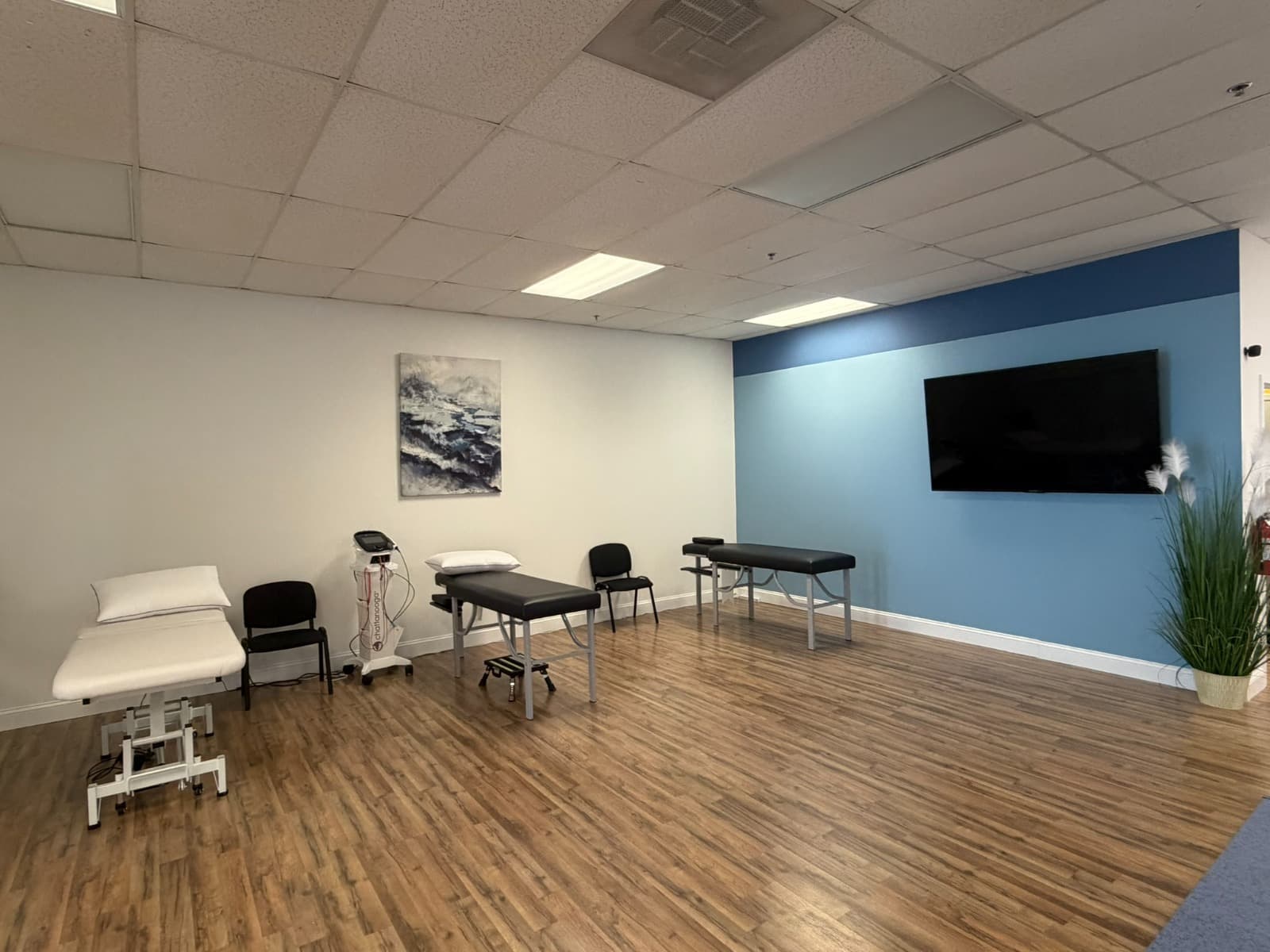
Care centered on your life
Frozen Shoulder, also known as adhesive capsulitis, is a condition that can gradually limit how much you are able to move your shoulder. The stiffness may develop slowly, and everyday activities can become increasingly challenging.
At Americare Physical Therapy in Sterling, VA, we provide personalized physical therapy to help patients understand their condition, improve shoulder mobility, manage discomfort, and work toward returning to the activities they enjoy. Your treatment plan is based on your symptoms, movement limitations, medical history, and individual goals.
01 / Frozen shoulder care
Frozen Shoulder occurs when the tissues surrounding the shoulder joint become tight and restrict normal movement. The shoulder may become painful and increasingly difficult to move, even when you are trying to perform ordinary activities.
The medical term for Frozen Shoulder is adhesive capsulitis. The condition can develop gradually, and the symptoms may change over time.
Some people notice that their shoulder starts to hurt first. As the condition progresses, stiffness may become more noticeable. Eventually, movements that once felt easy can become challenging.
Frozen Shoulder can affect one shoulder or, in some cases, both shoulders at different times.
02 / Frozen shoulder care
The exact cause of Frozen Shoulder is not always clear. In some cases, it develops without an obvious injury or event.
Frozen Shoulder may also occur after a period when the shoulder has not been moving normally. This can happen following an injury, surgery, or another condition that makes shoulder movement difficult.
Certain health conditions may also be associated with a greater risk of developing Frozen Shoulder.
Because shoulder stiffness can have different causes, an evaluation by a qualified healthcare professional can help determine what may be contributing to your symptoms and whether physical therapy is appropriate.
03 / Frozen shoulder care
The symptoms of Frozen Shoulder can vary from person to person. Pain and stiffness are among the most common concerns. You may notice:
For some people, the biggest challenge is pain. For others, restricted movement becomes the more noticeable problem.
If shoulder pain or stiffness is interfering with your daily life, seeking an appropriate evaluation can help you better understand what may be happening.
04 / Frozen shoulder care
Frozen Shoulder is commonly described in three stages. Not everyone experiences these stages in exactly the same way, and the duration of each stage can vary.
During the freezing stage, shoulder pain may gradually increase. Movement can become more difficult as stiffness develops.
You may notice that activities involving reaching, lifting, or moving your arm become uncomfortable.
During the frozen stage, pain may become less intense for some people, but significant stiffness can remain.
Moving the shoulder may continue to be difficult, particularly when reaching overhead or behind your back.
During the thawing stage, shoulder movement may gradually improve. Activities that previously felt restricted may become easier as mobility returns.
Recovery can take time, and every person's experience is different. A physical therapist can help monitor your movement and develop an appropriate rehabilitation plan based on your individual needs.
05 / Frozen shoulder care
Shoulder pain does not always mean that you have Frozen Shoulder. Several different conditions can cause pain, stiffness, or reduced shoulder movement. Consider seeking professional evaluation if your shoulder pain:
A physical therapist can assess your movement, strength, symptoms, and functional limitations. This assessment can help determine whether physical therapy may be appropriate for your situation.
06 / Frozen shoulder care
Physical Therapy for Frozen Shoulder focuses on helping you improve movement and function while addressing your individual symptoms and goals.
Your therapist may begin by assessing your shoulder movement, strength, pain levels, and ability to perform everyday activities. They may also discuss your medical history and how your symptoms affect your routine.
Depending on your condition, your Frozen Shoulder Physical Therapy program may include:
The goal is not to force the shoulder through painful movements. Instead, your treatment should be adjusted according to your symptoms, mobility, tolerance, and progress.
Physical therapy can also help you understand your condition and learn ways to safely work on movement outside the clinic.
07 / Frozen shoulder care
Frozen Shoulder Exercises may be an important part of rehabilitation. Your physical therapist can recommend movements based on your current range of motion and symptoms.
Exercises may include gentle mobility movements, pendulum exercises, stretching, and other range of motion activities. Strengthening may also become part of your program when appropriate.
The right exercises can vary considerably between patients. An exercise that is suitable for one person may not be appropriate for another, particularly when pain and movement limitations are different.
It is also important not to force painful movements. Your physical therapist can show you how to perform exercises correctly and how to gradually progress your program.
08 / Frozen shoulder care
Managing discomfort is often an important part of Frozen Shoulder Treatment.
Your treatment approach may include appropriate movement, activity modification, therapeutic exercises, and other physical therapy techniques based on your needs.
Your therapist can also help you understand which activities may be aggravating your symptoms and how to modify them while continuing to work toward improved mobility.
Pain management is individual. The goal of rehabilitation is not simply to reduce discomfort, but also to help you regain useful movement and improve your ability to participate in everyday activities.
09 / Frozen shoulder care
There is no single recovery timeline that applies to everyone with Frozen Shoulder.
Recovery may depend on factors such as the severity and duration of your symptoms, your current shoulder mobility, your overall health, and how your body responds to treatment.
Some people notice gradual improvements in movement over time, while others may experience a longer period of stiffness.
Consistency with an appropriate rehabilitation program can be an important part of working toward improved shoulder function. Your physical therapist can monitor your progress and adjust your treatment plan as your mobility changes.
10 / Frozen shoulder care
Your first physical therapy appointment will generally begin with a conversation about your symptoms and concerns.
Your therapist may ask about:
Your therapist may then assess your shoulder movement, strength, and functional abilities.
Based on this information, they can develop a treatment plan that is appropriate for your individual needs.
As treatment continues, your therapist can monitor changes in your movement and adjust exercises and other treatment techniques accordingly.
11 / Frozen shoulder care
If shoulder stiffness or pain is making everyday activities difficult, professional guidance can help you understand your options.
Americare Physical Therapy provides personalized rehabilitation for patients in Sterling, VA who are dealing with shoulder pain and mobility limitations.
Our approach focuses on understanding your individual needs rather than using the same treatment plan for every patient. Your therapist can work with you to develop an appropriate rehabilitation program based on your symptoms, functional limitations, and recovery goals.
Whether you are having difficulty reaching overhead, getting dressed, sleeping comfortably, or performing activities you normally enjoy, physical therapy may be an appropriate part of your recovery plan.
12 / Frozen shoulder care
Frozen Shoulder, also called adhesive capsulitis, is a condition that can cause shoulder pain, stiffness, and restricted movement. It can make everyday activities involving the shoulder more difficult.
Physical therapy may help improve shoulder mobility, manage symptoms, and restore function. Treatment is individualized based on your condition, movement limitations, and goals.
There is no single exercise that is best for everyone. Exercises may include gentle mobility movements, stretching, pendulum exercises, and range of motion activities. A physical therapist can recommend exercises based on your individual needs.
The duration can vary from person to person. Frozen Shoulder is often a gradual condition, and recovery may take time. Your progress can depend on several individual factors.
Pain is a common symptom, particularly during the earlier stages for many people. Stiffness can also become a major concern as the condition progresses.
Frozen Shoulder can improve over time, but the recovery experience varies between individuals. Professional evaluation can help you understand your symptoms and determine whether treatment such as physical therapy may be appropriate.
Consider an evaluation if shoulder pain or stiffness is persistent, getting worse, interfering with sleep, or making everyday activities difficult.
Your therapist will typically begin by discussing your symptoms and medical history and assessing your shoulder movement and function. They can then develop a personalized rehabilitation plan based on your needs and goals.
You do not have to ignore persistent shoulder pain or stiffness and hope that it simply goes away.
If Frozen Shoulder is affecting your daily activities, a professional evaluation can help you understand your condition and explore appropriate treatment options.
Americare Physical Therapy in Sterling, VA is here to help you work toward better movement, improved function, and greater confidence in your shoulder.
Contact Americare Physical Therapy today to schedule an evaluation and learn more about Frozen Shoulder Physical Therapy in Sterling, VA.