Dizziness
"Dizziness" is a broad term that may describe sensations such as:
- Feeling lightheaded
- Feeling unsteady
- Feeling off balance
- Feeling faint
- Feeling disoriented
- Feeling as though you are moving when you are standing still
Specialized vestibular care in Sterling, VA
Personalized Physical Therapy for Dizziness, Vertigo, Balance Problems and Vestibular Disorders
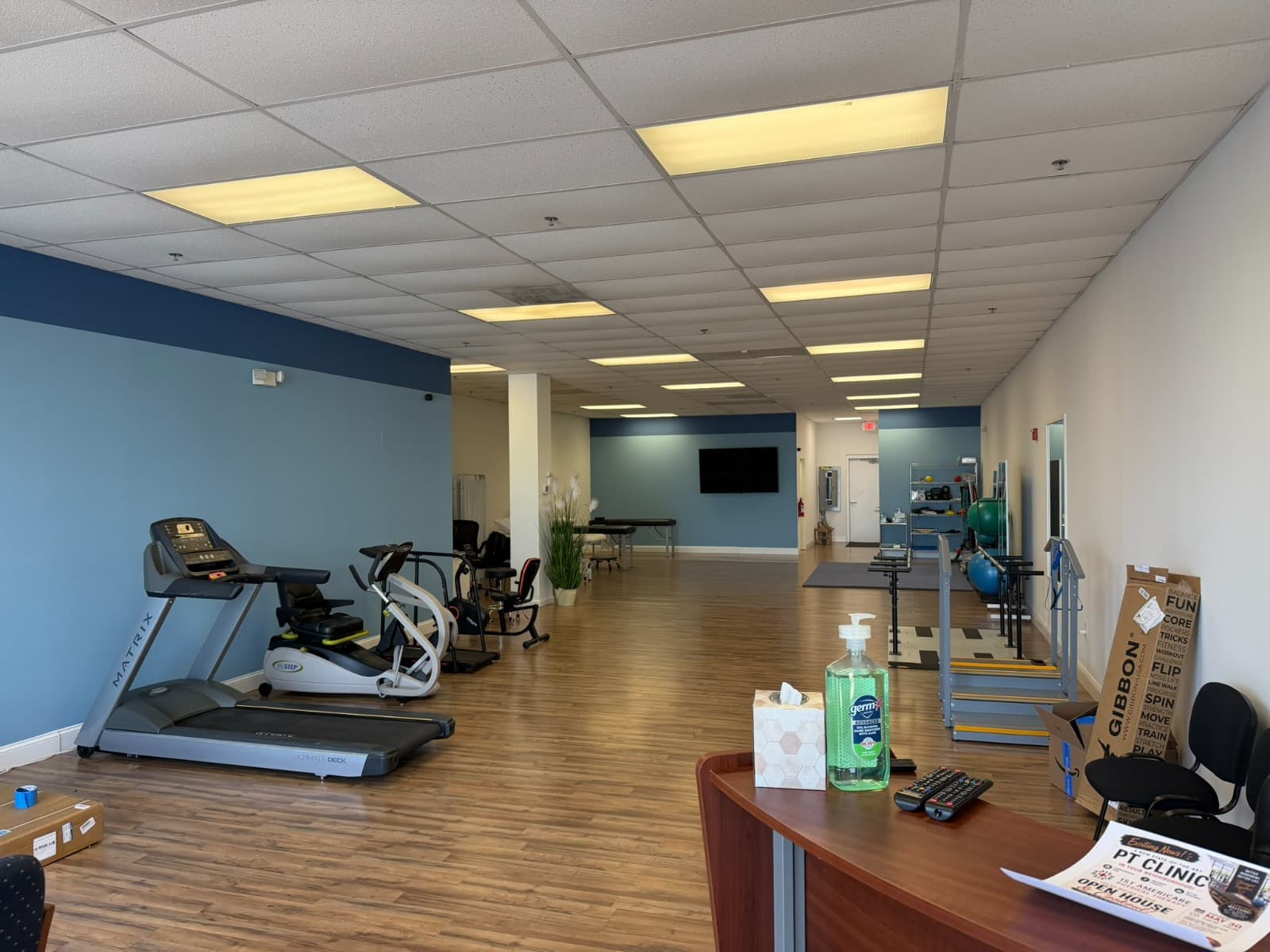
Personalized physical therapy for dizziness, vertigo, and balance problems
Dizziness can make you feel as though the world is moving when it isn't. You may feel like the room is spinning, become unsteady when you walk, feel off balance when you turn your head, or become uncomfortable in busy environments such as grocery stores, shopping centers, or crowded streets.
For some people, dizziness lasts only a few seconds. For others, it can continue for weeks or return repeatedly, affecting work, driving, exercise, sleep, and everyday activities.
You may find yourself avoiding stairs because you are afraid of falling. You may stop exercising because head movement makes you feel dizzy. You may hold onto walls or furniture when walking. Or you may simply feel that your balance and confidence are no longer what they used to be.
These symptoms can be frustrating, but they are not something you necessarily have to live with.
Vestibular rehabilitation is a specialized form of physical therapy designed to help people with dizziness, vertigo, balance problems, gaze instability, and other movement difficulties related to the vestibular system.
At Americare Physical Therapy, our goal is to understand why you are experiencing these symptoms, determine how they are affecting your movement and daily life, and develop an individualized rehabilitation program designed around your specific needs.
Our clinic is located in Sterling, Virginia, and we welcome patients from Sterling and surrounding communities throughout Loudoun County, including Ashburn, Herndon, Reston, Leesburg, Potomac Falls, Cascades, Countryside, Dulles, and nearby areas.
So if you are experiencing positional vertigo, recovering from a vestibular disorder, struggling with balance, or having difficulty walking because of dizziness, our physical therapists can evaluate your movement and determine whether vestibular rehabilitation may be appropriate for you.
01 — Vestibular care
Vestibular rehabilitation is a specialized type of physical therapy that addresses problems involving the body's balance and movement systems.
Your vestibular system is located in your inner ear and works closely with your eyes, brain, muscles, joints, and nervous system to help you understand where your body is in space. It helps your brain answer questions such as:
Under normal circumstances, these systems work together automatically. When one part of this system is not functioning properly, your brain may receive conflicting information. This can result in symptoms such as dizziness, vertigo, imbalance, visual discomfort, or difficulty walking. Vestibular rehabilitation uses carefully selected exercises and movement strategies to help your brain and body adapt to these changes and improve your ability to move safely. The treatment is not the same for everyone. A person with benign paroxysmal positional vertigo (BPPV), for example, may require a very different treatment approach from someone with vestibular hypofunction, persistent imbalance, or dizziness following a concussion. That is why a proper evaluation is an important first step.
02 — Vestibular care
To understand vestibular rehabilitation, it helps to understand the role of your inner ear. Inside each inner ear is a sophisticated balance system containing structures that detect movement of your head. These structures provide your brain with information about:
Your eyes provide another source of information about where you are in your environment. Your muscles and joints provide information about the position of your body and limbs. Your brain combines all of this information to help you maintain balance and coordinate movement. For example, when you turn your head while walking, your eyes need to remain focused on your surroundings while your balance system detects the head movement. Your brain then coordinates your eyes, neck, trunk, and legs so you can continue walking without losing your balance. If these systems are not communicating effectively, you may experience dizziness, blurred or bouncing vision during movement, unsteadiness, or difficulty walking. Vestibular physical therapy is designed to help improve the way these systems work together.
03 — Vestibular care
Not exactly. People often use the words dizziness and vertigo interchangeably, but they can describe different experiences.
"Dizziness" is a broad term that may describe sensations such as:
Vertigo generally refers to a false sensation of movement. You may feel:
Vertigo can have many possible causes. Some are related to the vestibular system, while others may require medical evaluation. This distinction matters because vestibular rehabilitation is not a one-size-fits-all treatment for every type of dizziness. A careful assessment helps determine whether vestibular physical therapy is appropriate and whether you should also be evaluated by another healthcare professional.
04 — Vestibular care
Vestibular rehabilitation may be appropriate for people experiencing a range of vestibular and balance-related problems.
BPPV is one of the most common causes of brief episodes of positional vertigo. People with BPPV often experience spinning or vertigo when they:
BPPV occurs when tiny calcium carbonate particles, sometimes called crystals, move into one of the semicircular canals of the inner ear. These particles can interfere with the normal sensing of head movement. A trained clinician can perform appropriate positional testing to help determine whether BPPV is present. APTA resources include specific positional tests for BPPV, including the Dix-Hallpike test and roll test. (APTA) When BPPV is identified, treatment may involve a specific canalith repositioning maneuver designed to guide the displaced particles out of the affected canal. The exact maneuver depends on the canal involved and the clinical findings.
Vestibular hypofunction occurs when the balance organs of the inner ear do not provide normal information to the brain.
It may affect one side or both sides.
People with vestibular hypofunction may experience:
Vestibular rehabilitation may use exercises designed to improve the brain's ability to use remaining vestibular information and coordinate it with visual and body-position information. APTA's clinical practice guideline specifically addresses rehabilitation for peripheral vestibular hypofunction and provides evidence-based recommendations for examination and treatment.
You do not have to experience spinning vertigo to have a vestibular problem. Some people primarily notice that they feel unsteady. You may:
Balance is a complex skill involving the vestibular system, vision, sensation from your feet and joints, muscle strength, and the brain's ability to process all of that information. Vestibular rehabilitation can assess these contributing factors and incorporate balance exercises appropriate for your abilities.
Some people develop dizziness, visual discomfort, imbalance, or difficulty tolerating head movement after a concussion or traumatic brain injury. Symptoms may include:
Because concussion-related symptoms can have multiple causes, assessment should be individualized. Vestibular rehabilitation may form part of a broader rehabilitation plan when vestibular or balance dysfunction is contributing to symptoms.
Some people experience dizziness, motion sensitivity, or balance-related symptoms in association with migraine. These symptoms may occur with or without a typical headache. A person may become particularly sensitive to:
Vestibular rehabilitation may be considered as part of a broader management strategy when a vestibular component is identified. This is because migraine and dizziness can have multiple causes, appropriate medical evaluation remains important.
Ménière's disease is an inner-ear disorder that may involve episodes of vertigo, hearing changes, tinnitus, and a sensation of fullness in the ear. Vestibular rehabilitation is not a treatment for every aspect of Ménière's disease, but physical therapy may have a role for patients experiencing persistent imbalance or functional limitations after or between episodes. The American Academy of Otolaryngology–Head and Neck Surgery guideline includes vestibular rehabilitation as part of management for patients with Ménière's disease who experience chronic imbalance.
If you have new or changing hearing symptoms, severe or recurrent vertigo, or have not received a medical diagnosis, evaluation by an appropriate medical professional may be necessary.
Depending on your evaluation, vestibular rehabilitation may also be relevant to people experiencing:
Not every person with these symptoms needs vestibular therapy. The purpose of the evaluation is to understand what is contributing to your symptoms and determine the safest and most appropriate next step.
05 — Vestibular care
Vestibular problems can affect far more than your sense of balance. You may experience:
A sensation of lightheadedness, movement, floating, or instability.
A spinning or movement sensation that may occur with certain head or body positions.
Difficulty maintaining stability while standing or walking.
Feeling dizzy or uncomfortable when:
Some people notice that their vision feels blurry or unstable when they move their head.
Dizziness and vertigo can sometimes trigger nausea or vomiting.
You may feel uncertain about where to place your feet or become unsteady when changing direction.
Repeated dizziness or imbalance can make people afraid to move normally.
That fear can lead to avoiding activities, becoming less active, and gradually losing strength and confidence.
06 — Vestibular care
You may benefit from a vestibular evaluation if dizziness or balance problems are affecting your daily life. Consider speaking with a physical therapist if you:
You do not need to wait until your symptoms become severe before seeking an evaluation.
07 — Vestibular care
This is one of the most important sections of any vestibular rehabilitation website.
Not all dizziness is caused by an inner-ear problem. Sudden dizziness, vertigo, or loss of balance can sometimes occur with a stroke, particularly when accompanied by other neurological symptoms. If you suddenly develop:
So make sure to call 911 immediately rather than scheduling a routine physical therapy appointment. The American Stroke Association uses the B.E. F.A.S.T. warning signs: B — Balance: sudden loss of balance or coordination E — Eyes: sudden vision changes F — Face: facial drooping A — Arm: sudden arm weakness or numbness S — Speech: speech difficulty T — Time: call 911 immediately These symptoms require emergency evaluation even if they improve or disappear. A brainstem stroke can sometimes present with vertigo, dizziness, and severe imbalance, and it may not always produce the classic one-sided weakness associated with other strokes. Your safety comes first. Vestibular rehabilitation should never delay emergency medical care.
08 — Vestibular care
Your first appointment is designed to understand your symptoms, identify factors contributing to your dizziness or imbalance, and determine whether vestibular rehabilitation is appropriate. At Americare Physical Therapy, your evaluation may include several components.
Your physical therapist will want to understand exactly what you are experiencing. You may be asked:
These details can provide important clues about the nature of your symptoms.
Your therapist may assess:
The exact tests used depend on your symptoms and clinical presentation. Standardized measures may also be used to establish a baseline and monitor changes over time. APTA resources include measures such as the Dizziness Handicap Inventory and balance-related assessments used in vestibular populations.
Because your eyes and vestibular system work closely together, your therapist may observe how your eyes respond to head movement and visual targets. Depending on the clinical situation, this may help identify problems involving:
The goal is not simply to identify whether you feel dizzy, but it is to understand what movements or sensory conditions reproduce your symptoms and how your body responds.
If your symptoms suggest BPPV, the therapist may perform appropriate positional testing.
For example, specific tests can help identify whether certain head positions trigger characteristic eye movements associated with BPPV.
The test selected depends on the suspected canal and clinical presentation.
If BPPV is confirmed, an appropriate repositioning maneuver may be performed.
Once the evaluation is complete, your therapist will explain the findings in straightforward language. You should understand:
Your plan will be individualized rather than based on a generic dizziness program.
09 — Vestibular care
Vestibular rehabilitation is exercise-based, but the exercises are not simply random balance activities. Each exercise has a specific purpose.
For appropriate cases of BPPV, a clinician may perform a repositioning maneuver designed to move displaced particles out of the affected semicircular canal. The maneuver depends on the type and location of BPPV identified during assessment. Because different forms of BPPV require different approaches, it is important not to assume that an online maneuver is appropriate for everyone.
Some people experience blurred or bouncing vision when they move their head. Gaze stabilization exercises are designed to improve the ability of your eyes to remain focused while your head moves. These exercises may involve:
Your therapist determines the appropriate exercise, speed, duration, and progression based on your symptoms and clinical findings.
Habituation involves carefully repeated exposure to movements or environments that provoke mild symptoms. The goal is to help the nervous system adapt to specific movements over time.
For example, if a particular head movement consistently produces mild dizziness, a therapist may design a controlled exercise program that gradually exposes you to that movement.
The exercise must be appropriately dosed. The goal is not to make you severely dizzy or sick.
Balance training may involve progressively challenging your ability to remain stable. Exercises may include:
The exercises are selected according to your current abilities and fall risk.
If vestibular dysfunction affects your walking, treatment may include gait training. Your therapist may work with you on:
The goal is to help you become safer and more confident during real-world movement.
Vestibular rehabilitation should ultimately translate into your everyday life. Your therapist may therefore incorporate activities that resemble what you actually need to do.
For example: If grocery shopping makes you dizzy, rehabilitation may address visual motion and walking tolerance.
If stairs make you nervous, your program may incorporate stair training.
If turning your head while walking makes you unstable, your therapist may progressively incorporate head movements into walking exercises.
If getting out of bed triggers vertigo, positional assessment and appropriate treatment may be considered.
This makes rehabilitation meaningful rather than simply completing exercises in a clinic.
If dizziness or imbalance has increased your risk of falling, fall prevention becomes an important part of treatment. Your therapist may assess:
You may also receive practical recommendations for making everyday movement safer. For older adults in particular, dizziness and imbalance can contribute to fear of falling, reduced activity, and loss of independence. APTA notes the significant functional impact vestibular disorders can have on older adults.
10 — Vestibular care
Two people can both say, "I feel dizzy," and have completely different underlying problems. For example: One person may have BPPV triggered by rolling over in bed.
Another may have reduced vestibular function and feel unstable while walking in the dark.
Another may have persistent dizziness following a concussion.
Another may have a neurological condition affecting balance.
Another may have symptoms associated with migraine.
The treatment approach should therefore be based on the individual's symptoms, examination findings, medical history, and functional goals.
That is why a comprehensive evaluation matters.
11 — Vestibular care
Patients often want to know whether vestibular rehabilitation will make them dizzy.
Well, the honest answer is: some exercises may temporarily reproduce mild symptoms because the nervous system is being challenged but the treatment should be appropriately dosed and monitored. Your therapist will consider:
The goal is progressive improvement, and not unnecessary suffering. You should always tell your therapist if an exercise produces severe, unusual, or concerning symptoms.
12 — Vestibular care
There is no single timeline that applies to everyone. Recovery depends on:
Some conditions, such as appropriately treated BPPV, may respond relatively quickly. Other vestibular disorders may require a longer period of rehabilitation. Your therapist will monitor your progress and adjust your program rather than assuming that everyone needs the same number of visits.
13 — Vestibular care
Your home program is an important part of vestibular rehabilitation. Depending on your condition, your therapist may recommend:
You should perform only the exercises prescribed or recommended for your individual condition. Online vestibular exercises are not necessarily appropriate for everyone. The same exercise that helps one person may aggravate symptoms in another.
14 — Vestibular care
Choosing a vestibular rehabilitation clinic is about more than finding a place that offers "balance exercises." Vestibular problems can be complex. Your treatment should begin with careful assessment and continue with a rehabilitation program that evolves as your symptoms change.
At Americare Physical Therapy , we believe patients deserve personalized care, clear explanations, and meaningful attention throughout their rehabilitation.
One of Americare's important differentiators is its one-on-one treatment model. Rather than having your treatment session primarily delegated to therapy aides or support personnel, Americare's approach is designed around direct, individualized attention from your physical therapist.
This allows your therapist to:
For vestibular rehabilitation, this level of attention can be particularly important because symptoms can change depending on head position, movement speed, visual environment, fatigue, and other factors.
Your dizziness is unique to you. At Americare, treatment should be built around your:
The purpose is not simply to give you a list of exercises. It is to understand why movement is difficult and what can be done to help you move more safely and confidently.
We believe you should understand your rehabilitation. Your physical therapist should be able to explain:
When patients understand their condition and participate actively in their rehabilitation, therapy becomes a partnership rather than something that simply happens to them.
15 — Vestibular care
Americare Physical Therapy is located in Sterling, Virginia , and serves patients from throughout the surrounding Loudoun County area. If you are searching for:
Americare provides a convenient Sterling location for patients who live and work in nearby communities. We do not have separate clinics in Ashburn, Herndon, Reston, or Leesburg; these communities are mentioned because patients from surrounding areas may choose to travel to our Sterling clinic for care.
Helpful answers
Vestibular rehabilitation is a specialized form of physical therapy that uses individualized exercises and movement strategies to address dizziness, imbalance, gaze instability, and other functional problems associated with vestibular dysfunction.
It can, depending on the cause of the vertigo. For example, certain forms of BPPV may be treated using specific canalith repositioning maneuvers. Other causes of vertigo may require different rehabilitation strategies or medical management.
Because vertigo has multiple possible causes, an appropriate evaluation is important before deciding what treatment is needed.
Yes. Physical therapists trained in vestibular rehabilitation can evaluate appropriate patients for BPPV and, when indicated, use canalith repositioning maneuvers. The specific maneuver depends on which semicircular canal is involved and the clinical findings.
You cannot reliably determine the cause of dizziness based on symptoms alone. Dizziness can have many causes, including vestibular disorders, neurological conditions, cardiovascular problems, medications, migraine, dehydration, and other medical issues.
A physical therapist can evaluate movement and balance and determine whether the presentation appears appropriate for vestibular rehabilitation. In some cases, medical evaluation or referral is also necessary.
Some vestibular exercises intentionally expose you to movements that reproduce mild symptoms because controlled exposure can be part of rehabilitation. However, exercises should be appropriately selected and dosed.
Your therapist should monitor your response and adjust the program as needed. Severe or unusual symptoms should always be reported.
There is no standard number of visits. The duration depends on the underlying condition, severity, functional limitations, response to treatment, and individual goals. Some problems may improve relatively quickly, while others require longer-term rehabilitation.
Yes, when vestibular or other appropriate factors are contributing to the balance problem. Treatment may include balance training, gait training, gaze stabilization, strengthening, sensory integration activities, and fall-prevention strategies depending on the individual's needs.
Yes. Older adults may experience vestibular disorders, balance impairment, reduced strength, and increased fall risk. A personalized rehabilitation program can address the factors contributing to instability and help support safer mobility.
Vestibular rehabilitation is recognized as an important component of care for older adults with vestibular disorders and balance limitations.
It may, particularly when dizziness, gaze instability, motion sensitivity, or balance problems are contributing to ongoing symptoms.
However, concussion symptoms can have multiple causes. A comprehensive assessment is important to determine whether vestibular rehabilitation is appropriate and whether other healthcare professionals should also be involved.
Vestibular and balance rehabilitation may be part of a stroke rehabilitation program when appropriate. However, new sudden dizziness or balance loss can itself be a sign of stroke. If symptoms begin suddenly especially with vision changes, facial drooping, arm weakness, speech difficulty, or severe coordination problems, please call 911 rather than arranging a routine therapy appointment.
Bring any relevant medical information you have, including:
If you use glasses, a cane, walker, or other assistive device, bring those as well.
Wear comfortable clothing and supportive shoes that allow you to move safely. Because balance and walking may be assessed, footwear you normally use for daily activities can be helpful.
Virginia allows direct access to physical therapy in many circumstances, but insurance requirements can vary. Your insurance plan may have its own rules regarding referrals, authorizations, or coverage. Americare can help you understand the practical requirements before beginning treatment.
No. Vestibular rehabilitation may also be appropriate for people who experience:
You do not necessarily need to feel that the room is spinning to have a vestibular or balance problem.
Driving safety depends on the severity and cause of your symptoms. If you experience unpredictable vertigo, significant dizziness, visual disturbances, loss of balance, or impaired concentration, you should discuss driving with your healthcare provider. Do not drive when your symptoms make it unsafe to control a vehicle.
Not necessarily. In fact, appropriate physical activity is often an important component of rehabilitation. However, the type and intensity of exercise should be individualized. Your therapist can help determine which activities are appropriate and how to progress them safely.
The outcome depends on the underlying cause. Some conditions can respond very well to targeted treatment. Others may require ongoing management. The goal of rehabilitation is to improve function, reduce symptoms where possible, increase confidence, and help you participate more fully in everyday life. Your therapist can discuss realistic expectations after your evaluation.
Take the next step
Dizziness and balance problems can affect far more than your physical movement.
They can change the way you work, exercise, travel, socialize, shop, sleep, and participate in everyday activities. You may begin avoiding situations that once felt completely normal because you're worried about becoming dizzy or falling. You don't have to simply accept that loss of confidence as inevitable.
A comprehensive vestibular rehabilitation evaluation can help determine what may be contributing to your symptoms and whether physical therapy is an appropriate part of your care.
At Americare Physical Therapy in Sterling, VA, our approach is centered on individualized assessment, patient education, evidence-based rehabilitation, and one-on-one attention from your physical therapist.
Our goal is to help you understand your symptoms, move more confidently, improve your balance and function, and return to the activities that matter to you.
Whether you're dealing with vertigo, dizziness, balance problems, motion sensitivity, or difficulty walking, our team can help determine whether vestibular rehabilitation may be appropriate for you.
Proudly serving patients from Sterling and surrounding communities, including Ashburn, Herndon, Reston, Leesburg, Potomac Falls, Cascades, Countryside, and Dulles .
This page provides general educational information and is not a substitute for medical diagnosis or emergency medical care. Vestibular symptoms can have many causes. If you experience sudden neurological symptoms such as facial drooping, arm weakness, speech difficulty, sudden vision changes, or sudden severe loss of balance, call 911 immediately.