Specialized physical therapy

Pediatric Physical Therapy

Finding the right care for your child can feel overwhelming, especially when you are watching them struggle with something that seems to come naturally to other kids their age. Maybe your toddler still isn't walking when their peers have been running for months. Maybe your child trips constantly, tires quickly, or seems to hold their body a little differently than you expected. Whatever brought you here, know this. You are not overreacting, and you are not alone.

Americare Physical Therapy treatment space

Care designed around your child

At Americare PT Clinic in Sterling, Virginia, our pediatric physical therapy team works with children of every age and ability to help them move, play, and grow with more strength and confidence. Pediatric physical therapy focuses on evaluating and treating the specific movement challenges children face, from muscle weakness and balance difficulties to delays in reaching motor milestones like sitting, crawling, and walking.

Early intervention matters more than most parents realize. A child's nervous system and muscles are remarkably adaptable in the first several years of life, which means the sooner a movement issue is identified and addressed, the more effectively a therapist can guide the body toward healthy patterns. Waiting rarely makes these issues resolve on their own, and in many cases, delaying treatment allows compensations and bad habits to become more deeply ingrained.

Every child who walks through our doors receives a plan built specifically around them. We do not use generic templates or one-size-fits-all exercises. Our pediatric physical therapists take time to understand your child's unique strengths, challenges, and personality, then build a treatment approach that feels more like play than therapy. If you have questions about whether physical therapy could help your child, we encourage you to schedule an evaluation with our team. A conversation costs you nothing, and it may give you real answers.

01 / Explore your care

Why Choose Americare for Pediatric Physical Therapy?

Parents in Sterling and throughout Northern Virginia choose Americare because they want a clinic that treats their child as an individual, not a diagnosis on a chart. Here is what sets our approach apart.

Individualized care.

No two children move the same way or face the same obstacles. Our therapists design each treatment plan around your child's specific goals, whether that means taking their first independent steps or improving coordination for a school sports team.

Evidence-based treatment.

Our pediatric physical therapists rely on current research and proven clinical methods rather than trends. Every exercise and technique we use is grounded in what actually works for children's developing bodies.

Family-centered approach.

You know your child better than anyone. We involve parents and caregivers in every stage of the process, from the initial evaluation through home exercise planning, because therapy works best when it continues outside our clinic walls too.

Compassionate therapists.

Our team understands that a clinic can feel intimidating to a young child. We take the time to build trust, using patience and encouragement so your child feels safe rather than scared.

One-on-one treatment.

Your child receives focused, dedicated attention during each session. We do not rush between multiple patients at once, because meaningful progress requires real attention.

Modern rehabilitation equipment.

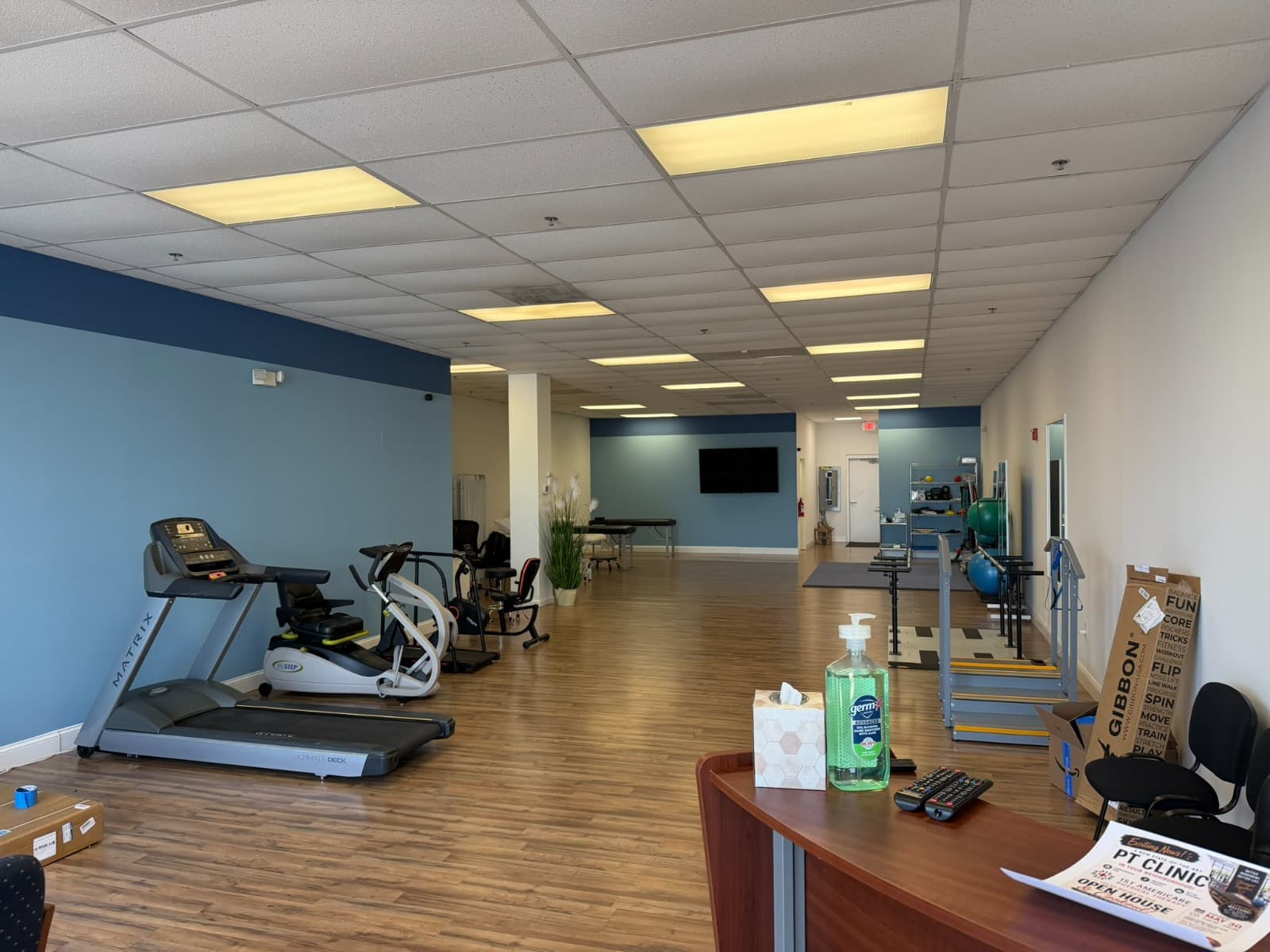
Our Sterling facility is equipped with tools designed specifically for pediatric rehabilitation, allowing our therapists to target strength, balance, and coordination in ways that are both effective and engaging for kids.

Child-friendly environment.

From the layout of our treatment space to the way our staff interacts with young patients, everything is designed to make children feel comfortable and even excited to come to therapy.

Collaboration with pediatricians and caregivers.

We work closely with your child's pediatrician and any other specialists involved in their care, ensuring everyone is aligned on goals and progress. Families throughout Sterling, Ashburn, Herndon, and the greater Loudoun County area trust us to be a consistent, communicative partner in their child's development.

02 / Explore your care

What is Pediatric Physical Therapy?

Pediatric physical therapy is a specialized branch of physical therapy focused on infants, toddlers, children, and adolescents whose movement, strength, or physical development needs support. It differs from adult physical therapy because a child's body is still growing and developing, which requires a different set of tools, techniques, and expectations.

Children benefit from pediatric PT for many reasons. Some are born with conditions that affect muscle tone or coordination. Others experience developmental delays that show up gradually, such as not crawling or walking within a typical timeframe. Still others are recovering from an injury, a surgery, or working to improve athletic performance and prevent future sports injuries.

During an evaluation, a pediatric physical therapist looks closely at how your child moves. This includes assessing balance, strength, coordination, posture, and overall mobility. Therapists observe how a child sits, stands, walks, runs, and transitions between positions, watching for patterns that might indicate weakness, tightness, or a delay in gross motor development.

The ultimate goal of pediatric physical therapy is independence. We want every child we treat to move through their world with as much confidence and freedom as possible, whether that

means walking to the school bus stop without assistance, keeping up with siblings on the playground, or simply feeling steady on their feet.
03 / Explore your care

Conditions We Treat

Our pediatric physical therapists have experience treating a wide range of conditions. Below are some of the most common diagnoses we see at our Sterling clinic.

Developmental Delay.

When a child does not reach motor milestones such as rolling, sitting, crawling, or walking within the expected age range, it is considered a developmental delay. Developmental delay physical therapy focuses on strengthening the muscles needed for these milestones and guiding the body toward more typical movement patterns through targeted, repetitive practice.

Torticollis.

This condition causes an infant's neck muscles to tighten on one side, leading the head to tilt or turn in a fixed direction. Left untreated, torticollis can affect head shape and motor development. Physical therapy uses gentle stretching and positioning techniques to restore full range of motion in the neck.

Toe Walking.

Some children walk primarily on their toes rather than placing their heels down. While occasional toe walking is common in toddlers, persistent toe walking can indicate tight calf muscles or other underlying issues. Therapy addresses flexibility and strength to encourage a more typical walking pattern.

Autism Spectrum Disorder.

Children with autism often experience differences in motor planning, coordination, and body awareness. Physical therapy for kids with autism focuses on building gross motor skills through structured, predictable activities that support sensory processing alongside physical development.

Down Syndrome.

Children with Down syndrome frequently experience low muscle tone, which can affect balance, strength, and the timing of motor milestones. Pediatric physical therapy helps build strength and stability, supporting steadier movement and greater independence over time.

Cerebral Palsy.

This neurological condition affects muscle control and coordination due to differences in brain development. Therapy for children with cerebral palsy focuses on maximizing functional movement, improving strength, and supporting mobility equipment use when needed.

Muscle Weakness.

Reduced muscle strength can stem from many causes and often shows up as difficulty with stairs, standing from the floor, or keeping up with peers during play. Targeted strengthening exercises help children build the muscle capacity they need for everyday activities.

Balance Disorders.

Children who fall frequently or seem unsteady on their feet may have an underlying balance issue. Therapists use specific exercises and equipment to improve stability and reduce fall risk.

Sports Injuries.

Young athletes are not immune to strains, sprains, and overuse injuries. Our therapists help children recover safely and return to their sport with proper technique to reduce the risk of reinjury.

Genetic Conditions.

Many genetic conditions come with associated motor delays or muscle tone differences. Our therapists tailor treatment to the specific needs and capabilities of each child, regardless of diagnosis.

Neurological Disorders.

Conditions affecting the brain, spinal cord, or nerves can impact movement, coordination, and muscle control. Pediatric physical therapy addresses these challenges with individualized, function-focused treatment.

Orthopedic Conditions.

Issues involving bones, joints, and muscles, including post-fracture recovery or hip conditions, respond well to physical therapy that restores strength and range of motion.

Premature Birth Development.

Babies born prematurely sometimes experience delays in reaching motor milestones due to their early start. Early physical therapy can support healthy movement patterns and help close developmental gaps.

04 / Explore your care

Signs Your Child May Benefit from Physical Therapy

Parents often wonder whether what they are noticing is truly a concern or simply a phase. While every child develops at their own pace, certain signs are worth discussing with a pediatric physical therapist.

  • Delayed walking or crawling compared to typical developmental timelines
  • Frequent falls or tripping during everyday activities
  • Poor balance when standing, sitting, or transitioning between positions
  • Difficulty climbing stairs or getting up from the floor
  • Noticeable muscle weakness in the arms, legs, or core
  • Poor coordination during running, jumping, or catching
  • Abnormal posture, such as a persistent head tilt or uneven gait
  • Delayed motor milestones flagged during pediatrician visits
  • Sports injuries that keep recurring or are slow to heal
  • Difficulty keeping up with peers during play or physical activities at school If any of these sound familiar, an evaluation can help clarify what is happening and what support your child might benefit from.

05 / Explore your care

Our Pediatric Physical Therapy Services

Americare offers a full range of pediatric rehabilitation services designed to meet children exactly where they are.

  • Comprehensive evaluations that assess strength, balance, coordination, and overall movement patterns
  • Individualized treatment plans built around your child's specific goals and needs
  • Balance training to reduce fall risk and improve stability
  • Strength training using age-appropriate exercises and equipment
  • Gait training to support a more efficient and typical walking pattern
  • Coordination exercises that build body awareness and motor planning
  • Neurological rehabilitation for children with conditions affecting the brain or nervous system
  • Sensory motor activities that combine physical movement with sensory processing support
  • Sports injury rehabilitation to help young athletes recover and return to play safely
  • Post-surgical rehabilitation to restore strength and mobility following orthopedic procedures
  • Developmental milestone training focused on skills like sitting, crawling, standing, and walking
  • Home exercise education so progress continues between clinic visits
  • Parent education to help families understand their child's condition and how to support their progress at home

06 / Explore your care

Our Treatment Process

We keep our process transparent so families always know what to expect.

01

Initial Consultation.

We start by listening. You will share your concerns, your child's history, and what you hope to achieve through therapy.

02

Comprehensive Assessment.

Our therapist evaluates your child's strength, balance, coordination, posture, and mobility to build a clear picture of their current abilities.

03

Goal Setting.

Together, we establish specific, realistic goals based on your child's needs and your family's priorities.

04

Personalized Treatment Plan.

We design a plan of care that targets your child's specific challenges using age-appropriate, engaging techniques.

05

Family Involvement.

Parents and caregivers are included throughout treatment, learning strategies to support progress at home.

06

Progress Monitoring.

We regularly reassess your child's abilities to track improvement and adjust the plan as needed.

07

Ongoing Communication.

We stay in close contact with families and, when appropriate, your child's pediatrician or other specialists, so everyone stays aligned on progress.

07 / Explore your care

Benefits of Pediatric Physical Therapy

Families who commit to pediatric physical therapy often see meaningful changes that extend well beyond the clinic. These benefits can include improved mobility, better balance, and enhanced coordination during everyday activities. Many children develop greater independence, allowing them to complete daily tasks without relying on assistance from parents or caregivers.

Beyond the physical improvements, therapy often builds a child's confidence. As kids become more capable in their movements, they tend to participate more fully in school activities, playground games, and organized sports. For children recovering from injury, physical therapy also supports pain reduction and safer return to activity. Perhaps most importantly, the skills and strength built during pediatric physical therapy support long-term physical development, setting children up for healthier movement patterns well into adulthood.

08 / Explore your care

Why Early Intervention Matters

A child's brain and body develop at an extraordinary pace during the first several years of life. This period of rapid growth means the nervous system is highly responsive to therapy, making early intervention one of the most powerful tools available for improving long-term outcomes.

When movement challenges go unaddressed, children often develop compensation patterns, using different muscles or techniques to accomplish tasks their bodies were not originally built to handle efficiently. Over time, these compensations can become habits that are much harder to correct. Addressing an issue early, while the brain and body are still highly adaptable, gives a child the best opportunity to build strong, efficient movement patterns from the start.

Early intervention also supports emotional development. Children who struggle to keep up physically with their peers can experience frustration or a loss of confidence. Addressing movement challenges early helps children participate more fully in play and social activities, supporting both their physical and emotional wellbeing as they grow.

09 / Explore your care

Frequently Asked Questions

What age can a child begin physical therapy?

Children can begin pediatric physical therapy at any age, including infancy. Many of our youngest patients start therapy within the first few months of life to address conditions like torticollis or early signs of developmental delay. There is no minimum age requirement, and starting therapy early often leads to better outcomes since young bodies respond well to consistent, targeted intervention during periods of rapid growth and development.

Does my child need a physician referral?

In Virginia, physical therapy evaluations can often begin without a physician referral, though this can depend on your specific insurance plan. Some insurance providers require a referral for coverage purposes. Our front desk team can help verify your insurance requirements and guide you through the process, so give us a call, and we will walk you through exactly what your plan requires.

How long are therapy sessions?

Pediatric physical therapy sessions typically last between thirty and sixty minutes, depending on your child's age, condition, and treatment plan. Younger children or those with shorter attention spans may benefit from shorter, more frequent sessions, while older kids working on specific strength or sports-related goals may have longer sessions built around more complex exercises.

Will insurance cover pediatric physical therapy?

Many insurance plans cover pediatric physical therapy, though coverage details vary by provider and plan. Our billing team verifies your benefits before treatment begins so you understand your coverage and any out-of-pocket costs upfront. We are happy to answer questions about your specific plan and help you understand what to expect financially before starting care.

How often will my child need therapy?

Frequency depends entirely on your child's specific needs and goals. Some children benefit from weekly sessions, while others with more complex needs may attend two or three times per week. Your therapist will recommend a schedule based on the initial evaluation and adjust it over time as your child progresses toward their goals.

What should my child wear?

Comfortable, loose-fitting clothing that allows for easy movement works best for therapy sessions. Athletic wear such as shorts, T-shirts, and sneakers is ideal. Avoid restrictive clothing or dresses that might limit our therapist's ability to observe and guide your child's movement during exercises.

Can parents attend therapy sessions?

Absolutely. We encourage parents and caregivers to be present during sessions whenever possible. Watching your child's therapy helps you understand the techniques being used and prepares you to reinforce those strategies at home, which is often a key factor in how quickly children progress.

How long does treatment usually last?

The length of treatment varies widely depending on your child's condition, goals, and rate of progress. Some children achieve their goals within a few months, while others with more complex needs may benefit from ongoing therapy over a longer period. Your therapist will provide an estimated timeline after the initial evaluation and adjust it as treatment progresses.

What happens during the first visit?

Your child's first visit includes a comprehensive evaluation where our therapist assesses strength, balance, coordination, posture, and mobility. We will also discuss your concerns, your child's history, and your goals for therapy. By the end of the visit, you will have a clearer understanding of your child's needs and a proposed plan moving forward.

How do I schedule an appointment?

Scheduling an appointment is simple. You can call our Sterling, Virginia clinic directly or book online through our website. Our team will help find a convenient time and walk you through any paperwork or insurance information needed before your child's first visit.

10 / Explore your care

Why Families Trust Americare PT Clinic

Families across Sterling and Northern Virginia trust Americare because we combine clinical expertise with genuine care. Our therapists bring years of experience treating a wide range of pediatric conditions, and we stay grounded in evidence-based methods rather than shortcuts or trends.

We believe therapy works best as a partnership, which is why our family-centered approach keeps parents informed and involved every step of the way. We take time to explain what we are doing and why, so you always understand your child's plan of care. Our comfortable, child-friendly environment helps kids feel at ease, and our commitment to clear, ongoing communication means you are never left wondering how things are progressing. Above all, we are committed to helping every child we treat move, play, and grow with greater confidence and independence.

11 / Explore your care

Schedule Your Child's Pediatric Physical Therapy Evaluation Today

If you have noticed signs of delayed development, balance difficulties, or muscle weakness in your child, we encourage you to reach out. Our pediatric physical therapy team in Sterling, VA is here to answer your questions, evaluate your child's needs, and build a plan that helps them thrive. Call our clinic today or book your child's evaluation online. Your child's progress starts with a single appointment, and our team is ready to support your family every step of the way.