Personalized neurological care in Sterling, VA

Neurological Physical Therapy in Sterling, VA

Helping You Regain Strength, Balance, Mobility, and Independence

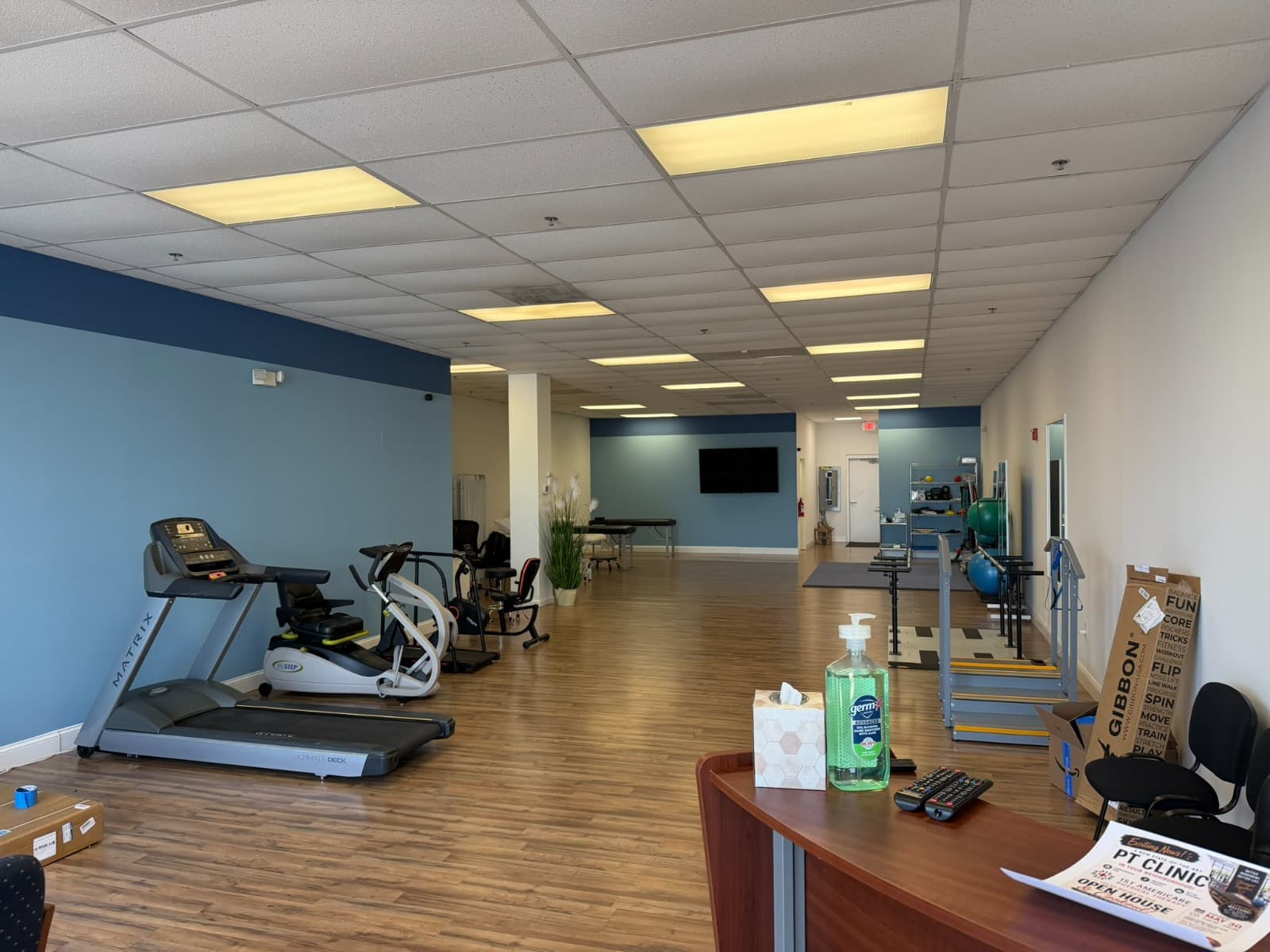
Americare Physical Therapy neurological rehabilitation area

Helping you regain strength, balance, mobility, and independence

The nervous system is the body's communication network. It sends signals between your brain, spinal cord, and muscles, allowing you to move, maintain your balance, feel sensations, and perform everyday tasks like walking, getting dressed, or climbing stairs.

When the nervous system is affected by an illness, injury, or neurological condition, these signals may not travel properly. As a result, everyday activities that once felt effortless can become difficult. You may notice weakness in your arms or legs, difficulty maintaining your balance, muscle stiffness, tremors, reduced coordination, or trouble walking safely.

For many people, these changes can be physically and emotionally challenging. Simple activities such as preparing a meal, walking to the mailbox, or getting in and out of bed may suddenly require extra effort or assistance.

The good news is that neurological physical therapy can help. At Americare Physical Therapy, we provide personalized neurological rehabilitation programs designed to improve mobility, restore strength, enhance balance, and help individuals regain confidence in their daily lives.

Our goal is not simply to treat symptoms, but to help each patient achieve the highest possible level of independence and improve their overall quality of life.

We are located in Sterling, Virginia, however, we serve patients throughout Loudoun County, including Ashburn, Herndon, Reston, Leesburg, Potomac Falls, Cascades, and nearby communities.

So if you are recovering from a stroke, managing Parkinson's disease, living with multiple sclerosis, or experiencing balance problems due to another neurological condition, our experienced physical therapists are committed to supporting your recovery every step of the way.
01 — Neurological care

What Is Neurological Physical Therapy?

Neurological Physical Therapy, also known as neurological rehabilitation or neuro physical therapy, is a specialized area of physical therapy that focuses on helping people with conditions affecting the brain, spinal cord, and nerves.

Unlike orthopedic physical therapy, which primarily treats injuries involving muscles, bones, joints, and ligaments, neurological physical therapy addresses movement problems caused by disorders of the nervous system.

Your nervous system controls nearly every movement your body makes. It allows you to:

  • Walk
  • Maintain balance
  • Move your arms and legs
  • Coordinate movements
  • Stand up from a chair
  • Climb stairs
  • Grip objects
  • Speak and swallow (for certain neurological conditions)
  • Maintain posture
  • React to your surroundings

When the nervous system is damaged or disrupted, these abilities can become impaired.

Neurological physical therapy is designed to retrain the body, strengthen weakened muscles, improve movement patterns, and help patients adapt to changes in physical function.

Every rehabilitation program is personalized because no two neurological conditions and no two patients are exactly alike.

02 — Neurological care

Understanding the Nervous System

To better understand neurological rehabilitation, it helps to know how the nervous system works.

Think of your brain as the body's control center. Your brain sends messages through the spinal cord and nerves to every muscle in your body. These messages tell your muscles when to move, how much force to use, and how to coordinate movements smoothly. At the same time, your nerves constantly send information back to your brain about:

  • Balance
  • Body position
  • Touch
  • Temperature
  • Pain
  • Muscle activity

This continuous communication allows you to perform everyday activities without consciously thinking about them. When this communication system is interrupted by disease or injury, movements may become slower, weaker, less coordinated, or more difficult.

Neurological rehabilitation focuses on strengthening this communication between the brain, nerves, and muscles while helping the body learn new ways to perform movements safely and efficiently.

03 — Neurological care

How Neurological Physical Therapy Helps

One of the most remarkable characteristics of the human brain is its ability to adapt. This ability is known as neuroplasticity, the brain's capacity to reorganize itself by forming new neural connections after injury or illness.

Although neurological conditions can affect movement, balance, strength, and coordination, the brain is often capable of learning new movement patterns through consistent practice and targeted rehabilitation.

Neurological physical therapy takes advantage of this ability by using repetitive, purposeful exercises that encourage the brain and nervous system to develop new pathways for movement.

Treatment focuses on helping patients:

  • Improve walking ability
  • Increase muscle strength
  • Restore balance
  • Improve coordination
  • Enhance flexibility
  • Reduce the risk of falls
  • Increase endurance
  • Improve posture
  • Regain confidence during everyday activities
  • Maximize independence

Recovery looks different for every individual. Some people regain skills they temporarily lost, while others learn new techniques that allow them to perform daily activities more safely and independently.

04 — Neurological care

Who Can Benefit from Neurological Physical Therapy?

Neurological rehabilitation can benefit people of all ages experiencing movement difficulties caused by neurological disorders or injuries. At Americare Physical Therapy, we provide rehabilitation for individuals living with a variety of neurological conditions, including:

01

Stroke

A stroke occurs when blood flow to part of the brain is interrupted or reduced, depriving brain cells of oxygen. Depending on which part of the brain is affected, a stroke may cause:

  • Weakness on one side of the body
  • Difficulty walking
  • Poor balance
  • Muscle stiffness
  • Coordination problems
  • Reduced endurance
  • Difficulty performing everyday tasks

Neurological physical therapy focuses on improving mobility, rebuilding strength, restoring functional movement, and helping individuals safely return to everyday activities.

02

Parkinson's Disease

Parkinson's disease is a progressive neurological disorder that affects movement and muscle control. Common symptoms include:

  • Tremors
  • Muscle stiffness
  • Slow movement
  • Balance problems
  • Shuffling gait
  • Difficulty turning
  • Reduced arm swing while walking

Physical therapy cannot cure Parkinson's disease, but it can help individuals improve mobility, maintain flexibility, reduce fall risk, and preserve independence for as long as possible.

03

Multiple Sclerosis (MS)

Multiple sclerosis affects communication between the brain and the rest of the body. Symptoms vary from person to person and may include:

  • Muscle weakness
  • Fatigue
  • Balance difficulties
  • Walking problems
  • Muscle stiffness
  • Coordination challenges

Neurological rehabilitation helps individuals improve endurance, maintain strength, conserve energy, and continue participating in everyday activities safely.

04

Traumatic Brain Injury (TBI)

A traumatic brain injury may occur following a fall, motor vehicle accident, sports injury, or another significant head injury. Depending on its severity, a TBI may affect:

  • Balance
  • Walking
  • Memory
  • Coordination
  • Muscle control
  • Physical endurance

Physical therapy plays an important role in helping individuals regain functional mobility and safely return to daily life.

05

Spinal Cord Injury

Damage to the spinal cord can affect movement and sensation below the level of the injury.

Every spinal cord injury is unique. Neurological physical therapy focuses on maximizing mobility, improving strength, increasing independence, and helping individuals achieve their highest possible level of function using evidence-based rehabilitation techniques.

06

Peripheral Neuropathy

Peripheral neuropathy occurs when nerves outside the brain and spinal cord become damaged.

People living with neuropathy may experience:

  • Numbness
  • Tingling
  • Burning sensations
  • Muscle weakness
  • Poor balance
  • Increased risk of falls

Rehabilitation programs often focus on improving balance, strengthening muscles, enhancing walking ability, and teaching strategies that help patients move more safely.

05 — Neurological care

When Should You See a Neurological Physical Therapist?

It is common for people to assume that changes in balance, walking, coordination, or muscle strength are simply part of getting older or something they have to "live with." While some neurological conditions are progressive, many symptoms can be managed or improved through timely rehabilitation.

Seeking treatment early can make a meaningful difference in your recovery. Whether you've recently experienced a stroke, been diagnosed with Parkinson's disease, or have noticed gradual changes in your balance or mobility, a neurological physical therapist can evaluate your condition and develop a personalized rehabilitation plan based on your individual needs. You should consider scheduling a neurological physical therapy evaluation if you experience:

01

Difficulty Walking

Walking may become slower, unsteady, or require significantly more effort than it once did. You may notice that your feet drag while walking, you take shorter steps, or you feel less confident walking on uneven surfaces or climbing stairs. Even small changes in your walking pattern may increase your risk of falls over time.

02

Frequent Loss of Balance

Balance problems are among the most common reasons people seek neurological rehabilitation. You may notice that you:

  • Feel unsteady while standing
  • Lose your balance when turning
  • Need to hold onto furniture while walking
  • Feel dizzy during movement
  • Have fallen recently
  • Avoid walking outside because you fear falling

Balance difficulties should never be ignored, particularly in older adults, as falls can result in serious injuries and reduced independence.

03

Muscle Weakness

Neurological conditions often affect the body's ability to activate muscles effectively. You may notice:

  • Difficulty standing from a chair
  • Trouble climbing stairs
  • Reduced grip strength
  • Difficulty lifting objects
  • Weakness affecting one side of the body
  • Leg fatigue after short walks

A physical therapist can identify which muscle groups are affected and develop exercises to improve strength and functional movement.

04

Reduced Coordination

You may feel as though your body isn't responding the way it used to. Simple activities like reaching for a cup, buttoning a shirt, carrying groceries, or walking through a crowded room may become more challenging due to reduced coordination. Neurological rehabilitation includes exercises specifically designed to improve motor control and coordination.

05

Stiffness or Muscle Tightness

Some neurological conditions cause muscles to become unusually tight or stiff, making movement uncomfortable and limiting flexibility. You may notice symptoms like:

  • Difficulty bending your knee
  • Tight calf muscles
  • Limited shoulder movement
  • Trouble turning your head
  • Difficulty relaxing muscles during movement

Targeted stretching, manual therapy, and movement training can often improve flexibility and comfort.

06

Recovery Following a Neurological Diagnosis

Neurological physical therapy may be recommended if you've recently been diagnosed with conditions such as:

  • Stroke
  • Parkinson's disease
  • Multiple sclerosis
  • Peripheral neuropathy
  • Spinal cord injury
  • Traumatic brain injury
  • Bell's palsy
  • Functional neurological disorders

Early rehabilitation often provides the greatest opportunity to improve mobility, independence, and overall function.

06 — Neurological care

What Happens During Your First Visit?

Beginning neurological rehabilitation may feel unfamiliar, especially if you have never attended physical therapy before. At Americare Physical Therapy, we understand that every patient's journey is unique, and we take the time to listen, evaluate, and develop a treatment plan tailored specifically to your needs. Your first appointment is not just about identifying a diagnosis, but it is about understanding how your condition affects your daily life and what goals are most important to you.

01

Step 1: Comprehensive Medical History

Your physical therapist will begin by discussing your medical history and learning more about your symptoms. This conversation may include questions about:

  • Your neurological diagnosis
  • Previous surgeries or hospitalizations
  • Current medications
  • Previous rehabilitation
  • Other medical conditions
  • Recent falls
  • Use of assistive devices
  • Daily activities
  • Employment
  • Hobbies
  • Personal recovery goals

Understanding your lifestyle allows us to develop a rehabilitation program that supports the activities most important to you.

02

Step 2: Comprehensive Physical Assessment

A detailed physical assessment helps us understand how your neurological condition affects movement and function. Your therapist may evaluate:

  • Walking pattern (gait)
  • Balance
  • Coordination
  • Muscle strength
  • Joint mobility
  • Range of motion
  • Posture
  • Functional mobility
  • Transfers (getting in and out of bed or a chair)
  • Ability to perform daily activities

Depending on your condition, we may also assess:

  • Reaction time
  • Endurance
  • Standing tolerance
  • Stair climbing ability
  • Fall risk
  • Walking speed

This evaluation serves as the foundation for your personalized rehabilitation plan.

03

Step 3: Personalized Goal Setting

Recovery means something different to every patient. Some people want to return to work.

Others want to:

  • Walk independently again
  • Climb stairs safely
  • Return to golf or tennis
  • Play with grandchildren
  • Drive confidently
  • Reduce fall risk
  • Improve endurance
  • Regain confidence

Together, we'll establish realistic short-term and long-term goals based on your priorities.

04

Step 4: Your Personalized Treatment Plan

After completing your evaluation, your therapist will develop a customized rehabilitation program designed around your diagnosis, physical abilities, lifestyle, and recovery goals. Your plan may include:

  • Balance training
  • Walking (gait) training
  • Strengthening exercises
  • Flexibility exercises
  • Functional mobility training
  • Neuromuscular re-education
  • Transfer training
  • Home exercise program
  • Fall prevention education

As you progress, your treatment plan will be adjusted to continue challenging you safely while supporting your recovery.

07 — Neurological care

Our Neurological Rehabilitation Treatments

At Americare Physical Therapy, our treatment programs combine evidence-based rehabilitation techniques with compassionate, one-on-one care. Every exercise and therapy session is selected with a specific purpose to improve movement, restore function, and help you participate more fully in everyday life.

01

Gait Training

Walking is one of the most complex movements your body performs. It requires coordination between your brain, spinal cord, nerves, muscles, joints, and balance system. Neurological conditions can affect walking in many ways, causing:

  • Slow walking
  • Short steps
  • Foot dragging
  • Uneven weight distribution
  • Difficulty turning
  • Reduced endurance
  • Increased fall risk

Gait training focuses on improving walking mechanics through structured practice, strengthening exercises, balance activities, and movement retraining. When appropriate, therapists also provide education on the safe use of assistive devices such as canes or walkers.

02

Balance Training

Balance depends on your brain, inner ear, vision, muscles, joints, and nerves working together.

If any part of this system is affected, you may feel unsteady or become more likely to fall.

Balance training may include:

  • Standing balance exercises
  • Weight-shifting activities
  • Single-leg stability (when appropriate)
  • Walking on different surfaces
  • Direction-change drills
  • Reaching activities
  • Functional balance tasks

The goal is to improve stability during everyday activities while reducing the risk of falls.

03

Neuromuscular Re-education

Neuromuscular re-education helps retrain the communication between your brain, nerves, and muscles.

Through carefully selected, repetitive exercises, therapists encourage the nervous system to develop more efficient movement patterns.

This treatment may improve:

  • Coordination
  • Muscle activation
  • Movement control
  • Walking efficiency
  • Functional independence
04

Functional Mobility Training

Rather than focusing only on isolated exercises, functional mobility training helps patients practice real-world movements they perform every day. These activities may include:

  • Getting out of bed
  • Standing from a chair
  • Climbing stairs
  • Walking outdoors
  • Carrying household items
  • Turning safely
  • Reaching overhead
  • Navigating uneven surfaces

The objective is to help patients perform these tasks with greater confidence, safety, and independence.

05

Strength and Endurance Training

Neurological conditions often result in muscle weakness and reduced endurance due to changes in nerve function or decreased activity levels. A personalized strengthening program can help:

  • Improve muscle function
  • Increase walking distance
  • Reduce fatigue
  • Enhance posture
  • Improve joint stability
  • Support everyday movement

Exercises are progressed gradually to match each patient's abilities and recovery goals.

06

Fall Prevention Education

Falls are a major concern for many individuals with neurological conditions. A single fall can lead to fractures, hospitalization, or loss of independence. Our therapists provide practical education on:

  • Home safety modifications
  • Safe walking techniques
  • Proper footwear
  • Assistive device use
  • Safe transfers
  • Strategies for navigating community environments

By addressing risk factors early, we aim to help patients remain active while reducing the likelihood of future falls.

07

Home Exercise Programs

Recovery continues beyond the clinic. Each patient receives a personalized home exercise program designed to reinforce progress made during therapy sessions. These exercises help maintain flexibility, improve strength, encourage consistent practice, and support long-term functional improvements. Our therapists regularly review and update these exercises to ensure they remain appropriate as you recover.

08

Patient and Family Education

Successful neurological rehabilitation often involves family members and caregivers. We provide education on safe mobility techniques, home modifications, and ways to support rehabilitation between appointments. Empowering patients and families with knowledge can improve confidence and contribute to better long-term outcomes.

08 — Neurological care

The Benefits of Neurological Physical Therapy

A neurological diagnosis can change many aspects of everyday life, but it doesn't mean you have to stop doing the things you enjoy. While some neurological conditions cannot be cured, rehabilitation can play a significant role in helping individuals maximize their physical abilities, adapt to challenges, and maintain their independence.

Neurological physical therapy focuses on improving movement, strength, balance, coordination, and overall function through structured, evidence-based rehabilitation. Patients often experience improvements such as:

01

Improved Walking Ability

Walking may become slower or more difficult after a neurological injury or diagnosis. Through gait training and targeted exercises, many patients improve their walking pattern, endurance, and confidence.

02

Better Balance and Reduced Risk of Falls

Falls are one of the leading causes of injury among older adults and individuals with neurological disorders. Balance training helps patients:

  • Improve stability while standing and walking
  • Feel more confident moving around their homes and communities
  • Reduce their risk of future falls
  • Improve reaction time during unexpected movements
03

Increased Strength

Weakness is common after conditions such as stroke, spinal cord injury, or multiple sclerosis.

Strengthening programs help patients:

  • Stand more easily
  • Walk longer distances
  • Climb stairs with greater confidence
  • Perform daily activities with less assistance
04

Improved Coordination

Neurological rehabilitation helps retrain the connection between the brain and muscles, making movements smoother and more controlled. Patients often notice improvements in:

  • Reaching
  • Grasping objects
  • Walking
  • Dressing
  • Cooking
  • Household activities
05

Greater Independence

One of the primary goals of neurological rehabilitation is to help individuals perform everyday tasks safely and independently. This may include:

  • Getting dressed
  • Bathing
  • Walking around the home
  • Shopping
  • Driving (when medically appropriate)
  • Returning to work
  • Participating in hobbies
  • Spending quality time with family
06

Improved Confidence

Many neurological conditions can affect emotional well-being as well as physical health. As mobility improves, many patients also experience increased confidence in their ability to move safely, participate in social activities, and regain a sense of independence.

09 — Neurological care

Why Choose Americare Physical Therapy?

Choosing a physical therapy clinic is an important decision. Your rehabilitation journey requires expertise, consistency, and a team that genuinely understands your goals. At Americare Physical Therapy, we are committed to delivering individualized, evidence-based neurological rehabilitation in a supportive and compassionate environment.

01

One-on-One Care with Your Physical Therapist on Each Visit

One of the biggest differences you'll notice at Americare Physical Therapy is the level of personal attention you receive. Unlike some clinics where patients spend much of their appointment working with therapy aides, assistants, or support staff, your treatment sessions at Americare are conducted one-on-one with your licensed physical therapist.

This means:

  • Your therapist remains actively involved throughout your treatment session.
  • Every exercise is monitored and adjusted based on your progress.
  • Your questions are answered in real time.
  • Your treatment plan evolves as your recovery progresses.
  • You receive individualized feedback and encouragement during every visit.

We believe rehabilitation is most effective when your care is guided by the clinician who understands your condition, goals, and progress, and not just something that is passed between multiple providers.

02

Personalized Rehabilitation Plans

No two neurological conditions affect people in exactly the same way. Even individuals with the same diagnosis may experience different symptoms, recovery timelines, and functional goals.

That's why every rehabilitation program at Americare is individualized. Your treatment plan is based on:

  • Your medical history
  • Your diagnosis
  • Current mobility level
  • Strength and balance
  • Daily activities
  • Personal goals
  • Lifestyle
  • Progress throughout rehabilitation

Your plan is reviewed regularly and modified as your abilities improve.

03

Evidence-Based Care

Our therapists use rehabilitation techniques supported by current clinical research and established best practices. Treatment focuses on measurable outcomes rather than temporary symptom relief. We emphasize:

  • Functional improvement
  • Patient education
  • Safe progression
  • Long-term independence
  • Prevention of future complications
04

A Collaborative Approach

Recovery often involves more than just physical therapy. When appropriate, we work alongside physicians and other healthcare professionals to help ensure your rehabilitation supports your overall care plan.

We also encourage family members and caregivers to participate in the rehabilitation process, helping them better understand your condition and learn safe ways to support you at home.

05

Conveniently Located in Sterling, Virginia

Our clinic proudly serves patients from:

  • Sterling
  • Ashburn
  • Herndon
  • Reston
  • Leesburg
  • Potomac Falls
  • Cascades
  • Countryside
  • Dulles
  • Other nearby communities throughout Loudoun County

Although our clinic is located in Sterling, many patients travel from surrounding areas because they value our personalized, one-on-one approach to rehabilitation.

Take the next step

Begin Your Journey Toward Greater Independence

Living with a neurological condition can feel overwhelming, but you don't have to face it alone.

Whether you are recovering from a stroke, adapting to Parkinson's disease, managing multiple sclerosis, or experiencing challenges with balance and mobility, the right rehabilitation program can help you improve your strength, confidence, and ability to participate in the activities that matter most.

At Americare Physical Therapy, we believe every patient deserves compassionate care, individualized attention, and evidence-based treatment delivered by experienced professionals who are committed to helping you achieve your personal goals.

Contact Americare Physical Therapy today to schedule your comprehensive neurological evaluation and begin your personalized path toward greater independence and improved mobility.

Helpful answers

Frequently Asked Questions

What is neurological physical therapy?

Neurological physical therapy is a specialized form of rehabilitation that helps individuals improve movement, strength, balance, coordination, and independence after conditions affecting the brain, spinal cord, or peripheral nerves. Treatment is tailored to each person's abilities and goals.

Who can benefit from neurological rehabilitation?

Neurological rehabilitation may benefit individuals living with:

  • Parkinson's disease
  • Multiple sclerosis
  • Traumatic brain injury
  • Spinal cord injury
  • Peripheral neuropathy
  • Balance disorders
  • Functional neurological disorders
  • Other neurological conditions that affect movement and mobility

Your therapist will determine the most appropriate treatment plan based on your diagnosis and functional needs.

Do I need a doctor's referral?

Virginia is a Direct Access state, meaning many patients can begin physical therapy without first obtaining a physician's referral. However, some insurance plans may have their own requirements. Our team can help you understand your coverage before your first appointment.

Is neurological physical therapy only for older adults?

No. Neurological rehabilitation can benefit adults of all ages. People recovering from sports-related concussions, traumatic brain injuries, spinal cord injuries, or neurological conditions diagnosed earlier in life may also benefit from treatment.

How long does neurological rehabilitation take?

Every patient's recovery is different. The length of rehabilitation depends on factors such as:

  • Your diagnosis
  • Severity of symptoms
  • Overall health
  • Personal goals
  • Participation in home exercises
  • Response to treatment

Some patients may benefit from a few weeks of therapy, while others with more complex neurological conditions may require longer-term rehabilitation.

Can neurological physical therapy cure my condition?

Physical therapy does not cure neurological diseases such as Parkinson's disease or multiple sclerosis. However, rehabilitation can help manage symptoms, improve mobility, increase strength, reduce fall risk, enhance independence, and improve overall quality of life.

For conditions such as stroke or traumatic brain injury, physical therapy plays an important role in recovery by helping individuals regain lost function whenever possible.

Is neurological physical therapy painful?

Most neurological rehabilitation exercises are designed to challenge your muscles and improve movement; and not cause pain.

Some exercises may feel physically demanding, especially early in recovery, but your therapist will adjust the program to match your comfort level and abilities. Communication is an important part of treatment, and we encourage patients to let us know if they experience discomfort during therapy.

Will I receive exercises to do at home?

Yes. Recovery doesn't stop when your appointment ends. Your therapist will develop a personalized home exercise program designed to reinforce the progress made during your therapy sessions. These exercises are selected based on your condition, abilities, and goals, and they'll be updated as you improve.

Will my family be involved in my rehabilitation?

If appropriate, yes. Family members and caregivers often play an important role in supporting recovery. We provide guidance on safe mobility techniques, transfers, home safety, and ways to encourage continued progress between appointments.

What should I wear to my appointment?

Wear comfortable clothing that allows you to move freely. Supportive athletic shoes are recommended, unless your therapist advises otherwise. If you use a cane, walker, brace, or other mobility aid, please bring it with you so we can assess how you're using it and determine whether any adjustments are needed.

Do you accept insurance?

Americare Physical Therapy works with many insurance providers. However, as benefits vary by plan, our staff can help verify your coverage and answer questions about your insurance before your first visit.

Why does one-on-one treatment matter?

One-on-one treatment allows your licensed physical therapist to focus entirely on you throughout your appointment. This personalized approach enables your therapist to:

  • Monitor every exercise
  • Correct movement patterns immediately
  • Track your progress closely
  • Modify treatment based on your response
  • Address your concerns in real time
  • Ensure exercises are performed safely and effectively

For individuals with neurological conditions, where balance, coordination, and movement patterns can change from day to day, this individualized attention is particularly valuable.