Condition guide
Vertigo Physical Therapy
Feeling like the room is spinning can be unsettling. Even simple movements such as getting out of bed, turning your head, walking through a busy room, or looking up can suddenly bring on dizziness or a loss of balance.
Care centered on your life
Vertigo can affect more than just how you feel physically. It can make you hesitant to move, interfere with work and daily activities, and cause you to worry about when the next episode may happen.
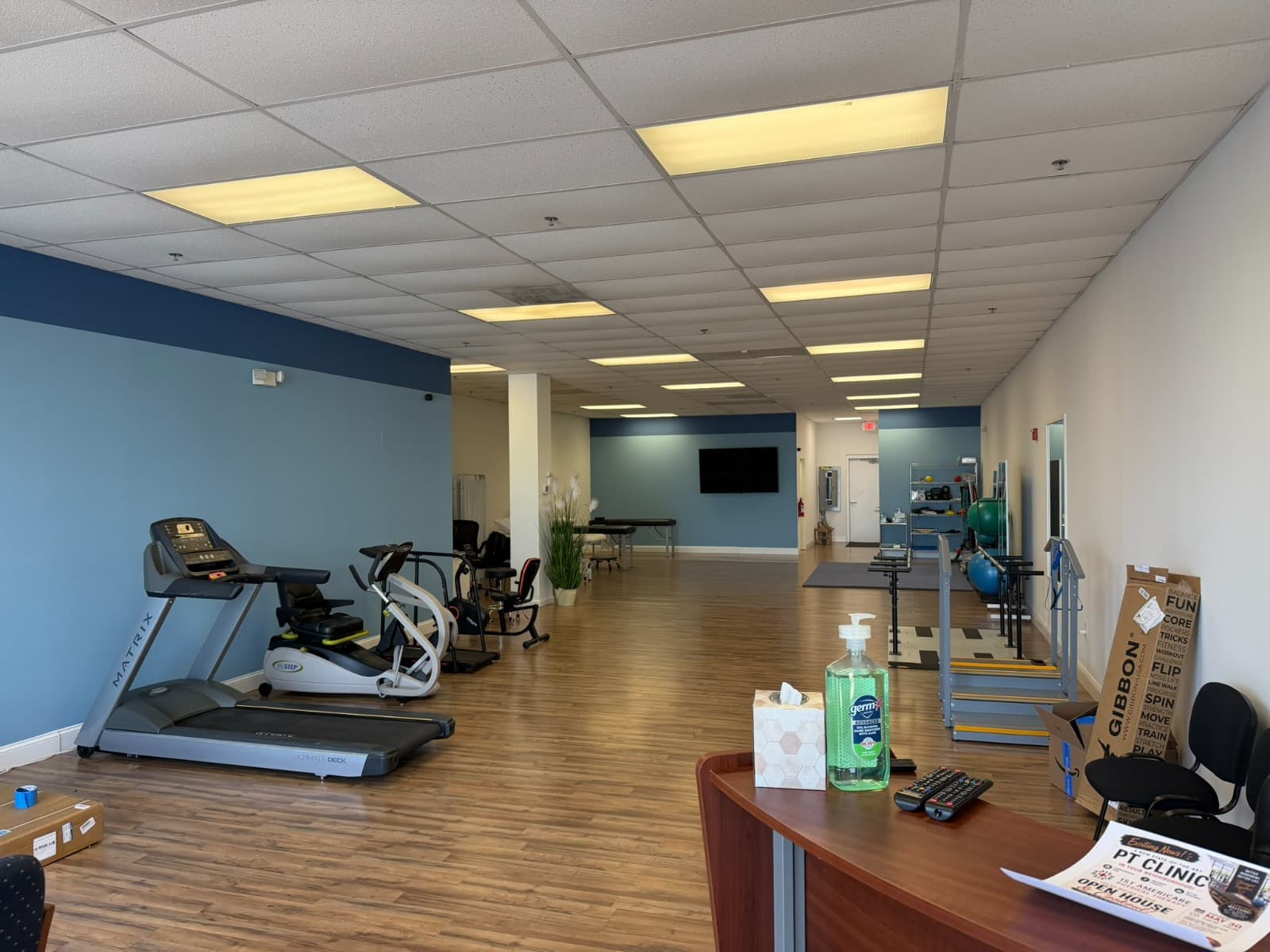
At Americare Physical Therapy in Sterling, VA, physical therapy may be an important part of care for people experiencing vertigo, dizziness, and balance problems. Vestibular rehabilitation focuses on helping you move more comfortably and safely while addressing symptoms that may be affecting your balance and everyday activities.
If dizziness or vertigo is making normal activities more difficult, a physical therapy evaluation can help determine whether vestibular rehabilitation may be appropriate for you.
01 / Condition care
What Is Vertigo?
Vertigo is a sensation that you or your surroundings are moving when you are actually still. Many people describe it as feeling like the room is spinning, tilting, or shifting.
Vertigo is different from simply feeling lightheaded. It can be related to problems involving the vestibular system, which plays an important role in helping your brain understand where your body is in relation to your surroundings.
Symptoms can sometimes appear suddenly, particularly when changing positions or moving the head. In other cases, dizziness and balance problems may continue or return over time.
Because there are different possible causes of vertigo, understanding your individual symptoms is an important first step before deciding on an appropriate treatment approach.
02 / Condition care
Common Symptoms of Vertigo
Vertigo can affect people in different ways. Some people experience brief episodes, while others may have symptoms that interfere with everyday movement.
Common symptoms may include:
- A spinning sensation
- Feeling dizzy or unsteady
- Difficulty maintaining balance
- Feeling uncomfortable when turning your head
- Difficulty walking confidently
- Nausea
- Symptoms when getting in or out of bed
- Dizziness when changing positions
- Difficulty moving through visually busy environments
- Feeling less confident during everyday activities
These symptoms can make people avoid certain movements because they are concerned about becoming dizzy or losing their balance.
If vertigo or dizziness is affecting your ability to move comfortably, physical therapy may be worth discussing with a qualified healthcare professional.
03 / Condition care
What Causes Vertigo?
Vertigo can have different causes, which is why there is not one treatment that is appropriate for everyone.
One common condition associated with vertigo is benign paroxysmal positional vertigo, also known as BPPV. BPPV can cause brief episodes of vertigo when certain changes in head position occur.
Other vestibular problems may also contribute to dizziness, balance difficulties, or problems with movement.
Your symptoms, medical history, movement patterns, and other factors can help a healthcare professional understand what may be contributing to your symptoms.
An appropriate evaluation is important because dizziness can have many possible causes. Physical therapy may be appropriate for some people, while others may need evaluation or care from another healthcare professional.
04 / Condition care
BPPV Physical Therapy
BPPV is one condition that may respond well to appropriate physical therapy when it is correctly identified.
People with BPPV often experience short episodes of spinning when they change the position of their head. This can happen when rolling over in bed, getting up, lying down, or looking in certain directions. BPPV Physical Therapy may involve an assessment of positional symptoms and appropriate treatment techniques based on the findings of the evaluation.
If you are searching for BPPV Treatment in Sterling VA, an evaluation can help determine whether your symptoms are consistent with BPPV and whether physical therapy is an appropriate option.
Because dizziness can have different causes, it is important not to assume that every episode of vertigo is BPPV. Your symptoms should be evaluated before choosing a treatment approach.
05 / Condition care
What Is Vestibular Rehabilitation?
Vestibular Rehabilitation is a specialized area of physical therapy that focuses on problems involving dizziness, balance, movement, and the body's ability to respond to changes in position.
Your vestibular system works together with your eyes, muscles, joints, and brain to help you maintain balance and understand movement. When this system is not working properly, everyday activities can become more difficult.
Vestibular rehabilitation may address areas such as:
- Balance
- Walking stability
- Eye and head coordination
- Tolerance to movement
- Body awareness
- Confidence with everyday activities
- Symptoms associated with certain head movements
Vestibular Rehabilitation for Vertigo is individualized. The exercises and treatment approach depend on your symptoms, evaluation findings, functional needs, and goals.
The purpose is not simply to treat a symptom in isolation. The focus is on helping you move more safely and comfortably during the activities that matter to you.
06 / Condition care
How Physical Therapy Can Help With Vertigo
Physical Therapy for Vertigo may help address some of the physical problems that can accompany dizziness and vestibular disorders.
Depending on your individual needs, treatment may focus on improving balance, walking stability, coordination, movement tolerance, and confidence during everyday activities. For someone who feels unsteady while walking, treatment may focus on safe movement and balance. For someone who experiences symptoms with head movement, the therapist may evaluate how movement affects those symptoms and determine an appropriate rehabilitation approach.
Physical Therapy for Dizziness and Balance Problems is not the same for every patient. Your treatment plan should be based on your symptoms and the findings of your evaluation.
The goal is to help you understand your condition and work toward improved function in a safe and appropriate way.
07 / Condition care
What to Expect During a Vertigo Physical Therapy Evaluation
Your first appointment is an opportunity to discuss what you have been experiencing and how your symptoms affect your everyday life.
Your physical therapist may ask about:
- When your dizziness or vertigo started
- What movements trigger your symptoms
- How long episodes usually last
- Whether you experience balance problems
- Previous injuries or medical conditions
- Activities that have become difficult
- How your symptoms affect your daily routine
The physical therapist may also assess areas such as balance, walking, eye and head movement, positional symptoms, and functional movement.
The exact evaluation will depend on your symptoms and individual circumstances.
After the evaluation, your therapist can discuss the findings with you and explain whether vestibular rehabilitation or another physical therapy approach may be appropriate.
08 / Condition care
Vertigo Treatment at Americare Physical Therapy
Vertigo Treatment should begin with understanding the individual rather than simply treating a diagnosis.
At Americare Physical Therapy, the goal of an evaluation is to better understand your symptoms and how they affect your movement and daily activities. Based on the findings, your physical therapist can develop an individualized rehabilitation approach when physical therapy is appropriate. Treatment may focus on areas such as balance, movement, walking, coordination, and tolerance to activities that may currently trigger symptoms.
For people looking for Vertigo Physical Therapy Sterling VA or Vestibular Therapy Sterling VA, receiving an appropriate evaluation can be an important step toward understanding your symptoms and determining what type of care may be suitable.
Your rehabilitation plan may change as your symptoms and functional abilities change. The goal is to support progress that is appropriate for your individual needs rather than following a one size fits all approach.
09 / Condition care
Who May Benefit From Physical Therapy for Vertigo?
A physical therapy evaluation may be appropriate for people experiencing:
- Recurrent dizziness
- Positional vertigo
- Balance difficulties
- Unsteadiness while walking
- Dizziness associated with head movement
- Vestibular related symptoms
- BPPV
- Difficulty returning to normal activities because of dizziness or balance concerns
If your symptoms are affecting your confidence or making everyday activities more difficult, discussing them with a healthcare professional can help you understand your options.
10 / Condition care
When Should You See a Physical Therapist for Vertigo?
You may want to consider an evaluation if dizziness or vertigo continues to return, affects your balance, or makes normal activities more difficult.
However, not every cause of dizziness should be managed through physical therapy. Sudden or severe dizziness accompanied by symptoms such as weakness, difficulty speaking, fainting, severe headache, chest pain, or other concerning symptoms may require immediate medical attention.
If you are unsure about the cause of your symptoms, speak with an appropriate healthcare professional before beginning treatment.
11 / Condition care
Frequently Asked Questions About Vertigo Physical Therapy
Can physical therapy help with vertigo?
Physical therapy may help some people with vertigo, depending on the underlying cause. Vestibular rehabilitation can address balance, movement, and other symptoms associated with certain vestibular conditions.
What is vestibular rehabilitation?
Vestibular rehabilitation is a specialized form of physical therapy that addresses problems involving dizziness, balance, movement, and coordination. Treatment is individualized according to the patient's symptoms and evaluation.
What is BPPV?
BPPV, or benign paroxysmal positional vertigo, is a condition that can cause brief episodes of spinning when certain head positions or movements trigger symptoms.
How does BPPV physical therapy work?
BPPV Physical Therapy begins with an appropriate evaluation to determine whether symptoms are consistent with BPPV. When appropriate, a trained physical therapist may use specific treatment techniques based on the evaluation findings.
How long does vertigo treatment take?
The amount of treatment needed varies from person to person. It depends on the cause of the symptoms, their severity, how long they have been present, and how the individual responds to treatment.
Can physical therapy help with dizziness and balance problems?
Physical Therapy for Dizziness and Balance Problems may help address balance, walking stability, movement tolerance, and other functional difficulties depending on the underlying cause.
What happens during a vestibular rehabilitation evaluation?
Your physical therapist may discuss your symptoms and medical history and assess areas such as balance, walking, eye and head movement, positional symptoms, and functional movement.
When should I seek help for vertigo?
If vertigo or dizziness is recurring, affecting your balance, or interfering with daily activities, consider discussing your symptoms with a healthcare professional to determine the appropriate next step.
A personalized next step
Schedule a physical therapy evaluation.
Contact Americare Physical Therapy to discuss your symptoms and whether physical therapy may be appropriate for you.
Schedule an Evaluation