Condition guide
Tennis Elbow Treatment in Sterling, VA
Personalized Physical Therapy to Reduce Elbow Pain, Restore Arm Function, and Help You Return to Everyday Activities
You do not have to play tennis to develop tennis elbow.
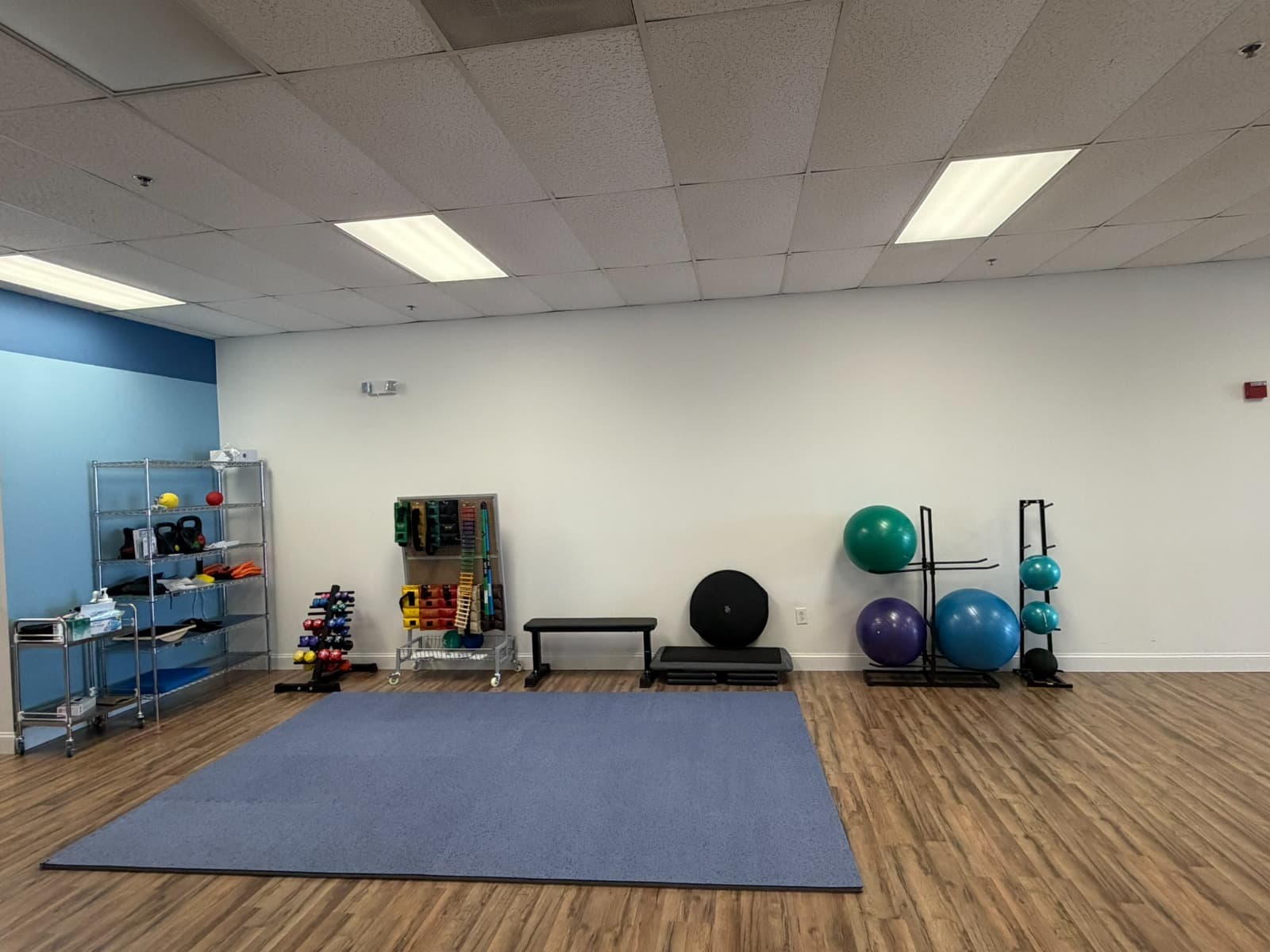
Care centered on your life
Tennis elbow is a common condition that can affect anyone whose daily work, hobbies, exercise, or household activities repeatedly place stress on the muscles and tendons on the outside of the elbow. It can affect office workers, tradespeople, healthcare workers, gardeners, mechanics, parents, musicians, recreational athletes, and people who perform frequent gripping or lifting.
You may first notice a mild ache on the outside of your elbow. Over time, that discomfort may become more noticeable when you shake hands, open a jar, carry a grocery bag, lift a cup of coffee, use a screwdriver, type, or grip an object. For some people, the pain develops gradually. For others, it follows a sudden increase in an activity that requires repeated gripping or wrist movement.
The medical term commonly used for tennis elbow is lateral epicondylitis, although lateral elbow tendinopathy is often a more clinically appropriate description because the condition is not simply an acute inflammation of the tendon. Tennis elbow involves the tendons and muscles responsible for extending the wrist and fingers, particularly where these tissues attach near the outside of the elbow. The condition is associated with repetitive loading of these tissues and can lead to pain, tenderness, reduced grip strength, and difficulty performing everyday activities. APTA's clinical practice guideline specifically addresses lateral elbow pain and muscle-function impairments associated with lateral elbow tendinopathy. (APTA)
At 1st Americare Physical Therapy, our goal is to identify what is contributing to your elbow symptoms and develop an individualized rehabilitation plan to help reduce pain, improve strength and movement, and restore your ability to use your arm confidently.
Our clinic is located in Sterling, Virginia, and serves patients from Sterling and surrounding communities, including Ashburn, Herndon, Reston, Leesburg, Potomac Falls, Cascades, Countryside, and Dulles.
01 / Condition care
What Is Tennis Elbow?
Tennis elbow is a condition involving pain and dysfunction around the outside of the elbow, usually involving the tendons that attach the forearm extensor muscles to the outer portion of the elbow. These muscles help you:
- Extend your wrist
- Straighten your fingers
- Grip objects
- Stabilize your wrist while lifting
- Control your hand during everyday activities
The tissues around the elbow are designed to tolerate normal movement and loading.
Problems can arise when the amount of repetitive stress placed on these tissues exceeds their current capacity to tolerate that load. This can happen after:
- Repetitive gripping
- Repeated lifting
- Frequent wrist movements
- Manual work
- Gardening
- Racquet sports
- Repetitive computer or mouse use
- A sudden increase in exercise
- Repeated household tasks
Despite the name, tennis elbow is not limited to tennis players.
Tennis elbow as an overuse condition involving the forearm muscles and tendons and notes that repeated motions can damage these tissues over time, resulting in pain and tenderness around the elbow.
02 / Condition care
Why Is It Called Tennis Elbow?
The name comes from the fact that the condition can occur in people who play tennis, particularly when repetitive gripping and wrist movements place stress on the forearm muscles. However, tennis is only one possible source of repetitive loading. You can develop tennis elbow without ever playing tennis.
For example, you may develop symptoms after:
- Painting a room
- Gardening
- Using hand tools
- Carrying heavy bags
- Lifting a child repeatedly
- Working at a computer
- Performing manual labor
- Repetitive assembly work
- Playing another recreational sport
- Repeatedly gripping or twisting objects
So if you are searching for tennis elbow treatment in Sterling, VA even though you have never played tennis, your symptoms can still be consistent with lateral elbow tendinopathy.
03 / Condition care
Common Symptoms of Tennis Elbow
Tennis elbow usually causes symptoms around the outside of the elbow, although discomfort may extend into the forearm. You may experience:
- Pain on the outside of the elbow
- Tenderness around the outer elbow
- Aching in the forearm
- Pain when gripping objects
- Pain when lifting
- Pain when shaking hands
- Pain when opening jars
- Pain when turning a doorknob
- Pain when using tools
- Pain when extending your wrist
- Reduced grip strength
- Difficulty carrying objects
- Pain when lifting a cup or bottle
- Discomfort when typing or using a mouse
- Pain after repetitive activity
- Stiffness or soreness after activity
The symptoms may initially be mild and occur only during particular activities. Without appropriate management, however, the discomfort may begin affecting ordinary daily tasks.
04 / Condition care
What Does Tennis Elbow Feel Like?
People often describe tennis elbow as:
A sharp pain when gripping or lifting.
Others describe it as: A dull ache that remains around the outside of the elbow after activity.
You may notice that the pain becomes worse when you:
- Make a fist
- Shake someone's hand
- Pick up a pan
- Carry groceries
- Lift a suitcase
- Use a screwdriver
- Turn a key
- Open a jar
- Pick up your laptop
- Lift your child
- Play a racquet sport
The pain may be particularly noticeable when the wrist is extended while you are gripping something.
05 / Condition care
What Causes Tennis Elbow?
Tennis elbow is generally associated with repetitive loading of the muscles and tendons on the outside of the elbow.
It is not necessarily caused by one major injury.
Instead, symptoms may develop when the demands placed on the tendon repeatedly exceed its ability to tolerate and adapt to those demands. Common contributing activities include:
Repetitive Gripping
Repeatedly gripping tools, sporting equipment, household objects, or other items can place stress on the forearm muscles.
Repetitive Wrist Extension
Frequent movements involving lifting or extending the wrist can increase the demand on the involved tissues.
Repetitive Lifting
Repeatedly lifting objects especially with the wrist extended may aggravate symptoms.
Sudden Increase in Activity
You may develop symptoms after doing substantially more of an activity than your body is accustomed to.
For example:
You spend several weekends gardening after doing very little gardening during the winter or you suddenly begin a new home-improvement project or you increase your tennis practice from once a week to several sessions per week.
Occupational Repetition
Certain jobs require hundreds or thousands of repeated hand and wrist movements each day.
This may include:
- Construction
- Plumbing
- Carpentry
- Painting
- Manufacturing
- Food preparation
- Healthcare
- Housekeeping
- Landscaping
- Warehouse work
06 / Condition care
Is Tennis Elbow an Inflammation Problem?
The name lateral epicondylitis can make it sound as though tennis elbow is simply inflammation of the tendon. However, chronic lateral elbow tendinopathy is more accurately understood as a condition involving changes in the tendon and its ability to tolerate load. That distinction matters because successful rehabilitation is generally not based simply on trying to "get rid of inflammation."
Instead, treatment commonly focuses on appropriately managing load and gradually rebuilding the capacity of the involved muscles and tendons.
This is one reason strengthening is an important component of rehabilitation.
AAOS's therapeutic exercise program for epicondylitis specifically describes stretching and strengthening the muscles attached to the affected tendon and emphasizes gradually improving muscle endurance and resistance to repetitive stress.
07 / Condition care
Risk Factors for Tennis Elbow
Several factors may increase the likelihood of developing lateral elbow tendinopathy.
Repetitive Hand and Wrist Activities
Activities involving frequent gripping, lifting, twisting, or wrist movement can repeatedly load the forearm.
Manual Work
People whose jobs involve tools, lifting, assembly, or repetitive hand movements may be exposed to frequent elbow and forearm loading.
Racquet Sports
Tennis and other racquet sports can involve repeated gripping and wrist movements.
Sudden Changes in Activity
A sudden increase in workload can place more stress on tissues than they are prepared to handle.
Poor Technique
In certain activities, inefficient movement mechanics may increase the demand placed on the elbow and forearm.
Reduced Strength or Conditioning
If the muscles are not accustomed to a particular workload, a sudden increase in activity may be more difficult to tolerate.
Repetitive Computer Work
Computer and mouse use may contribute to symptoms in some individuals, particularly when combined with prolonged or repetitive wrist and hand positioning.
However, computer use should not automatically be blamed for every case of tennis elbow.
08 / Condition care
How Can Physical Therapy Help Tennis Elbow?
Physical therapy can play an important role in the conservative management of lateral elbow tendinopathy.
APTA's clinical practice guideline for lateral elbow pain addresses assessment, prognosis, differential diagnosis, and interventions for adults with lateral elbow tendinopathy.
At Americare Physical Therapy, treatment begins with a thorough evaluation rather than assuming that every case of outer-elbow pain is tennis elbow.
Your therapist may evaluate:
- Pain location
- Grip strength
- Wrist strength
- Elbow movement
- Shoulder function
- Forearm movement
- Activity-related symptoms
- Work demands
- Previous injuries
- Functional limitations
Treatment may then include a combination of:
- Therapeutic exercise
- Progressive strengthening
- Mobility exercises
- Activity modification
- Manual therapy when appropriate
- Functional retraining
- Ergonomic education
- Home exercise
- Gradual return to activity
09 / Condition care
Progressive Strengthening
Strengthening is one of the most important components of rehabilitation for many people with tennis elbow.
The objective is not simply to make your arm stronger. It is to gradually increase the ability of the muscles and tendon to tolerate the activities that previously caused pain. Your therapist may progressively work on:
- Wrist extension strength
- Wrist flexion strength
- Forearm strength
- Grip strength
- Shoulder strength
- Upper-extremity endurance
The starting level should depend on your symptoms and current capacity. As your tolerance improves, the resistance and complexity of exercises can gradually increase. AAOS provides a structured exercise program for epicondylitis that progresses wrist-extension strengthening in stages and emphasizes gradual increases in resistance and repetitions.
Do not copy an exercise program from the internet simply because you have been told you have tennis elbow. Your symptoms may have another cause, and the correct loading strategy depends on your examination.
10 / Condition care
Eccentric and Controlled Strengthening
Your therapist may incorporate exercises that emphasize controlled muscle loading.
For example, the wrist extensor muscles can be trained through carefully controlled movements designed to gradually increase their ability to tolerate force.
This type of loading can be particularly useful when a tendon has become sensitive to repetitive activity. The important principle is progressive loading, not simply performing a large number of repetitions.
11 / Condition care
Grip Strength Training
Tennis elbow can make gripping painful. You may notice difficulty:
- Opening jars
- Carrying bags
- Holding tools
- Using a racket
- Carrying a suitcase
- Picking up household objects
Your physical therapist may assess your grip strength and gradually incorporate grip exercises into your rehabilitation. The timing and intensity should be individualized. The goal is to restore your ability to grip without repeatedly aggravating the elbow.
12 / Condition care
Wrist and Forearm Mobility
Your wrist and forearm work closely with your elbow. Reduced mobility or poor movement control in the wrist, forearm, or elbow can influence how forces are distributed during activity. Your therapist may therefore evaluate and address:
- Wrist mobility
- Forearm rotation
- Elbow movement
- Muscle flexibility
- Upper-extremity movement patterns
Mobility exercises may be incorporated where clinically appropriate.
13 / Condition care
Manual Therapy
Hands-on treatment may sometimes be used as part of a broader rehabilitation program. Depending on your examination, manual therapy may be directed toward:
- Soft-tissue mobility
- Joint mobility
- Reducing short-term pain or stiffness
- Improving movement
However, manual therapy should not be viewed as the entire solution. For a tendon-related problem, restoring the tissue's ability to tolerate activity through appropriately progressed exercise is an important part of long-term rehabilitation.
14 / Condition care
Activity Modification
One of the most important parts of treating tennis elbow is understanding how much load your elbow can currently tolerate. You may not need to stop everything. Instead, your therapist can help you determine how to modify activities such as:
- Lifting
- Gardening
- Tool use
- Computer work
- Household chores
- Racquet sports
- Exercise
- Repetitive work
For example, you may need to temporarily reduce the amount of repetitive gripping rather than completely stop using your arm. As your capacity improves, activity can be gradually increased.
15 / Condition care
Ergonomic and Work-Related Education
If your tennis elbow is related to your occupation, simply treating the elbow without addressing the work demands may not solve the problem. Your therapist may help you evaluate:
- How you grip tools
- How frequently you perform repetitive tasks
- How much force you use
- Wrist position
- Workstation setup
- Break frequency
- Lifting technique
- Tool selection
- Workload progression
The goal is to reduce unnecessary stress while improving your physical capacity to perform your job.
16 / Condition care
Home Exercise Program
Your rehabilitation continues between appointments. A personalized home program may include:
- Mobility exercises
- Wrist strengthening
- Forearm strengthening
- Grip strengthening
- Stretching
- Shoulder strengthening
- Functional exercises
The exercises should progress as your symptoms and capacity change. AAOS notes that structured exercise programs for epicondylitis may be continued for several weeks and eventually transitioned into maintenance exercises once recovery has progressed.
17 / Condition care
How Long Does Tennis Elbow Take to Improve?
Recovery varies significantly from person to person. Some people improve relatively quickly after modifying the activity that triggered their symptoms and beginning an appropriate rehabilitation program.
Others have symptoms that persist for months. Factors that can affect recovery include:
- How long you have had symptoms
- The severity of the condition
- Your daily workload
- Whether the aggravating activity can be modified
- Your strength and conditioning
- How consistently you perform your rehabilitation program
- Other medical conditions
- Whether another condition is contributing to your symptoms
AAOS's therapeutic exercise guidance describes a 6- to 12-week exercise program for epicondylitis, but that should not be interpreted as a guaranteed recovery time for every patient. Your individual recovery timeline should be determined based on your examination and progress.
18 / Condition care
Can Tennis Elbow Get Better Without Surgery?
Yes. Many people with lateral elbow tendinopathy can be managed without surgery. Conservative treatment commonly focuses on:
- Appropriate activity modification
- Progressive strengthening
- Mobility
- Gradual return to normal activity
- Education
- Functional rehabilitation
Surgery is generally not the first step for uncomplicated tennis elbow. However, persistent symptoms may require further medical assessment to confirm the diagnosis and consider additional treatment options.
19 / Condition care
Is Tennis Elbow the Same as a Torn Tendon?
Not necessarily. Tennis elbow involves dysfunction of the tendon and surrounding tissues, but the term does not automatically mean that the tendon has completely torn. A person can have significant pain without having a complete tendon tear. Conversely, structural tendon changes can sometimes exist without severe pain. This is why symptoms, examination findings, functional limitations, and when medically indicated imaging need to be interpreted together.
20 / Condition care
Can Tennis Elbow Come Back?
Yes. If the activities that contributed to the problem return faster than your elbow's capacity to tolerate them, symptoms can recur. This is why successful rehabilitation should not stop at pain reduction. The long-term objective is to help you build enough capacity to handle the demands of:
- Work
- Exercise
- Hobbies
- Household activities
- Sports
- Repetitive tasks
Your physical therapist can also teach you how to gradually increase activity instead of making sudden jumps in workload.
21 / Condition care
When Should You See a Physical Therapist for Tennis Elbow?
Consider a physical therapy evaluation if you have:
- Persistent pain on the outside of your elbow
- Pain when gripping objects
- Pain when lifting
- Reduced grip strength
- Difficulty using your hand normally
- Pain that returns whenever you resume activity
- Elbow pain that interferes with work
- Pain affecting household activities
- Difficulty exercising because of elbow pain
- Symptoms that have not improved with simple activity modification
- Recurrent elbow pain
Early evaluation can help determine whether your symptoms are consistent with lateral elbow tendinopathy or whether another condition should be considered.
22 / Condition care
What Happens During a Tennis Elbow Physical Therapy Evaluation?
Your first appointment should involve more than simply pressing on the painful area.
Your physical therapist may ask about:
- When the pain started
- Whether it developed gradually or suddenly
- Your occupation
- Sports and recreational activities
- Repetitive tasks
- Recent changes in workload
- Previous elbow injuries
- Neck or shoulder symptoms
- Numbness or tingling
- Grip-related limitations
- What activities make the pain worse
- What activities make it better
Your therapist may assess:
- Elbow range of motion
- Wrist movement
- Forearm rotation
- Grip strength
- Wrist strength
- Shoulder function
- Pain with resisted movements
- Tenderness
- Functional movement
- Neurological signs where appropriate
The purpose is not simply to confirm "tennis elbow."
It is to determine what is actually causing your symptoms and whether physical therapy is the appropriate treatment.
APTA's lateral elbow clinical practice guideline includes differential diagnosis and clinical assessment as key components of managing lateral elbow pain.
23 / Condition care
When Should You Seek Immediate Medical Attention?
Most tennis elbow symptoms are not an emergency. However, some elbow symptoms should not be treated as routine tendinopathy.
Seek urgent medical attention if:
You have significant trauma
If your elbow pain follows a major fall, collision, or other significant injury, you may need medical evaluation for a fracture, dislocation, or other structural injury.
Your elbow is visibly deformed
A visible deformity following an injury requires prompt medical evaluation.
You suddenly lose the ability to move your arm
Significant loss of movement after an injury should be evaluated.
You develop severe swelling
Significant or rapidly developing swelling, particularly following trauma, warrants medical assessment.
You experience sudden significant weakness
Sudden weakness may indicate a nerve or other medical problem rather than an uncomplicated tennis elbow.
24 / Condition care
Tennis Elbow With Numbness or Tingling
Classic tennis elbow primarily involves pain and tenderness around the outside of the elbow. Numbness and tingling are not typical defining features of tennis elbow.
If you experience:
- Numbness
- Tingling
- Burning
- Significant weakness
- Loss of sensation
- Symptoms extending into the hand
your symptoms may involve a nerve rather than only the tendon.
For example, radial tunnel syndrome can produce symptoms that overlap with tennis elbow, and the two conditions can sometimes occur together. AAOS specifically notes that radial tunnel syndrome can cause symptoms similar to lateral epicondylitis. This is one reason a proper evaluation matters.
25 / Condition care
Elbow Pain With Fever, Redness, or Heat
Seek prompt medical evaluation if the elbow becomes:
- Hot
- Red
- Significantly swollen
- Extremely painful
particularly if you also have:
- Fever
- Chills
- Feeling generally unwell
These symptoms can indicate infection or another inflammatory condition and should not automatically be treated as tennis elbow.
26 / Condition care
Why Choose 1st Americare Physical Therapy for Tennis Elbow?
Choosing a physical therapy clinic is about more than finding a location close to home.
You want someone who understands how your elbow problem affects your work, hobbies, household activities, and quality of life. At 1st Americare Physical Therapy in Sterling, VA, our approach emphasizes personalized rehabilitation designed around the individual patient.
The clinic describes its care model as focused on one-on-one attention, guided exercise, hands-on treatment, strengthening, and functional mobility care.
27 / Condition care
One-on-One Attention With Your Physical Therapist
One of Americare's important differentiators is its emphasis on one-on-one attention.
This matters for tennis elbow because the amount and type of loading your arm can tolerate may change throughout recovery.
Your physical therapist can closely observe how you grip, lift, perform exercises, whether your symptoms are improving and therefore, your treatment can then be adjusted based on your progress.
28 / Condition care
Evidence-Informed Conservative Care
At Americare, rehabilitation for tennis elbow can incorporate evidence-informed approaches such as:
- Progressive strengthening
- Grip strengthening
- Mobility exercises
- Activity modification
- Functional retraining
- Patient education
- Manual therapy when appropriate
- Home exercise
29 / Condition care
Serving Sterling and Nearby Northern Virginia Communities
1st Americare Physical Therapy is located at:
23520 Overland Dr #128 Sterling, VA 20166 (Americare Physical Therapy)
Patients may travel to the Sterling clinic from surrounding communities, including:
- Sterling
- Ashburn
- Herndon
- Reston
- Leesburg
- Potomac Falls
- Cascades
- Countryside
- Dulles
If you're searching for:
Tennis elbow physical therapy in Sterling, VA
Tennis elbow treatment near Ashburn
Lateral elbow pain treatment near Herndon
Tennis elbow rehabilitation near Leesburg
Americare provides a convenient Sterling location for patients throughout the surrounding Northern Virginia area.
30 / Condition care
Frequently Asked Questions
What is tennis elbow?
Tennis elbow, commonly called lateral elbow tendinopathy or lateral epicondylitis, is a condition involving pain and dysfunction around the outside of the elbow, usually involving the tendons of the forearm extensor muscles. It is commonly associated with repetitive gripping, lifting, or wrist movements.
Do you have to play tennis to get tennis elbow?
No. The name refers to one activity that can contribute to the condition, but tennis elbow can affect people who have never played tennis. Repetitive gripping and wrist movements at work, at home, during exercise, or while performing hobbies can also contribute.
Can physical therapy help tennis elbow?
Yes. Physical therapy can help many people with lateral elbow tendinopathy by addressing strength, mobility, load tolerance, activity modification, and functional limitations. Treatment should be individualized based on the patient's examination and goals.
What exercises are good for tennis elbow?
Exercises commonly used in rehabilitation may include wrist and forearm strengthening, grip exercises, stretching, and progressive loading. However, the right exercise and starting intensity depend on your symptoms and current capacity. AAOS provides a structured exercise program for epicondylitis involving progressive wrist strengthening and stretching. It is better to have your program individualized than to perform a generic internet exercise routine.
Should I stop using my arm if I have tennis elbow?
Not necessarily. Complete rest is not always the best long-term strategy. Your physical therapist can help determine which activities need temporary modification and how to gradually rebuild your ability to tolerate them.
How long does tennis elbow take to heal?
Recovery varies. Some people improve within several weeks, while others experience symptoms for several months. The duration depends on factors such as symptom duration, workload, severity, physical capacity, and adherence to rehabilitation. AAOS's therapeutic exercise guidance describes a 6- to 12-week program, but this is not a guaranteed recovery timeline for every patient.
Can tennis elbow go away on its own?
Some cases improve with appropriate activity modification and time. However, persistent or recurring symptoms may benefit from professional evaluation. A physical therapist can help determine what may be contributing to the problem and develop a structured plan for restoring strength and activity tolerance.
Is tennis elbow the same as golfer's elbow?
No. Tennis elbow generally affects the outside of the elbow, while golfer's elbow generally affects the inside of the elbow. They involve different tendon groups, although both can be associated with repetitive loading.
Why does my tennis elbow hurt when I grip something?
Gripping activates the forearm muscles that attach near the outside of the elbow. When these tissues are sensitive to loading, gripping can reproduce pain.
This is one reason grip strength and load tolerance are commonly assessed during a tennis elbow evaluation.
Can tennis elbow cause weakness?
Yes. Pain can make gripping and lifting more difficult, and some people experience reduced grip strength. Restoring strength and gradually increasing the arm's ability to tolerate load are important parts of rehabilitation.
Can tennis elbow cause numbness?
Numbness is not a defining symptom of tennis elbow. If you experience numbness, tingling, burning, or significant weakness, another condition involving a nerve may need to be considered.
Radial tunnel syndrome, for example, can produce symptoms that overlap with tennis elbow.
Do I need an MRI for tennis elbow?
Not necessarily. Many cases can be evaluated clinically through your history and physical examination.
Imaging may be considered when symptoms are unusual, severe, persistent, associated with significant trauma, or when another diagnosis needs to be investigated.
Can tennis elbow require surgery?
Sometimes, but surgery is not generally the first treatment for an uncomplicated tennis elbow.
Most rehabilitation begins with conservative management. If symptoms remain persistent despite appropriate treatment, further medical evaluation may be appropriate to discuss other options.
Can tennis elbow come back after treatment?
Yes. Recurrence can occur if the demands placed on the elbow increase faster than the tissues can tolerate.
Progressive strengthening, appropriate workload management, and gradual return to activity can help build greater tolerance.
Can I return to tennis after tennis elbow?
In many cases, the goal of rehabilitation is to help you return to the activities you enjoy, including tennis.
Your return should be gradual and based on your pain, strength, functional capacity, and ability to tolerate progressively greater demands.
31 / Condition care
Take the First Step Toward Better Elbow Health
Tennis elbow can start with something as simple as picking up a coffee cup.
Over time, however, that small discomfort can begin affecting your work, hobbies, exercise, household responsibilities, and everyday independence.
You don't necessarily need to stop using your arm completely.
The goal of rehabilitation is to help you understand what is irritating the elbow, manage the amount of stress placed on it, and progressively rebuild the strength and capacity needed for normal activity.
At 1st Americare Physical Therapy in Sterling, VA, we take a personalized approach to musculoskeletal rehabilitation.
Your treatment can be built around your symptoms, your physical abilities, your daily demands, and your goals.
Ready to Get Started?
Schedule Your Tennis Elbow Physical Therapy Evaluation at 1st Americare Physical Therapy
Whether your elbow pain started from repetitive work, household activity, exercise, gardening, racquet sports, or another activity, our team can evaluate your symptoms and determine whether physical therapy is appropriate for you.
Serving patients from Sterling and nearby communities, including Ashburn, Herndon, Reston, Leesburg, Potomac Falls, Cascades, Countryside, and Dulles.
Move Better. Build Strength. Get Back to What You Do.
Contact 1st Americare Physical Therapy today to schedule your evaluation.
Medical disclaimer: This page provides general educational information and is not intended to diagnose or treat an individual condition or replace advice from a physician or other qualified healthcare professional. Elbow pain can have many causes. Significant trauma, deformity, severe swelling, sudden weakness, loss of movement, numbness, or other concerning symptoms require appropriate medical evaluation.
A personalized next step
Schedule a physical therapy evaluation.
Contact Americare Physical Therapy to discuss your symptoms and whether physical therapy may be appropriate for you.
Schedule an Evaluation