Condition guide
Stroke Rehabilitation
Recovering from a stroke can be a challenging experience for both patients and their families. Changes in strength, balance, coordination, walking, and everyday movement can make activities that once felt simple more difficult. The right rehabilitation plan can help you work toward greater mobility, confidence, and independence.
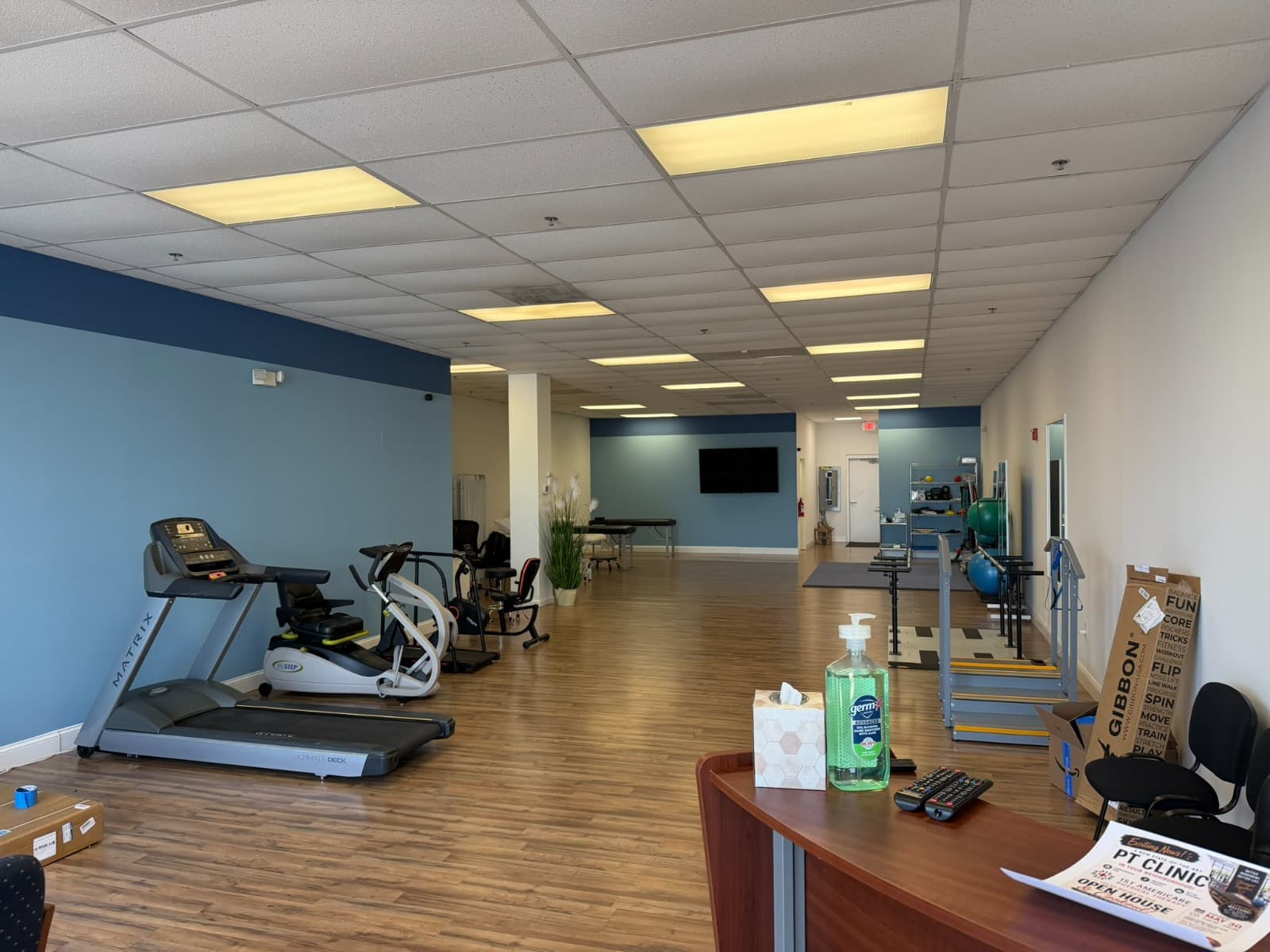
Care centered on your life
At Americare PT, our stroke rehabilitation approach focuses on your individual needs, abilities, and recovery goals. Physical therapy after stroke can help address movement difficulties, improve physical function, and make everyday activities safer and more manageable.
Every stroke is different, and every recovery is different. Your therapy program should reflect that. Our goal is to understand where you are today, identify areas where therapy may help, and create a personalized plan that supports your progress.
If you or a loved one is looking for stroke rehabilitation in Sterling, VA, our team can help you understand your options and take the next step toward recovery.
01 / Condition care
What Is Stroke Rehabilitation?
Stroke rehabilitation is a process designed to help people regain or improve physical abilities that may have been affected by a stroke. Depending on the individual, rehabilitation may focus on walking, balance, strength, coordination, mobility, and the ability to perform everyday movements.
A stroke can affect different parts of the brain, which means its effects can vary significantly from one person to another. Some people may experience weakness on one side of the body. Others may have difficulty walking, maintaining balance, transferring from a chair to a bed, or performing routine movements.
Stroke rehabilitation therapy is designed around these individual challenges.
Physical therapy is one part of the broader rehabilitation process. A physical therapist can assess movement and physical function, identify areas that may benefit from therapy, and develop exercises and activities based on the patient's needs and goals.
The purpose is not to follow a standard routine. It is to provide treatment that is appropriate for the individual.
02 / Condition care
How Can Physical Therapy Help After a Stroke?
Physical therapy after stroke can focus on helping patients improve movement and function. The specific treatment approach depends on the patient's condition, abilities, and goals.
Your therapist may work with you on areas such as:
- Improving strength
- Improving balance
- Practicing walking and mobility
- Improving coordination
- Developing safer movement patterns
- Practicing transfers between sitting and standing
- Improving functional movement
- Supporting greater independence with everyday activities
For some patients, the goal may be to improve walking. For others, therapy may focus on becoming more confident when standing, moving around the home, or completing daily activities.
Stroke physical therapy can also help patients and caregivers understand safer ways to move and perform activities.
Progress may happen gradually. Your therapist can monitor how you respond to treatment and adjust your program as your abilities change.
03 / Condition care
What Does Stroke Rehabilitation Therapy Involve?
Stroke rehabilitation therapy begins with understanding you as an individual.
During an initial evaluation, your physical therapist may assess areas such as strength, balance, coordination, mobility, walking ability, and functional movement. Your therapist will also discuss your concerns and goals.
This information helps create a treatment plan that is appropriate for your current abilities.
Depending on your needs, your stroke rehabilitation program may include:
Movement Training
Movement activities can help you practice specific physical tasks in a controlled environment. Your therapist can guide you through movements that are appropriate for your current level of ability.
Balance Training
Balance difficulties can affect confidence and increase the risk of falls. Therapy may include activities designed to help you work on balance and body control.
Walking and Mobility Training
If a stroke has affected your walking ability, your therapist may work with you on walking patterns, movement control, transfers, and other mobility skills.
Strengthening Exercises
Weakness can make everyday activities more difficult. Appropriate strengthening exercises may help support better physical function and make certain movements easier.
Coordination and Functional Training
Stroke recovery physical therapy may include activities that help you practice movements needed for everyday life. The focus is on helping you work toward meaningful functional goals.
Your treatment program can change as you progress. Exercises and activities that are appropriate at one stage of recovery may be adjusted as your abilities improve.
04 / Condition care
Who Can Benefit From Stroke Rehabilitation?
Physical therapy for stroke patients may be helpful for people experiencing physical difficulties following a stroke.
You may benefit from an evaluation if you are experiencing:
- Difficulty walking
- Weakness
- Balance problems
- Reduced coordination
- Difficulty standing or transferring
- Reduced mobility
- Difficulty with everyday movements
- Challenges returning to normal physical activities
Stroke rehabilitation can be appropriate at different stages of recovery. Some patients may begin therapy soon after their stroke, while others may seek additional support later in their recovery.
The right approach depends on your individual situation. An evaluation can help determine whether physical therapy is appropriate and what areas of movement may benefit from treatment.
05 / Condition care
What to Expect During Your Stroke Rehabilitation Program
Starting physical therapy after a stroke can feel overwhelming, especially if you are unsure about what will happen during your first visit.
Your rehabilitation process generally begins with an evaluation. Your therapist will learn more about your medical history, current abilities, physical challenges, and personal goals.
The therapist will then use this information to develop an individualized treatment plan.
During your sessions, you may work through guided exercises and functional activities based on your needs. Your therapist will monitor your movement and progress and make adjustments when appropriate.
Your program may focus on practical goals that matter to your daily life.
For example, you may want to feel more confident walking around your home, improve your ability to stand from a chair, or become more comfortable moving through your daily routine.
These goals can help give your therapy a clear direction.
Your therapist may also provide guidance about exercises or activities that can be performed at home when appropriate. Following your recommended program consistently can help you stay engaged with your rehabilitation between appointments.
06 / Condition care
Stroke Recovery Is Different for Everyone
There is no single timeline for stroke recovery. Some people may notice changes relatively quickly, while others may require more time and continued rehabilitation. Recovery can depend on many factors, including the effects of the stroke, overall health, physical abilities, and individual response to rehabilitation.
It is important not to compare your recovery with someone else's.
Your progress should be measured against your own abilities and goals.
Even small improvements can be meaningful. Being able to stand with greater confidence, walk a little farther, perform a movement more safely, or complete an everyday activity with less assistance can represent important progress.
A personalized rehabilitation program can help identify these goals and provide a structured way to work toward them.
Physical therapy cannot guarantee a particular outcome, but it can provide professional guidance and support as you work through your recovery.
07 / Condition care
Why Choose Americare PT for Stroke Rehabilitation?
Choosing a physical therapy clinic after a stroke is an important decision. You want a team that takes the time to understand your situation and provides care based on your individual needs.
At Americare PT, our approach to rehabilitation focuses on personalized care, patient education, functional goals, and thoughtful treatment planning.
Rather than assuming every patient needs the same approach, therapy should take into account your current abilities and the activities that are important to you.
Our goal is to help you understand your treatment and feel involved in the rehabilitation process.
We also recognize that stroke recovery can involve family members and caregivers. Clear communication and education can help everyone better understand the rehabilitation process and the goals being worked toward.
If you are looking for stroke rehabilitation in Sterling, VA, our team can discuss your concerns, evaluate your physical needs, and help determine the next appropriate step.
08 / Condition care
Frequently Asked Questions About Stroke Rehabilitation
What is stroke rehabilitation?
Stroke rehabilitation is a process that helps individuals work on physical abilities that may have been affected by a stroke. Physical therapy may focus on strength, balance, coordination, walking, mobility, and functional movement.
When should physical therapy begin after a stroke?
The timing of rehabilitation depends on the individual's medical condition and recommendations from their healthcare team. Your healthcare provider and rehabilitation professionals can help determine when physical therapy is appropriate.
How does physical therapy help stroke patients?
Physical therapy may help patients work on strength, balance, coordination, walking, mobility, transfers, and other functional movements. Treatment is adjusted according to each person's needs and abilities.
How long does stroke rehabilitation take?
There is no standard timeline for stroke rehabilitation. Recovery varies from person to person. Your therapist can monitor your progress and adjust your treatment plan as your abilities and goals change.
Can physical therapy help improve walking after a stroke?
Walking difficulties are common after a stroke. Physical therapy may include walking and mobility training designed around your individual abilities and goals.
What happens during a stroke rehabilitation session?
A session may include guided movement activities, strengthening exercises, balance training, walking practice, coordination activities, and functional training. The specific activities depend on your treatment plan.
Can I receive stroke rehabilitation as an outpatient?
Outpatient physical therapy may be appropriate for some individuals following a stroke. Your healthcare team can help determine what type of rehabilitation setting is appropriate for your situation.
How can I find stroke rehab near me?
If you are searching for stroke rehab near me in Sterling, VA, you can contact Americare PT to discuss your rehabilitation needs and schedule an evaluation.
A personalized next step
Schedule a physical therapy evaluation.
Contact Americare Physical Therapy to discuss your symptoms and whether physical therapy may be appropriate for you.
Schedule an Evaluation