Condition guide
Sports Injuries and Physical Therapy
A sports injury can happen in an instant, but the effects can last much longer. A twisted ankle, painful knee, strained muscle, or shoulder injury can make it difficult to do the activities you enjoy. Even when the pain starts to improve, you may still feel weakness, stiffness, or uncertainty about returning to your sport.
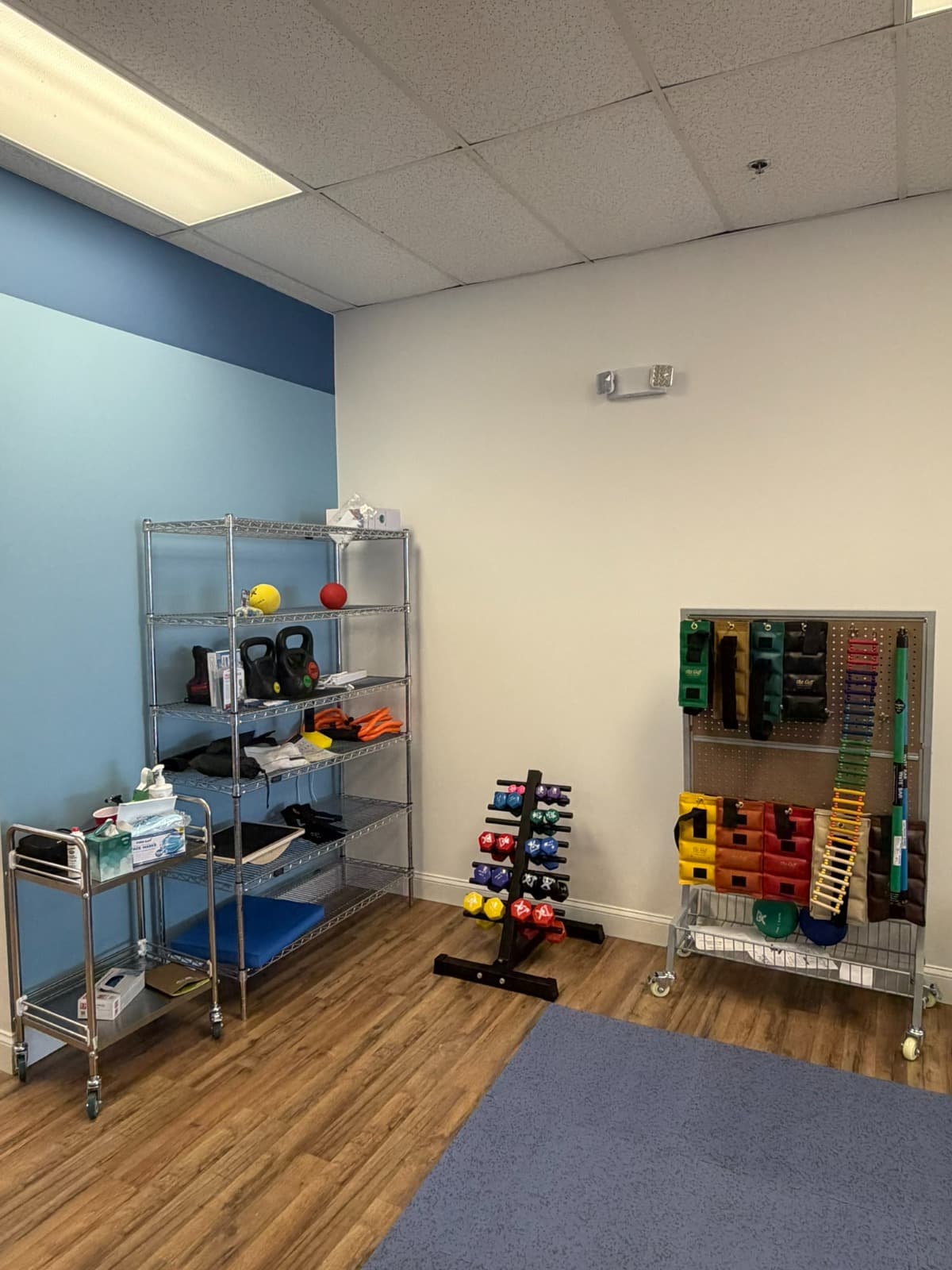
Care centered on your life
At Americare Physical Therapy, physical therapy for sports injuries focuses on helping you move better, rebuild strength, and safely return to the activities that matter to you. Your treatment can be tailored to your injury, your activity level, and your personal recovery goals.
If you are looking for sports injury physical therapy in Sterling, VA, a professional evaluation can help you better understand your condition and determine the appropriate next steps for your recovery.
01 / Condition care
What Are Sports Injuries?
Sports injuries are injuries that can occur during sports, exercise, training, recreational activities, or other forms of physical activity. They can affect muscles, joints, tendons, ligaments, and other parts of the body.
Some injuries happen suddenly. Others develop gradually because of repeated stress or overuse.
Common causes of sports injuries include:
- Sudden impact or collision
- Falls or awkward landings
- Repetitive movements
- Overuse
- Muscle weakness
- Limited flexibility
- Poor movement patterns
- Returning to activity too quickly
An injury does not only affect your ability to participate in sports. Depending on its severity and location, it may also affect walking, climbing stairs, working, sleeping, or completing everyday activities.
02 / Condition care
Common Sports Injuries We Treat
Sports injuries can affect almost any part of the body. The type of injury and the activities you participate in can influence your symptoms and recovery needs.
Common sports injuries may include:
Sprains and Strains
Sprains affect ligaments, while strains affect muscles or tendons. They can happen when a joint moves beyond its normal range or when a muscle is stretched or loaded too quickly.
Knee Injuries
Knee injuries are common among runners, athletes, and people involved in activities that require jumping, cutting, or sudden changes in direction. Knee pain can sometimes be related to the muscles and movement patterns around the hip, knee, and ankle.
Shoulder Injuries
Activities involving throwing, lifting, or repetitive overhead movements can place significant demands on the shoulder. Pain, stiffness, or weakness may make it difficult to participate in sports or perform everyday activities.
Ankle Injuries
Ankle sprains and other ankle problems can occur during running, jumping, or sudden changes in direction. Even after pain improves, weakness or reduced balance can remain.
Hamstring Injuries
Hamstring strains are common in activities that involve sprinting or rapid acceleration. Returning to activity before adequate strength and flexibility have been restored may increase the risk of another problem.
Tennis Elbow
Tennis elbow can cause pain around the outside of the elbow and may develop from repetitive gripping or arm movements. Despite its name, it can affect people who do not play tennis.
Achilles Tendon Injuries
The Achilles tendon connects the calf muscles to the heel. Repetitive running and jumping can place stress on this area and may contribute to pain or irritation.
Other conditions that may require sports injury treatment include hip injuries, lower back injuries, shin splints, running-related injuries, and injuries involving the knee or shoulder.
03 / Condition care
When Should You See a Physical Therapist for a Sports Injury?
Not every ache after exercise means you have a serious injury. However, persistent or worsening symptoms should not be ignored.
You may benefit from a professional evaluation if you experience:
- Pain that does not improve
- Swelling around a joint
- Reduced range of motion
- Muscle weakness
- Difficulty walking or running
- Pain while exercising
- Difficulty performing normal activities
- Repeated injuries
- Problems with balance
- Difficulty returning to your usual sport or activity
A physical therapist can evaluate how you move and identify areas of weakness, stiffness, or limited control that may be contributing to your symptoms.
Some injuries may require evaluation by another medical professional before physical therapy begins. When appropriate, your physical therapist can help determine whether further medical assessment may be needed.
04 / Condition care
How Can Sports Injury Physical Therapy Help?
The goal of physical therapy is not simply to make pain disappear. A successful recovery also involves restoring the movement, strength, control, and confidence needed to return to your normal activities.
Sports injury physical therapy may focus on:
- Reducing pain and discomfort
- Restoring mobility
- Improving muscle strength
- Building flexibility
- Improving balance
- Developing better movement control
- Improving coordination
- Building endurance
- Improving confidence with movement
- Preparing your body to return to activity
Your physical therapist can develop a treatment approach based on your current abilities and your individual goals.
For an athlete, that goal may be returning to competition. For someone who exercises recreationally, it may be getting back to running, cycling, lifting, or playing with their family without pain.
05 / Condition care
What to Expect From Sports Injury Treatment
Your first appointment will typically begin with an evaluation. Your physical therapist will want to understand what happened, what symptoms you are experiencing, what activities you want to return to, and how the injury is affecting your daily life.
Your movement, strength, flexibility, balance, and functional abilities may also be assessed.
Based on the evaluation, your treatment plan may include:
Therapeutic Exercises
Exercises can help rebuild strength, mobility, endurance, and control. Your exercises may change as your abilities improve.
Movement Training
Your physical therapist may look at how you walk, run, squat, jump, lift, or perform other movements related to your activities.
Balance and Coordination Training
Balance and coordination can be particularly important after injuries involving the ankle, knee, or other areas that affect movement control.
Manual Therapy
When appropriate, hands on techniques may be used as part of your treatment to support mobility and movement.
Home Exercises
Your recovery does not only happen inside the clinic. You may receive exercises or activities to perform at home as part of your rehabilitation program.
Progress Monitoring
Your treatment can be adjusted as your strength, mobility, and function improve. This allows your rehabilitation to progress according to your individual needs.
06 / Condition care
Sports Injury Rehabilitation and Returning to Activity
Feeling less pain is an important part of recovery, but it does not always mean that your body is ready to return to full activity.
Returning too quickly can place additional stress on an area that has not fully regained its strength or control.
Sports injury rehab may gradually work toward the movements and physical demands required by your activities. Depending on your needs, this can involve strengthening, balance exercises, functional movements, endurance work, and activity-specific training.
Your return to sport should be based on your individual progress rather than simply the number of days or weeks since the injury. The goal of sports rehabilitation is to help you regain the physical abilities and confidence needed to participate safely and comfortably.
07 / Condition care
Why Choose Sports Physical Therapy?
Every injury and every patient is different. Two people can experience similar symptoms but have very different recovery needs.
Working with a physical therapist for sports injuries allows your rehabilitation to focus on your specific condition, activity level, movement needs, and goals.
Whether you are a competitive athlete, a weekend runner, someone who enjoys going to the gym, or simply an active person who wants to get back to normal activities, your treatment should reflect what matters to you.
At Americare Physical Therapy, the focus is on personalized rehabilitation and helping patients understand their recovery process. Your physical therapy program can be adjusted as you progress and as your goals change.
08 / Condition care
Sports Injury Rehabilitation in Sterling VA
If you are searching for sports injury rehabilitation in Sterling VA, finding the right rehabilitation approach is an important part of getting back to the activities you enjoy.
Sports injuries can affect athletes of all ages and activity levels. You do not have to compete professionally to benefit from sports physical therapy. A recreational runner, gym enthusiast, student athlete, or active adult may all experience injuries that interfere with their normal routine.
Sports injury physical therapy in Sterling VA can help address the physical limitations that may be affecting your movement and activity.
The first step is understanding what is contributing to your symptoms and identifying an appropriate plan for moving forward.
09 / Condition care
Frequently Asked Questions About Sports Injuries
How long does it take to recover from a sports injury?
Recovery time varies depending on the type and severity of the injury, your overall health, your activity level, and how your body responds to treatment. Your physical therapist can help you understand your progress as your rehabilitation continues.
Can physical therapy help after a sports injury?
Physical therapy may help restore strength, mobility, balance, coordination, and functional movement following many types of sports injuries. Your treatment will depend on your individual condition and goals.
Do I need to stop exercising after a sports injury?
Not necessarily. The appropriate level of activity depends on the injury and your symptoms. Your physical therapist can help determine which activities may be appropriate during different stages of recovery.
When should I see a physical therapist for a sports injury?
Consider seeking an evaluation if pain continues, your movement is limited, you notice weakness, or you are having difficulty returning to your normal activities. A professional evaluation can help determine an appropriate rehabilitation approach.
Can physical therapy help prevent future sports injuries?
Physical therapy can address factors such as strength, flexibility, balance, movement control, and conditioning that may contribute to injury risk. Your therapist can recommend exercises and strategies based on your individual needs.
What happens during my first sports physical therapy appointment?
Your first appointment generally includes a discussion of your injury and goals, followed by a physical assessment. Your therapist can then develop a treatment plan based on your findings and your recovery needs.
Can I return to my sport while I am still in physical therapy?
Your return to activity depends on your injury, symptoms, strength, movement, and overall progress. Your physical therapist can help guide you through the process and determine when it is appropriate to gradually increase activity.
A personalized next step
Schedule a physical therapy evaluation.
Contact Americare Physical Therapy to discuss your symptoms and whether physical therapy may be appropriate for you.
Schedule an Evaluation