Condition guide
Parkinson’s Disease Physical Therapy in Sterling, VA
Personalized Neurological Rehabilitation to Help You Move With Greater Confidence and Independence
Parkinson’s disease is a progressive neurological condition that primarily affects movement, but its effects can extend far beyond tremor. People living with Parkinson’s may experience stiffness, slowed movement, changes in walking, balance difficulties, smaller steps, difficulty turning, freezing episodes, changes in posture, and reduced physical activity.
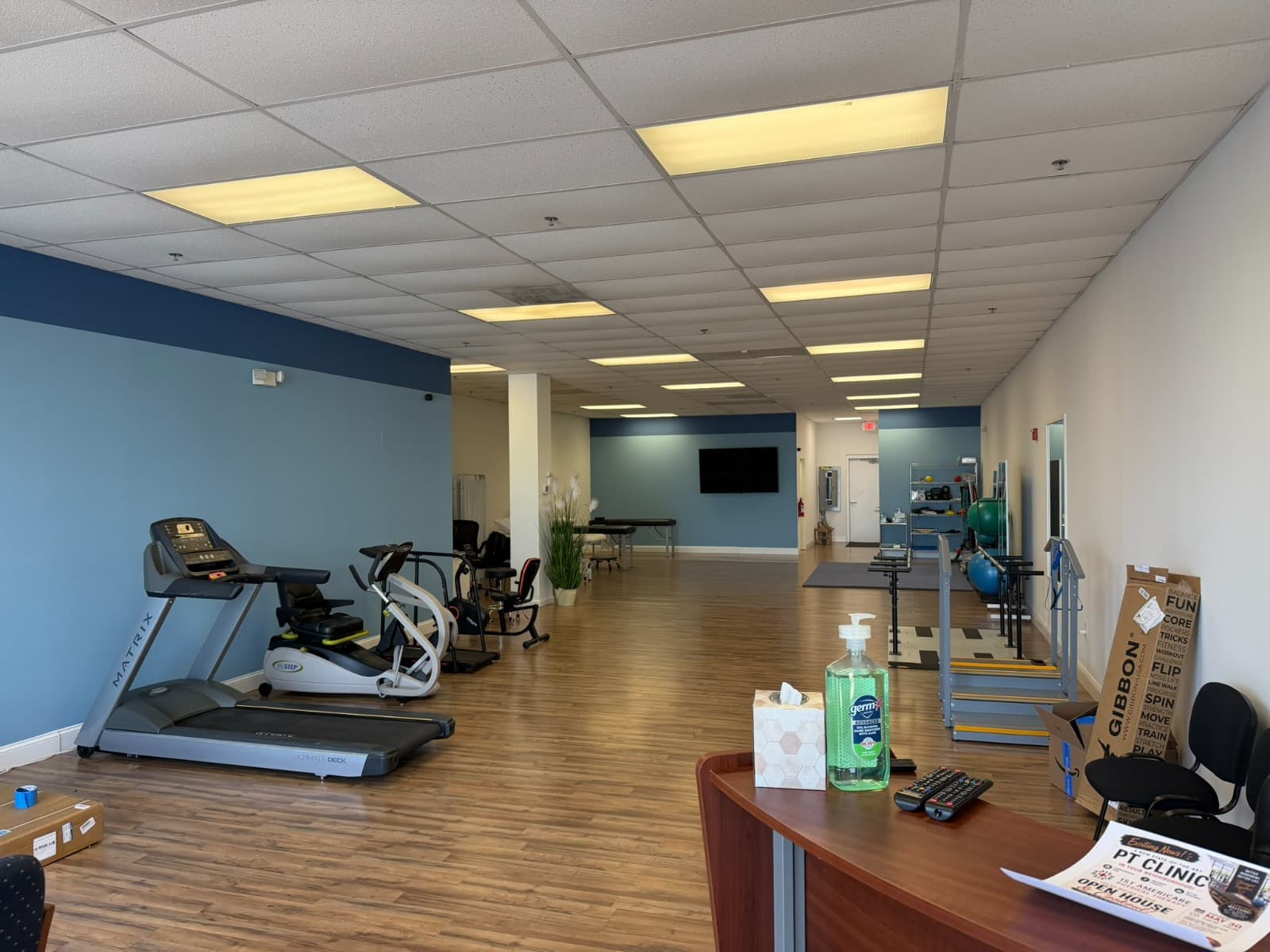
Care centered on your life
Over time, these changes can make everyday activities more difficult. Getting out of a chair, turning in bed, walking through a crowded store, climbing stairs, or getting in and out of a car may require more effort than before.
The good news is that physical therapy can play an important role in helping people with Parkinson’s remain active, mobile, safe, and independent.
At Americare Physical Therapy, our neurological physical therapy approach focuses on your individual movement challenges and functional goals. Treatment may address walking, balance, strength, flexibility, posture, mobility, coordination, endurance, and strategies for making everyday movements safer and easier.
Physical therapy does not cure Parkinson’s disease, and it does not replace neurological or medical care. Instead, it works alongside your medical treatment to help you maintain function and participate in the activities that matter to you. The Parkinson’s Foundation identifies physical therapy, exercise, and other rehabilitation therapies as important components of Parkinson’s care.
01 / Condition care
What Is Parkinson’s Disease?
Parkinson’s disease, often called PD, is a progressive neurological disorder that primarily affects the brain systems responsible for movement.
One of the major changes associated with Parkinson’s is the loss of dopamine-producing nerve cells in a part of the brain called the substantia nigra.
Dopamine is an important chemical messenger involved in controlling movement. As dopamine-producing neurons are lost, people may gradually develop problems with movement and coordination. Parkinson’s symptoms usually develop gradually rather than appearing suddenly, and the condition affects each person differently. Some people initially notice a tremor in one hand, while others first notice stiffness, smaller handwriting, changes in walking, reduced arm swing, or generally slower movement.
Parkinson’s can also cause symptoms that are not directly related to movement, including sleep problems, constipation, depression, anxiety, changes in thinking, fatigue, and other changes that may affect quality of life.
There is currently no cure for Parkinson’s disease, but treatment can help manage symptoms and support quality of life. Treatment commonly involves a combination of medication, exercise, physical therapy, occupational therapy, speech therapy, and other medical or supportive care depending on the individual's needs.
02 / Condition care
Who Develops Parkinson’s Disease?
Parkinson’s disease is more commonly diagnosed in adults over the age of 60, although younger people can develop the condition as well.
The Parkinson’s Foundation reports that approximately 4% of people with Parkinson’s are diagnosed before age 50, sometimes referred to as young-onset Parkinson’s disease.
Parkinson’s is not simply a normal part of aging.
While age is an important risk factor, Parkinson’s results from complex interactions involving genetic and environmental factors.
Importantly, Parkinson’s is not caused by something a person simply did wrong. In most cases, there is no single identifiable cause.
03 / Condition care
Common Symptoms of Parkinson’s Disease
Parkinson’s affects everyone differently. Symptoms can be mild in the beginning and become more noticeable over time.
Common movement-related symptoms include:
- Tremor, particularly when a limb is at rest
- Slowness of movement, known as bradykinesia
- Muscle stiffness or rigidity
- Smaller steps when walking
- Shuffling gait
- Reduced arm swing
- Difficulty initiating movement
- Difficulty turning
- Freezing while walking
- Balance problems
- Stooped posture
- Difficulty getting up from a chair
- Difficulty getting in and out of bed
- Reduced facial expression
- Changes in handwriting
- Reduced physical endurance
- Difficulty performing movements that once felt automatic
Not everyone with Parkinson’s experiences all of these symptoms.
04 / Condition care
Understanding Bradykinesia
One of the defining movement problems associated with Parkinson’s is bradykinesia, which means slowness of movement. A person may notice that everyday movements simply take longer. For example:
- Getting dressed takes longer.
- Buttoning a shirt becomes more difficult.
- Walking speed decreases.
- Steps become smaller.
- Turning requires more effort.
- Getting out of a chair becomes harder.
- Movements may feel less automatic.
Bradykinesia is more than simply "moving slowly." It can affect the size, speed, coordination, and initiation of movement. Physical therapy can help patients develop strategies for performing movements more effectively and safely.
05 / Condition care
Tremor
Tremor is one of the symptoms most commonly associated with Parkinson’s disease, although not everyone with Parkinson’s experiences significant tremor. Parkinsonian tremor often occurs when a limb is at rest and may decrease during purposeful movement. Tremor can affect:
- Hands
- Arms
- Legs
- Jaw
- Other parts of the body
Physical therapy does not directly cure the neurological cause of tremor, but therapy can address the functional problems that may accompany it, such as reduced mobility, weakness, balance difficulties, or difficulty completing everyday activities.
06 / Condition care
Rigidity and Stiffness
Rigidity refers to increased muscle stiffness or resistance to movement. You may notice:
- Stiffness in the neck
- Tightness through the shoulders
- Reduced trunk rotation
- Difficulty turning
- Stiffness when getting out of bed
- Reduced flexibility
- Changes in posture
This stiffness can affect walking and other everyday movements. Physical therapy may incorporate mobility exercises, flexibility training, active movement, strengthening, posture training, and functional movement practice.
07 / Condition care
Changes in Walking
Walking may gradually change as Parkinson’s progresses. A person may begin taking:
- Smaller steps
- Slower steps
- Less symmetrical steps
- Fewer arm swings
Turning may also become more difficult. Some people develop freezing of gait, where the feet temporarily feel as though they are stuck to the floor even though the person wants to move forward. Freezing may occur:
- When starting to walk
- When turning
- In narrow spaces
- Near doorways
- In crowded environments
- When approaching an obstacle
- When changing direction
These walking difficulties can increase fall risk. Physical therapy can teach movement strategies and external cueing techniques that may help some people initiate and maintain walking more effectively. APTA specifically identifies gait training and external cueing among the physical-therapy approaches addressed in Parkinson disease clinical guidance.
08 / Condition care
Balance Problems and Falls
Balance difficulties may become increasingly important as Parkinson’s progresses. You may feel unsteady when:
- Turning
- Walking on uneven ground
- Getting up from a chair
- Climbing stairs
- Walking in crowded spaces
- Walking in low-light environments
- Changing direction
- Performing two activities at once
A history of falls or near-falls should always be taken seriously. Physical therapy can assess balance and identify factors contributing to instability. Treatment may include balance training, gait training, strengthening, functional movement practice, and strategies designed to reduce fall risk.
09 / Condition care
What Causes Parkinson’s Disease?
The exact cause of Parkinson’s disease is not fully understood. Researchers believe Parkinson’s develops through a combination of genetic, environmental, and other biological factors.
Genetic factors appear to contribute to a portion of cases. The Parkinson’s Foundation estimates that genetics account for approximately 10–15% of Parkinson’s cases, although genetic contributions can vary depending on the population and specific genetic factors involved.
Researchers have also investigated environmental factors, including certain pesticide exposures and previous head injury.
However, having a particular risk factor does not mean someone will necessarily develop Parkinson’s disease. For most people, there is no single cause that can be identified.
10 / Condition care
Risk Factors for Parkinson’s Disease
Researchers have identified several factors associated with increased risk.
These include:
Age
The likelihood of developing Parkinson’s generally increases with age.
Family History and Genetics
Having a family member with Parkinson’s may increase risk, although most people with Parkinson’s do not have a simple inherited form of the disease.
Environmental Exposures
Researchers continue to investigate environmental factors, including pesticide exposure.
Previous Head Injury
Certain types of head injury have been associated with Parkinson’s risk, although the relationship is complex.
Sex
Parkinson’s is more commonly diagnosed in men than women. It is important to remember that risk factors do not determine an individual's outcome.
11 / Condition care
How Can Physical Therapy Help With Parkinson’s Disease?
Physical therapy is not a cure for Parkinson’s disease. Instead, the goal is to help you move as effectively, safely, and independently as possible as your condition changes.
The Parkinson’s Foundation recommends physical therapy as part of Parkinson’s care and notes that PT can address walking, balance, posture, strength, flexibility, pain, and everyday mobility. At Americare Physical Therapy, treatment may focus on several important areas.
Improving Walking
Your physical therapist may assess your walking pattern and work with you on:
- Step length
- Walking speed
- Arm swing
- Turning
- Starting and stopping
- Navigating obstacles
- Walking while changing direction
- Freezing strategies
The objective is to make walking safer and more efficient.
Gait Cueing
Some people with Parkinson’s respond to external cues that help them initiate or maintain movement. Depending on your individual needs, cueing strategies may involve:
- Visual cues
- Auditory cues
- Rhythmic cues
- Verbal cues
- Environmental strategies
Your therapist can determine which strategies are appropriate for you.
12 / Condition care
Improving Balance
Balance training can help address instability and reduce the risk associated with falls. Exercises may challenge:
- Weight shifting
- Postural control
- Standing balance
- Walking balance
- Turning
- Direction changes
- Stepping strategies
- Functional mobility
The difficulty can be progressed gradually as your abilities improve.
13 / Condition care
Improving Strength
Muscle weakness can make movement more difficult. Strengthening may target:
- Legs
- Hips
- Core
- Back
- Shoulders
- Upper extremities
The exercises are selected according to your abilities, medical status, and functional goals.
14 / Condition care
Improving Flexibility and Mobility
Parkinson’s-related stiffness can contribute to reduced movement. Therapy may include exercises designed to maintain:
- Spinal mobility
- Hip mobility
- Shoulder movement
- Trunk rotation
- Lower-extremity flexibility
Maintaining mobility can make everyday tasks easier.
15 / Condition care
Improving Posture
A forward-flexed or stooped posture can occur in Parkinson’s disease. Physical therapy may address:
- Trunk extension
- Spinal mobility
- Shoulder positioning
- Core strength
- Postural awareness
- Functional posture during walking and standing
The goal is not simply to "sit up straight," but to help you maintain functional alignment during everyday activities.
16 / Condition care
Improving Functional Mobility
Physical therapy can address movements you perform every day. For example:
Getting Out of a Chair
Therapy may work on the strength, forward weight shift, and movement strategy required to stand safely.
Getting Out of Bed
You may learn strategies for moving more efficiently in bed and transitioning from lying to sitting.
Getting Into a Car
Your therapist can help you practice the movements required to enter and exit a vehicle safely.
Using Stairs
Stair training can help address strength, balance, coordination, and confidence.
Turning
Turning can be particularly challenging for people with Parkinson’s. Therapy may incorporate safe turning strategies and practice.
The Parkinson’s Foundation specifically identifies getting up from chairs, moving in bed, getting in and out of cars, using stairs, and navigating uneven ground as functional areas that physical therapy can address.
17 / Condition care
Exercise and Parkinson’s Disease
Regular physical activity is an important part of living well with Parkinson’s disease. Exercise can support:
- Mobility
- Strength
- Flexibility
- Balance
- Endurance
- Mood
- General physical health
- Independence
The Parkinson’s Foundation describes exercise as a vital component of Parkinson’s management, while APTA's clinical guidance includes aerobic, resistance, flexibility, balance, gait, and task-specific training. However, exercise should be individualized.
Someone who is newly diagnosed and physically active may have very different exercise needs from someone who has significant balance problems or a history of falls. Your physical therapist can help determine the appropriate intensity, type, frequency, and progression of exercise.
18 / Condition care
Can Physical Therapy Slow Parkinson’s Disease?
This is an important question and it deserves an accurate answer. Physical therapy and exercise can improve or maintain many aspects of physical function and may help manage Parkinson's symptoms. However, patients should be cautious about claims that physical therapy cures Parkinson’s or definitively stops the underlying neurological disease from progressing.
Current evidence supports exercise and rehabilitation for improving functional outcomes and managing symptoms, but whether particular exercise programs directly slow the biological progression of Parkinson’s remains an active area of research. APTA's Parkinson disease guideline discussion specifically notes the distinction between improving symptoms/function and proving an effect on disease progression. At Americare, our focus is therefore on what physical therapy can meaningfully help you do: move better, maintain strength, improve balance, stay active, reduce fall risk, and preserve independence.
19 / Condition care
When Should You See a Physical Therapist?
You do not necessarily need to wait until Parkinson’s significantly interferes with your daily life before seeing a physical therapist.
Early evaluation can establish a baseline and identify movement problems that may not yet be obvious. The Parkinson’s Foundation recommends physical therapy at all stages of Parkinson’s and notes that early referral can be valuable.
Consider a physical therapy evaluation if you notice:
- Increasing difficulty walking
- Smaller steps
- Slower movement
- Balance problems
- Frequent near-falls
- Falls
- Difficulty getting out of chairs
- Difficulty getting out of bed
- Increasing stiffness
- Reduced physical activity
- Difficulty turning
- Freezing episodes
- Declining endurance
- Changes in posture
- Fear of falling
- Difficulty participating in activities you previously enjoyed
Even if your symptoms are relatively mild, a baseline evaluation can help identify opportunities to maintain mobility and physical activity.
20 / Condition care
When Should You Seek Immediate Medical Attention?
Parkinson’s disease is generally a gradually progressive condition, so sudden changes should not automatically be assumed to be caused by Parkinson’s. Seek urgent medical attention for symptoms such as:
- Sudden weakness or numbness, especially on one side of the body
- Sudden facial drooping
- Sudden difficulty speaking or understanding speech
- Sudden severe confusion
- Sudden loss of vision
- Sudden severe dizziness or inability to walk
- A sudden severe headache unlike your usual headaches
- Loss of consciousness
- A serious fall resulting in significant injury
- Chest pain
- Severe shortness of breath
These symptoms may represent a separate medical emergency, including stroke or another acute condition. If you are unsure whether a sudden or severe symptom is related to Parkinson’s, seek medical evaluation rather than waiting for your next physical therapy appointment.
21 / Condition care
Why Choose Americare Physical Therapy for Parkinson’s Rehabilitation?
Living with Parkinson’s requires more than treating a single symptom. Your walking, balance, strength, flexibility, posture, endurance, and ability to perform everyday tasks are interconnected.
At Americare Physical Therapy in Sterling, VA, our neurological rehabilitation approach is designed around your individual abilities, symptoms, goals, and stage of recovery.
One-on-One Personalized Attention
At Americare, we emphasize one-on-one physical therapy care.
Your rehabilitation should not feel like you're simply being handed a list of exercises and left to figure them out yourself.
With individualized attention from your physical therapist, your treatment can be monitored and adjusted based on:
- How you move
- How you respond to exercise
- Your balance
- Your walking pattern
- Your fatigue level
- Your functional goals
- Your progress over time
Before publishing this statement, Americare should confirm the exact professional credentials of the clinician providing the service and use the legally accurate title throughout the website.
22 / Condition care
A Rehabilitation Plan Built Around Your Goals
Your goals may be completely different from another person with Parkinson’s. Perhaps your goal is to walk around your neighborhood without feeling unstable or get up from your favorite chair independently or keep playing with your grandchildren or to reduce your risk of falling or simply to remain independent for as long as possible. These goals matter. Physical therapy should therefore focus not only on clinical measurements but also on the activities that give your everyday life meaning.
23 / Condition care
Working Alongside Your Healthcare Team
Parkinson’s disease is best managed through coordinated care. Your healthcare team may include:
- Neurologist
- Movement disorder specialist
- Physical therapist
- Occupational therapist
- Speech-language pathologist
- Primary care physician
- Other specialists depending on your symptoms
Physical therapy does not replace neurological care. Instead, it complements medical treatment by focusing specifically on movement, mobility, balance, strength, physical activity, and functional independence.
The Parkinson’s Foundation emphasizes this team-based approach, with the person living with Parkinson’s at the center of care.
24 / Condition care
Parkinson’s Physical Therapy in Sterling, VA
If you're searching for Parkinson’s physical therapy in Sterling, VA, neurological rehabilitation in Sterling, or physical therapy for balance and walking problems near you, Americare Physical Therapy provides care from its Sterling location.
We serve patients from nearby communities, including:
- Sterling
- Ashburn
- Herndon
- Reston
- Leesburg
- Potomac Falls
- Cascades
- Countryside
- Dulles
Our goal is to provide personalized neurological rehabilitation close to home while helping patients remain active and independent.
25 / Condition care
Frequently Asked Questions About Parkinson’s Physical Therapy
Can physical therapy help someone with Parkinson’s disease?
Yes. Physical therapy can help address movement-related problems associated with Parkinson’s, including walking difficulties, balance problems, stiffness, weakness, reduced mobility, posture changes, and fall risk.
When should someone with Parkinson’s start physical therapy?
Physical therapy can be beneficial at any stage of Parkinson’s disease. Many experts encourage early evaluation because a physical therapist can establish a baseline, identify subtle movement problems, provide exercise guidance, and help develop strategies for maintaining mobility.
Can physical therapy help with Parkinson’s freezing?
Physical therapy may help some people develop strategies for managing freezing episodes. Treatment can include gait training and external cueing strategies. The appropriate approach depends on when freezing occurs and what triggers it.
Can physical therapy help prevent falls in Parkinson’s?
Physical therapy can address several factors associated with fall risk, including balance, walking, strength, mobility, turning, and functional movement. A therapist can also help identify situations that make you more likely to lose your balance and develop strategies for safer movement.
What exercises are best for Parkinson’s disease?
There is no single exercise program that is best for everyone. Depending on your abilities and symptoms, a program may incorporate aerobic activity, strengthening, flexibility, balance training, gait practice, and task-specific exercises. Your physical therapist can help determine the appropriate exercises and progression for you. APTA's Parkinson disease guidance addresses multiple exercise and training approaches rather than a single universal program.
Does physical therapy replace Parkinson’s medication?
No. Physical therapy and exercise complement medical management; they do not replace medication prescribed by your neurologist or physician. Parkinson’s treatment is individualized and may include medication, exercise, rehabilitation therapies, and other interventions depending on the person's symptoms and needs.
Can physical therapy help with Parkinson’s stiffness?
Physical therapy may help maintain mobility and address functional limitations associated with stiffness through movement, flexibility, strengthening, posture, and functional training. The appropriate treatment depends on the individual's symptoms and abilities.
Can Parkinson’s patients exercise?
In many cases, yes and regular physical activity is an important part of Parkinson’s management. However, exercise should be adapted to the person's abilities, medical status, balance, fall risk, and symptoms. A physical therapist can help create a safe and progressive exercise program.
Does Parkinson’s always cause tremors?
No. Although tremor is a well-known Parkinson’s symptom, not everyone with Parkinson’s develops significant tremor. Some people primarily experience slowness, stiffness, walking difficulties, balance problems, or other symptoms.
Does Parkinson’s get worse over time?
Parkinson’s is a progressive condition, meaning symptoms generally change and may worsen over time. However, progression varies considerably from one person to another.
Regular medical care, physical activity, exercise, rehabilitation, and appropriate symptom management can help people maintain function and quality of life.
Is Parkinson’s disease curable?
There is currently no cure for Parkinson’s disease. However, many treatments can help manage symptoms and support quality of life, including medication, exercise, physical therapy, occupational therapy, speech therapy, and other forms of care.
26 / Condition care
Take the Next Step Toward Better Movement and Greater Independence
A Parkinson’s diagnosis does not mean that you have to stop moving. With appropriate medical care, exercise, rehabilitation, and support, many people with Parkinson’s continue to work, exercise, travel, spend time with family, and participate in the activities they enjoy.
Physical therapy can help you understand your movement challenges and develop practical strategies for maintaining mobility and independence.
At Americare Physical Therapy in Sterling, VA, our goal is to provide individualized neurological rehabilitation that focuses on your movement, your goals, and your everyday life.
Ready to Get Started?
Schedule a Parkinson’s Physical Therapy Evaluation at Americare Physical Therapy.
Whether you're newly diagnosed, experiencing changes in walking or balance, recovering from a fall, or looking for help maintaining your mobility, our team can help determine how physical therapy may fit into your overall Parkinson’s care.
Americare Physical Therapy Sterling, VA
Serving patients throughout Sterling and surrounding Northern Virginia communities.
Move With Confidence. Stay Active. Maintain Your Independence.
Contact Americare Physical Therapy today to schedule an evaluation.
Medical disclaimer: This page provides general educational information and is not intended to diagnose, treat, or replace advice from your physician, neurologist, or other qualified healthcare professional. Parkinson’s disease affects each person differently. Your treatment plan should be individualized based on your medical history, symptoms, functional abilities, and healthcare team's recommendations.
A personalized next step
Schedule a physical therapy evaluation.
Contact Americare Physical Therapy to discuss your symptoms and whether physical therapy may be appropriate for you.
Schedule an Evaluation