Condition guide
Neck Pain Treatment in Sterling, VA
Personalized Physical Therapy to Reduce Neck Pain, Restore Movement, and Help You Get Back to Your Life
Neck pain is extremely common and can affect people of almost any age. It may begin after sleeping in an awkward position, spending hours at a computer, lifting something incorrectly, or being involved in a car accident. In other cases, neck pain develops gradually as a result of muscle tension, joint stiffness, age-related changes in the cervical spine, or repeated postural strain.
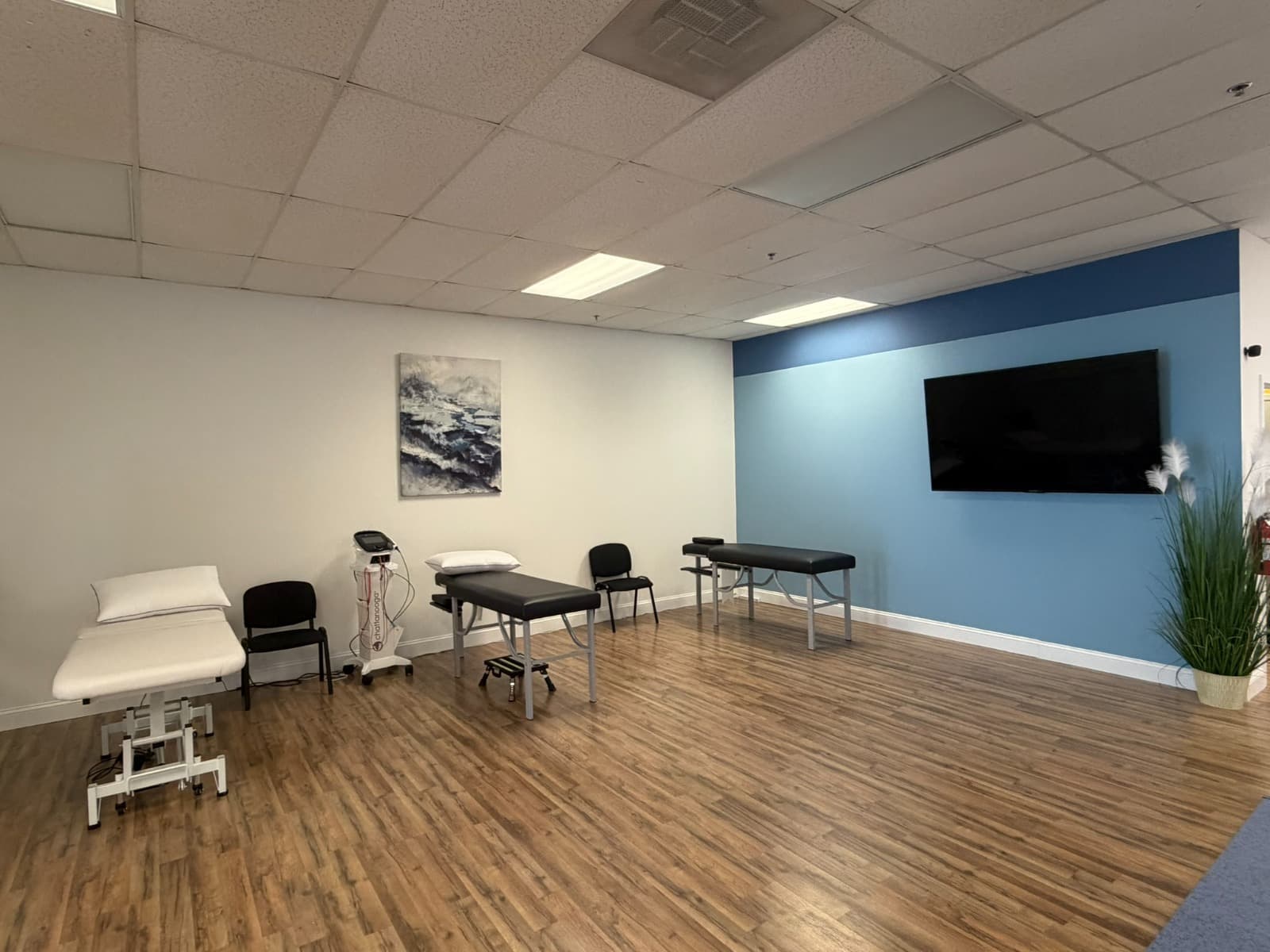
Care centered on your life
For some people, neck pain is a temporary annoyance that improves within a few days. For others, it can become persistent and interfere with sleep, work, driving, exercise, concentration, and everyday activities.
You may find yourself turning your entire body instead of your neck, avoiding certain movements, struggling to look over your shoulder while driving, or waking up with stiffness every morning. Neck pain can also sometimes extend into the shoulder, upper back, arm, or hand when nerves are irritated.
The good news is that many types of neck pain can be managed successfully with non-surgical care, including physical therapy.
At Americare Physical Therapy, our goal is to understand what is contributing to your neck pain and develop an individualized treatment plan to help you move more comfortably, restore strength and mobility, and return to the activities that matter to you.
Our physical therapy clinic is located in Sterling, Virginia, and we proudly serve patients from Sterling and nearby communities throughout Northern Virginia and Loudoun County, including Ashburn, Herndon, Reston, Leesburg, Potomac Falls, Cascades, Countryside, and Dulles.
Whether your neck pain is related to prolonged sitting, muscle strain, arthritis, cervical spondylosis, a previous injury, or another musculoskeletal problem, a physical therapy evaluation can help determine whether rehabilitation is appropriate for you.
01 / Condition care
What Is Neck Pain?
Neck pain refers to discomfort, stiffness, soreness, or reduced movement in the cervical spine, which is the upper portion of your spine located between your head and upper back. Your neck is made up of seven small vertebrae, along with discs, joints, muscles, ligaments, nerves, and other tissues that work together to support your head and allow you to move it in different directions. Your neck allows you to:
- Turn your head
- Look up and down
- Tilt your head from side to side
- Maintain your head over your shoulders
- Look over your shoulder while driving
- Perform activities involving your arms and upper body
Because the neck is highly mobile and constantly supporting the weight of your head, it can be affected by muscle tension, repetitive movements, injuries, joint changes, and poor movement patterns. Neck pain may develop suddenly or gradually.
For example, a person may develop sudden pain after a whiplash injury, while another may gradually develop stiffness after spending months working at a computer with poor ergonomics.
Neck pain may remain localized to the neck or may be accompanied by pain in the shoulders, upper back, arms, or hands. When symptoms travel into an arm or are accompanied by numbness, tingling, or weakness, the nerves in the neck may be involved. This may require a more detailed neurological assessment.
02 / Condition care
Common Symptoms of Neck Pain
Neck pain can feel different from person to person. You may experience:
- Aching or soreness in the neck
- Sharp pain with certain movements
- Neck stiffness
- Difficulty turning your head
- Reduced range of motion
- Muscle tightness
- Muscle spasms
- Pain between the neck and shoulders
- Upper-back discomfort
- Pain that worsens after prolonged sitting
- Pain when looking up or down
- Difficulty sleeping comfortably
- Headaches associated with neck discomfort
- Pain extending into the shoulder or arm
- Tingling or numbness in an arm or hand
- Weakness in an arm or hand
The location and behavior of your symptoms can provide important information about what may be contributing to your condition. For example, muscular neck pain may primarily produce localized soreness and stiffness, while irritation of a cervical nerve can cause symptoms that travel from the neck into the shoulder, arm, or hand.
03 / Condition care
What Causes Neck Pain?
Neck pain can have many causes. Sometimes there is a clear event that triggered it. In other cases, several factors contribute to symptoms over time.
Muscle Strain and Overuse
Neck muscles can become irritated or overloaded through repetitive activity. Common triggers include:
- Prolonged computer use
- Looking down at a phone
- Repetitive work
- Heavy lifting
- Poor sleeping positions
- Sudden increases in exercise
- Holding the head in one position for long periods
Muscle-related neck pain often causes soreness, tightness, and discomfort with movement.
Poor Posture and Prolonged Sitting
Modern work and technology habits can place significant demands on the neck. Spending hours:
- At a computer
- Looking down at a phone
- Driving
- Working from a laptop
- Sitting without changing position
can contribute to muscle fatigue and discomfort. Poor posture does not mean there is something permanently "wrong" with your spine. Rather, staying in the same position for long periods can place stress on tissues and reduce movement variety.
Physical therapy can help you develop better movement habits and improve the strength and mobility needed to tolerate daily activities.
04 / Condition care
Cervical Spondylosis and Age-Related Changes
As we age, the structures of the cervical spine naturally undergo changes. These may include changes to the spinal discs and facet joints, as well as the development of bone spurs.
The term cervical spondylosis is commonly used to describe age-related degenerative changes in the cervical spine. Importantly, imaging findings do not always explain a person's pain.
Some people have significant age-related changes on an X-ray or MRI but experience little or no pain. Others may experience significant symptoms with relatively modest imaging findings. For this reason, treatment decisions should consider your symptoms, physical examination, functional limitations, and overall health, and not an imaging report alone.
05 / Condition care
Whiplash and Neck Injuries
Whiplash is commonly associated with sudden acceleration and deceleration of the head and neck, such as during a motor vehicle collision. Symptoms may include:
- Neck pain
- Stiffness
- Headache
- Shoulder discomfort
- Reduced neck movement
- Muscle tenderness
- Dizziness or other symptoms
Following a significant accident, appropriate medical evaluation may be necessary before beginning physical therapy. Once serious injury has been ruled out and rehabilitation is appropriate, physical therapy can help restore movement, strength, and confidence.
06 / Condition care
Cervical Disc Problems
The discs between the vertebrae of the cervical spine provide cushioning and allow movement. A disc may bulge or herniate and, in some cases, irritate a nearby nerve. This may result in:
- Neck pain
- Shoulder pain
- Arm pain
- Tingling
- Numbness
- Weakness
Not every cervical disc problem requires surgery. Many patients with appropriate presentations can be managed initially with conservative care, although symptoms suggesting significant nerve or spinal cord involvement require appropriate medical assessment.
07 / Condition care
Cervical Radiculopathy
Cervical radiculopathy occurs when a nerve root in the neck becomes irritated or compressed. Unlike ordinary neck muscle soreness, cervical radiculopathy can cause symptoms that extend into the arm. Possible symptoms include:
- Neck pain
- Shoulder pain
- Arm pain
- Tingling
- Numbness
- Weakness
- Changes in sensation
Physical therapy may be appropriate for some people with cervical radiculopathy, depending on the examination findings. This is because neurological symptoms can have different causes, a thorough evaluation is important.
08 / Condition care
Risk Factors for Neck Pain
Certain factors may increase your likelihood of experiencing neck pain. These include:
Prolonged Computer or Desk Work
Long periods of sitting or working in one position can contribute to neck and upper-back discomfort.
Frequent Smartphone Use
Repeatedly looking downward at a phone can increase the amount of time your neck spends in a flexed position.
Physically Demanding Work
Jobs involving lifting, carrying, repetitive movements, or prolonged awkward positions may increase physical stress on the neck.
Previous Neck Injury
A previous injury may increase the likelihood of experiencing recurring symptoms.
Age
Age-related changes in the cervical spine become more common as we get older.
Stress
Stress can contribute to increased muscle tension and may influence how people experience persistent pain.
Reduced Physical Activity
A sedentary lifestyle can contribute to reduced strength and mobility.
Poor Sleep Position
Sleeping in an uncomfortable position may temporarily aggravate neck symptoms.
Risk factors do not necessarily mean that someone will develop chronic neck pain. They simply identify circumstances that may contribute to symptoms.
09 / Condition care
How Can Physical Therapy Help Neck Pain?
Physical therapy is a common non-surgical treatment option for many types of neck pain. At Americare Physical Therapy, treatment begins with understanding why your neck hurts and how the problem is affecting your movement and daily life.
Rather than giving every patient the same exercises, your physical therapist develops a program based on your individual examination and goals. Treatment may include:
Manual Therapy
Hands-on techniques may be used when appropriate to help improve mobility, reduce stiffness, and address soft-tissue restrictions.
Manual therapy is not intended to be a standalone treatment. It is often combined with active exercise and movement-based rehabilitation.
Current physical therapy education and evidence discussions emphasize individualized management that may combine manual therapy, therapeutic exercise, education, and behavior or activity modification depending on the patient's presentation.
10 / Condition care
Therapeutic Exercise
Exercise is an important component of rehabilitation for many neck-pain presentations. Depending on your needs, exercises may address:
- Neck mobility
- Upper-back mobility
- Shoulder strength
- Deep neck muscle control
- Postural endurance
- Scapular strength
- Core strength
- General conditioning
Your program should progress according to your symptoms and functional goals.
11 / Condition care
Improving Neck Mobility
Pain and stiffness can cause you to move your neck less. Over time, avoiding movement may contribute to further stiffness and loss of confidence. Your physical therapist may prescribe controlled mobility exercises designed to help restore comfortable movement. The objective is not to force your neck through painful ranges of motion. Instead, exercises are progressed gradually and appropriately.
12 / Condition care
Strengthening the Neck, Shoulders, and Upper Back
Your neck does not work independently. The muscles of your shoulders, upper back, trunk, and neck work together to support posture and movement. Strengthening these areas can help improve your ability to tolerate everyday activities. Depending on your needs, your therapist may work on:
- Shoulder blade control
- Upper-back strength
- Neck muscle endurance
- Rotator cuff strength
- Core stability
- Functional lifting strength
13 / Condition care
Postural and Ergonomic Education
Your physical therapist can help you identify positions and habits that may be contributing to your symptoms. This may include recommendations for:
- Computer monitor height
- Chair positioning
- Keyboard and mouse placement
- Smartphone use
- Driving posture
- Sleeping position
- Work breaks
- Lifting techniques
The goal is not to make you maintain one "perfect" posture all day. In many cases, a better strategy is to change positions regularly, build physical capacity, and avoid staying in one position for prolonged periods.
14 / Condition care
Movement Retraining
Sometimes the way you move changes because you are protecting a painful area.
For example, you may stop turning your neck and instead rotate your entire upper body. Although this may feel protective in the short term, it can contribute to stiffness and reduced confidence over time. Physical therapy can help you gradually restore comfortable, natural movement.
15 / Condition care
Home Exercise Program
Your recovery does not stop when your appointment ends. Your physical therapist may provide a personalized home program to help you:
- Maintain mobility
- Build strength
- Improve endurance
- Reinforce movement patterns
- Manage symptoms
- Reduce the risk of recurrence
Your exercises should be appropriate for your specific condition rather than taken from a generic internet program.
16 / Condition care
How Physical Therapy Can Improve Everyday Function
The ultimate goal of physical therapy isn't simply to make your neck feel better while you're sitting in a treatment room. It is to help you function better in real life. Treatment may help you:
- Turn your head while driving
- Work at your computer more comfortably
- Sleep more comfortably
- Exercise safely
- Lift household objects
- Perform household chores
- Return to recreational activities
- Move your neck more confidently
- Reduce fear of movement
Your therapist will work with you to identify which activities matter most.
17 / Condition care
When Should You See a Physical Therapist for Neck Pain?
You don't necessarily have to wait until your neck pain becomes severe before seeking help. Consider scheduling a physical therapy evaluation if:
- Your neck pain persists for more than several days and is not improving
- Symptoms repeatedly return
- Stiffness is interfering with daily activities
- You have difficulty turning your head
- Pain interferes with sleep
- You are avoiding exercise because of neck pain
- You spend long periods working at a computer and frequently experience neck discomfort
- Pain extends into your shoulder or arm
- You experience recurring headaches associated with neck discomfort
- You are recovering from a medically cleared neck injury
- You have noticed declining neck mobility
- Neck pain is interfering with work or driving
Early assessment can help identify contributing factors and determine whether physical therapy is appropriate.
18 / Condition care
What Happens During a Neck Pain Physical Therapy Evaluation?
Your first visit is about more than simply locating where it hurts. Your physical therapist may ask about:
- When your symptoms started
- What caused them
- What makes them better or worse
- Your occupation
- Exercise habits
- Previous injuries
- Medical history
- Sleep
- Daily activities
- Neurological symptoms
Your physical therapist may then assess:
- Neck range of motion
- Shoulder movement
- Upper-back mobility
- Muscle strength
- Posture
- Movement patterns
- Sensation
- Reflexes
- Coordination
- Arm strength
- Functional activities
The exact examination depends on your symptoms. APTA specifically emphasizes cervical-region screening, neurological examination, differential diagnosis, and recognition of conditions that may require referral rather than routine musculoskeletal treatment.
This screening process is particularly important because neck pain can occasionally be associated with conditions outside the muscles and joints.
19 / Condition care
When Should You Seek Immediate Medical Attention?
Most neck pain is not an emergency. However, certain symptoms require prompt medical evaluation.
Seek emergency medical attention if neck pain is accompanied by:
- Sudden weakness or numbness, particularly on one side of the body
- Sudden difficulty speaking
- Facial drooping
- Sudden vision changes
- Severe loss of balance or coordination
- Sudden severe headache
- Loss of consciousness
- Severe difficulty walking
- New severe neurological symptoms
These may indicate a neurological emergency such as stroke.
Seek Urgent Medical Evaluation After Significant Trauma
If your neck pain begins after:
- A major motor vehicle accident
- A significant fall
- A diving accident
- A direct blow to the head or neck
- Another high-impact injury
you should receive appropriate medical evaluation before assuming it is simply a muscle strain.
20 / Condition care
Neck Pain With Arm Weakness or Numbness
Neck pain accompanied by arm or hand symptoms deserves particular attention. Seek medical evaluation if you develop:
- New or worsening arm weakness
- Significant loss of grip strength
- Progressive numbness
- Difficulty using your hand
- Symptoms affecting both arms
- Difficulty walking or maintaining balance
These symptoms can sometimes indicate nerve-root or spinal-cord involvement and may require medical evaluation.
21 / Condition care
Neck Pain With Other Concerning Symptoms
You should also seek medical attention if neck pain is accompanied by symptoms such as:
- Fever
- Unexplained weight loss
- Significant unexplained fatigue
- History of cancer
- Severe or unexplained night pain
- Significant unexplained illness
- Severe pain that is rapidly worsening
These symptoms do not automatically mean something serious is happening, but they warrant appropriate medical assessment.
APTA's cervical screening resources emphasize the importance of identifying non-musculoskeletal causes and referring patients when the presentation is not appropriate for routine musculoskeletal treatment.
22 / Condition care
Why Choose Americare Physical Therapy for Neck Pain?
Choosing a physical therapy clinic is about more than finding a convenient location.
You want a clinician who listens to your symptoms, understands how your neck problem affects your life, and develops a treatment plan specifically for you.
At Americare Physical Therapy, we focus on individualized, evidence-informed care designed around your condition and functional goals.
One-on-One Attention With Your Physical Therapist
One of Americare's key differentiators is its commitment to one-on-one physical therapy care.
Rather than having your treatment primarily delegated to therapy aides or support personnel, Americare's model emphasizes direct attention from the physical therapist responsible for your rehabilitation.
This allows your therapist to:
- Closely monitor your movements
- Correct exercises in real time
- Adjust your treatment based on your response
- Track your progress
- Answer questions during your appointment
- Modify exercises as your abilities change
- Ensure your rehabilitation remains focused on your goals
This level of individualized attention is particularly valuable when treating neck pain because symptoms can vary significantly between patients.
23 / Condition care
Your Treatment Is Built Around You
There is no single exercise or treatment that is right for every person with neck pain. One patient may need help restoring mobility after an injury. Another may need strengthening after years of sedentary work. Another may have cervical spondylosis and want to remain active. Someone else may have symptoms extending into the arm that require a more detailed neurological assessment. Your treatment plan may therefore include a combination of:
- Mobility training
- Strengthening
- Manual therapy
- Postural education
- Functional training
- Neuromuscular re-education
- Home exercises
- Ergonomic recommendations
- Activity modification
Your program can be adjusted as you improve.
24 / Condition care
Serving Sterling and Nearby Northern Virginia Communities
Americare Physical Therapy is located in Sterling, Virginia. We welcome patients from nearby communities, including:
- Sterling
- Ashburn
- Herndon
- Reston
- Leesburg
- Potomac Falls
- Cascades
- Countryside
- Dulles
If you are searching for neck pain physical therapy in Sterling, VA, physical therapy for neck pain near Ashburn, or cervical pain treatment near Herndon, Americare's Sterling clinic provides a convenient location for patients throughout the surrounding area.
Americare does not have separate clinics in these communities; they are neighboring areas from which patients may travel to the Sterling location.
25 / Condition care
Frequently Asked Questions About Neck Pain
What is the most common cause of neck pain?
Neck pain can have many causes. Common contributors include muscle strain, prolonged static positions, repetitive activity, injury, age-related changes in the cervical spine, and irritation of joints or nerves. Often, more than one factor contributes to a person's symptoms.
Can physical therapy help neck pain?
Yes. Physical therapy can help many musculoskeletal causes of neck pain by addressing mobility, strength, posture, movement patterns, physical conditioning, and functional limitations. Treatment is individualized based on your examination rather than based solely on the location of your pain.
How long does neck pain take to improve?
There is no universal recovery timeline. Mild, short-term neck pain may improve within days or weeks, while persistent or recurrent conditions may require a longer rehabilitation program. Your recovery depends on the underlying cause, duration of symptoms, overall health, activity level, and response to treatment.
Can poor posture cause neck pain?
Poor posture or prolonged positioning can contribute to neck discomfort, particularly when you remain in the same position for long periods. However, neck pain is rarely explained by posture alone. Building strength, improving movement variety, taking regular breaks, and adjusting your work environment may all be helpful.
Can physical therapy help cervical spondylosis?
Physical therapy can help manage symptoms and functional limitations associated with cervical spondylosis in appropriate patients. Treatment may include mobility exercises, strengthening, posture and movement education, and other individualized interventions. Importantly, age-related changes on imaging do not necessarily correlate directly with pain severity.
Can physical therapy help a pinched nerve in the neck?
Depending on the cause and clinical findings, physical therapy may help some people with cervical nerve irritation or radiculopathy.
Treatment may address mobility, strength, movement patterns, and functional limitations.
However, significant or progressive weakness, sensory loss, or symptoms suggesting spinal cord involvement require appropriate medical evaluation.
Why does my neck pain travel into my shoulder or arm?
Pain traveling from the neck into the shoulder or arm can have several possible causes.
It may involve muscles or joints, or it may be related to irritation of a cervical nerve. If you experience numbness, tingling, or weakness in addition to pain, tell your healthcare provider or physical therapist.
Can neck pain cause headaches?
Yes, some headaches are associated with the neck and its musculoskeletal structures.
However, not every headache accompanied by neck pain originates from the cervical spine. APTA educational guidance emphasizes the importance of identifying the type of headache and determining whether cervical musculoskeletal dysfunction is actually present before assuming neck treatment will help. New, sudden, severe, or unusual headaches require appropriate medical assessment.
Should I use heat or ice for neck pain?
Heat or cold may provide temporary symptom relief for some people, but neither addresses every underlying cause of neck pain. Your physical therapist can help you determine whether either approach is appropriate for your particular situation.
Should I stop exercising if my neck hurts?
Not necessarily. Complete inactivity is not automatically the best approach for most uncomplicated musculoskeletal neck pain. Your therapist can help you determine which activities are safe and which movements may need temporary modification while you recover.
How many physical therapy sessions will I need?
The number of visits varies. It depends on:
- The cause of your neck pain
- How long you've had symptoms
- Your physical examination
- Your functional goals
- Your response to treatment
- Your participation in your home program
Your therapist can discuss a recommended plan after your evaluation.
Do I need an MRI before starting physical therapy?
Not necessarily. Imaging is not automatically required for every case of neck pain.
Whether imaging or another medical evaluation is appropriate depends on your symptoms, medical history, physical examination, and presence of concerning signs. Your physical therapist can help determine whether your presentation is appropriate for conservative treatment or whether further medical evaluation is needed.
Can physical therapy prevent neck pain from coming back?
Physical therapy may help reduce recurrence by addressing contributing factors such as weakness, reduced mobility, poor movement patterns, low physical conditioning, and work-related strain.
Your therapist can also teach strategies for managing future flare-ups and maintaining strength and mobility.
26 / Condition care
Take the First Step Toward Better Neck Health
Neck pain can affect far more than your neck.
It can interfere with your sleep, concentration, work, exercise, driving, hobbies, and ability to enjoy everyday life.
You don't necessarily have to wait for the pain to become severe before seeking help.
A comprehensive physical therapy evaluation can help determine what may be contributing to your symptoms and whether conservative rehabilitation is appropriate.
At Americare Physical Therapy in Sterling, VA, we believe effective rehabilitation begins with listening to the patient, understanding the underlying problem, and creating a treatment plan around the individual's goals.
Our approach combines individualized assessment, therapeutic exercise, movement training, patient education, and other appropriate physical therapy techniques to help you restore comfortable movement and return to the activities that matter to you.
Ready to Get Started?
Schedule Your Neck Pain Physical Therapy Evaluation at Americare Physical Therapy
Whether your neck pain started recently, keeps coming back, developed from prolonged desk work, followed an injury, or is associated with age-related cervical changes, our team can help determine the appropriate next step.
Americare Physical Therapy Sterling, Virginia
Serving patients from Sterling and nearby communities, including Ashburn, Herndon, Reston, Leesburg, Potomac Falls, Cascades, Countryside, and Dulles.
Move Better. Feel Better. Get Back to Your Life.
Contact Americare Physical Therapy today to schedule your evaluation.
Medical disclaimer: This page provides general educational information and is not intended to diagnose or treat an individual condition or replace advice from a physician or other qualified healthcare professional. Neck pain can have many causes. If you experience sudden neurological symptoms, significant trauma, progressive weakness, or other concerning symptoms, seek appropriate medical attention promptly.
A personalized next step
Schedule a physical therapy evaluation.
Contact Americare Physical Therapy to discuss your symptoms and whether physical therapy may be appropriate for you.
Schedule an Evaluation